Perspectives Papers

Perspectives Papers provide analysis from BESA Center research associates and other outside experts on the most important issues pertaining to Israel and the Middle East.

View Archive

Iran’s hegemony scheme for the Middle East not only includes surrounding Israel with missile bases and heavily armed proxies, but also equipping territories further away, such as Iraq and Yemen, to be future bases of attack. Behind the scenes, and despite its severe economic distress due to US sanctions, Iran is working constantly to infiltrate and consolidate its presence in lands with partial or failed sovereignty, or, in the case of Syria, ruled by an ally.
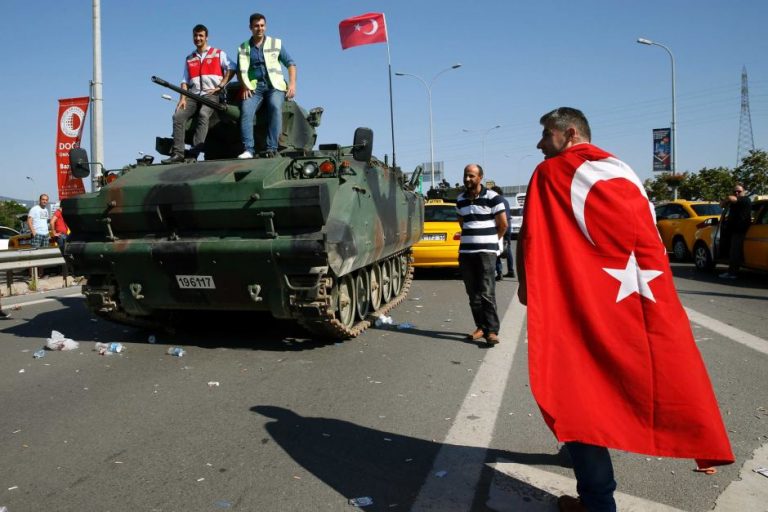
Western pundits spend a great deal of time trying to determine “who lost Turkey.” Ankara’s relations with the West are indeed tense, but there will be no severing of ties or withdrawal from NATO. Ankara is attempting a balancing act in which it diversifies its external ties to include Eurasia rather than remain anchored solely to the West.
“Either we unite or we fight”: kaleidoscopic coalitions and enmities are one of the Middle East’s most distinctive political features, recognized by locals and clear to analysts. This extreme political volatility results from the tribal ethos. Until tribalism dies out, Middle Eastern politics will continue to be characterized by amorality, fluidity, temporariness, inconsistency, and contradiction.
Amid Israel’s profound crisis over the past year, which has entailed a morass of security, social, economic, and ethical problems rooted in a fundamental and unresolvable set of tensions, what is once again needed is a national leadership with a special capacity for synchronized navigation in the Mapai mode of seeking compromise.
Brig.-Gen. (res.) Hasson Hasson’s recent depiction of the threats facing Israel is very disturbing, even if it contains no new revelations. The IDF is undergoing a revolution as it strives to be prepared to handle these threats.
Let’s face it: Israelis aren’t interested in the problem of antisemitism. This is a mistake, as antisemitic views, in their diverse formulations and disguises, continue to influence international attitudes regarding the Jewish State. In Germany, the lumping of antisemitism together with other hatreds has resulted in a form of “antisemitism-lite” that remains as insidious as its earlier incarnations.
Western pundits spend a great deal of time trying to determine “who lost Turkey.” Ankara’s relations with the West are indeed tense, but there will be no severing of ties or withdrawal from NATO. Ankara is attempting a balancing act in which it diversifies its external ties to include Eurasia rather than remain anchored solely to the West.

Accessibility Toolbar