Hamas

From their earliest days, Hezbollah and Hamas have seen immense value in closely monitoring Israel’s media. However, their reliance on open source information has proven a double-edged sword, as both groups have been misled into making poor strategic decisions. Either Hezbollah or Hamas is likely to identify the current crisis in Israel over the new government’s proposed reform of Israel’s judiciary as an opportunity to act against it. They might be surprised, however, by Israel’s response.
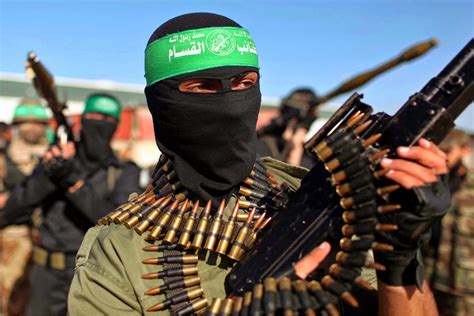
Much like the Oslo illusion, which posited that territorial concessions to the PLO would bring about peace with the Palestinians, the hope that economic easing in the Gaza Strip will moderate Hamas terrorism is a mistaken attempt to apply a Western logic of conflict management to a Palestinian enemy whose definition of the end of the conflict with Israel is not in the West’s political-cultural lexicon.
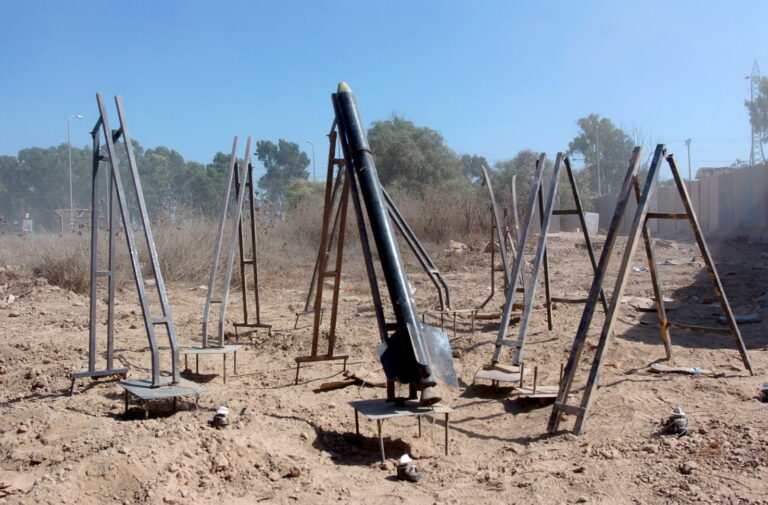
The recent rocket fire from Lebanon into Israeli territory connects with Hamas’s overall strategy of expanding the scope of the confrontation between itself and Israel that sharpened during the war in Gaza in May of this year. It is by no means clear that Israel is equipped to prevent this from becoming a regular event.
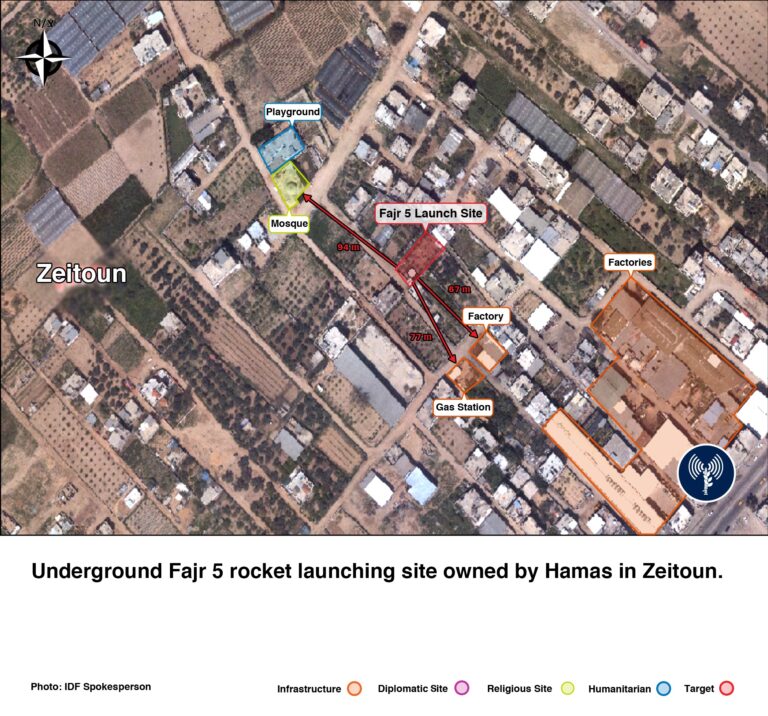
Much of the coverage and commentary surrounding the fighting in May between Hamas and Israel has focused on numbers, especially the much larger number of Palestinians than Israelis killed. The number of deaths is actually very low for such an intense conflict, a testament to Israel’s Iron Dome and civil defense systems, and its use of precision weapons and warnings aimed at minimizing Palestinian civilian deaths. Of course, Hamas aims to kill as many Israeli civilians as possible, but its rockets place both Israelis and Palestinians in peril, because many of those rockets—in this case 680—misfire and explode inside Gaza. The death and destruction caused is, of course, usually blamed on Israel. The question addressed here is how many Palestinians are likely to have been killed by these errant Palestinian rockets in May. The estimate arrived at is 91, amounting to 36% of the alleged Palestinian death toll.
Hamas will always prioritize its radical ideological and political objectives over pragmatic considerations whenever those two factors come into conflict. As Israeli decision makers monitor Hamas’s renewed efforts at force build-up following Operation Guardian of the Walls, they face dilemmas as they look for “least-worst” options.

Accessibility Toolbar