Iran
- Prof. Hillel Frisch
- Paper No. 911
Iran’s hard power in Lebanon is well-known. At its beck and call is the Hezbollah militia, the powerful military force through which it largely controls the Lebanese state. Its soft power, however, is limited to Lebanon’s Shiites, and even among them it is hardly overwhelming.
- Irina Tsukerman
- Paper No. 907
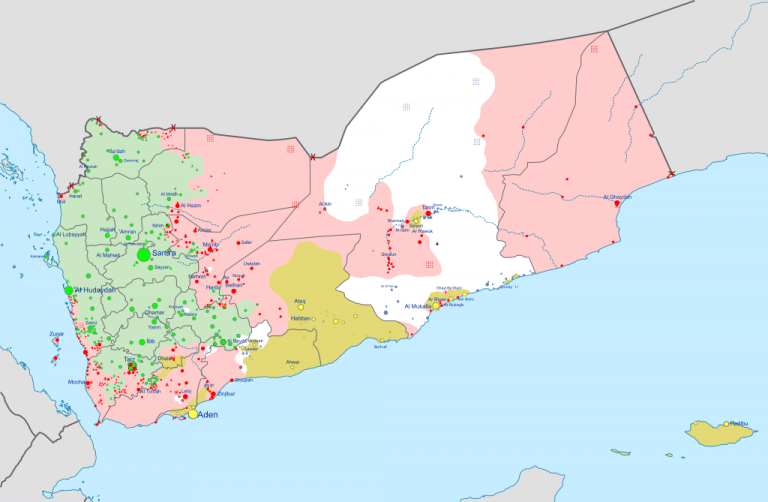
The Arab Coalition in Yemen is facing three internal challenges: differences between Abu Dhabi and Riyadh, Qatari meddling, and recent tensions between Saudi Arabia and Morocco. Despite these complications, new developments show that over the long run there is a likelihood of a strategic response to the stalemate in Yemen and to other Iran-related problems in the form of an upgrading of the scattered and divided Arab Coalition into a formal and organized infrastructure similar to NATO.
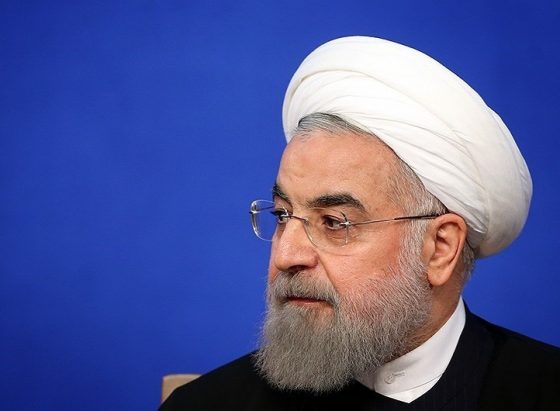
The controversy surrounding the US withdrawal from the 2015 Iran nuclear deal (JCPOA) epitomizes the ongoing debate between two contending approaches on the best way to bring about a positive change in Tehran’s Islamist regime and its policies.
Many, including in Israel, identify the (supposedly) moderate President Hassan Rouhani as the best hope for such a change, warning that the
collapse of the nuclear agreement and the reintroduction of international sanctions will play into the hands of the hardliners and weaken Rouhani and the “reformist camp” more generally.
While intriguing, such views are not only unfounded but detrimental to the efforts to pressure Iran to end its domestic repression and external aggression. For one thing, it is international sanctions, not friendly persuasion, that brought Tehran to the negotiating table in the first place. For another, as shown by the popular protests across Iran since early 2018, sustained economic pressure does not weaken the internal Iranian demand for change but rather reinforces it.
While Rouhani’s rhetoric may well sound more moderate than that of the Supreme Leader Ayatollah Ali Khamenei, his political record, ideological worldview, and actual conduct over the past decades clearly show him to be cut from the same cloth: an unreconstructed revolutionary Islamist. As such, he constitutes a major barrier to real change in both Iran’s domestic situation and its hegemonic foreign policy ambitions.
Worse: due to his seemingly moderate image, Rouhani has succeeded in alleviating international pressure on Tehran at a time when its aggressive activities throughout the region – from terrorism to subversion to military intervention in neighboring states – have only accelerated during his tenure as president.
- Vinay Kaura
- Paper No. 898
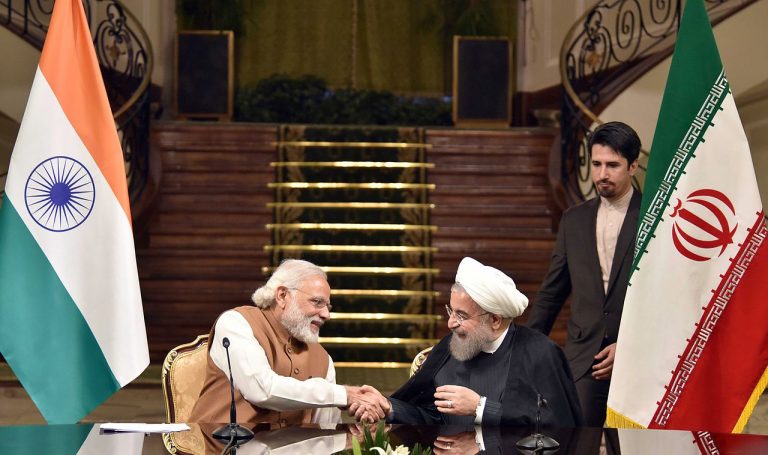
The withdrawal of the US from the Iran nuclear deal is likely to deal a blow to India’s strategic investments in energy-rich Iran and land-locked Afghanistan as the Chinese strategic footprint there grows. Maintaining good relations with both Riyadh and Tehran will also become more challenging for New Delhi. The Iran dilemma materialized at the wrong time for Prime Minister Narendra Modi, as India is preparing for parliamentary elections in less than a year. The pressure being exerted by the Trump administration on the Modi government to stop all oil imports from Tehran is set to complicate India’s diplomatic ties with Iran. It remains to be seen how India will secure its interests in Afghanistan and Central Asia without Iranian support.
- Prof. Hillel Frisch
- Paper No. 896
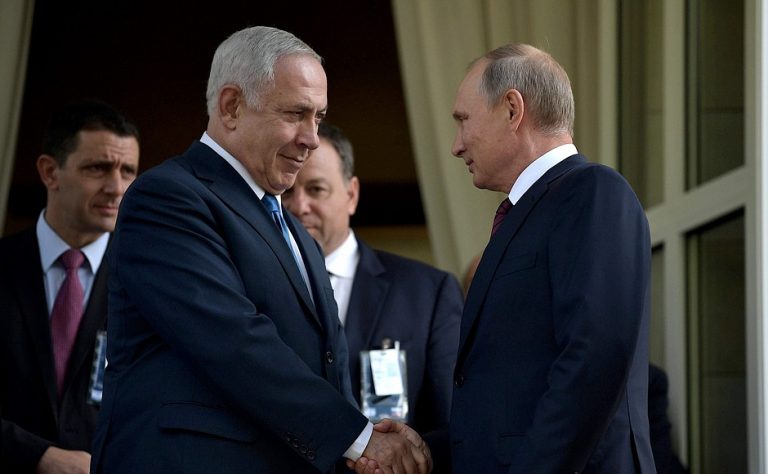
On July 8, Israel allegedly conducted an airstrike in Syrian territory that struck once again at the T4 base near Homs. Interestingly, Israel did not conduct any airstrikes to stop the concurrent advance of Syrian and Hezbollah forces southward. This might suggest that a grand bargain has been offered by Russia to Israel – one in which Moscow assures Jerusalem of an Iranian withdrawal in return for Israel’s acceptance of the consolidation of the Syrian state. This might explain Israel’s passivity, but it is by no means certain that Moscow will prevail on Tehran to withdraw from Syria.
- Prof. Hillel Frisch
- Paper No. 895
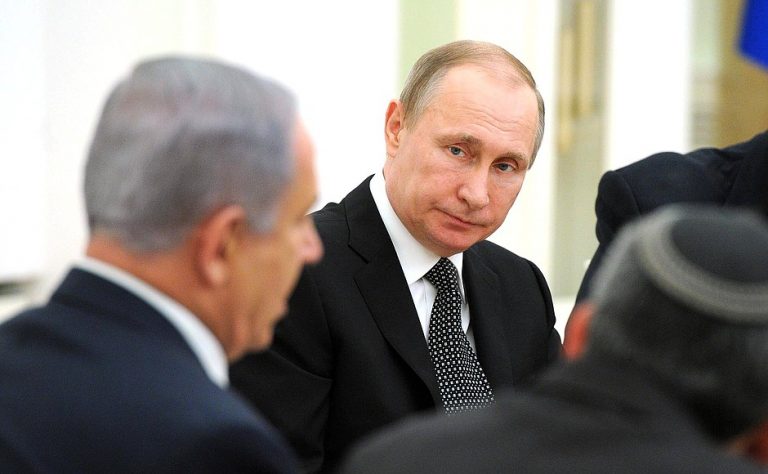
Why has Russia under Putin acknowledged Israel’s need to prevent the buildup of an Iranian military presence in Syria? Putin’s vision is to cement an alliance of minorities against the Sunni majority in the Middle East. Israel could be a valuable participant in making that vision a reality – but only if Moscow works to rid Syria of the Iranian presence, joins forces to topple its Islamist regime, and weans the Alawite regime in Damascus away from Tehran.
- Yaakov Lappin
- Paper No. 892
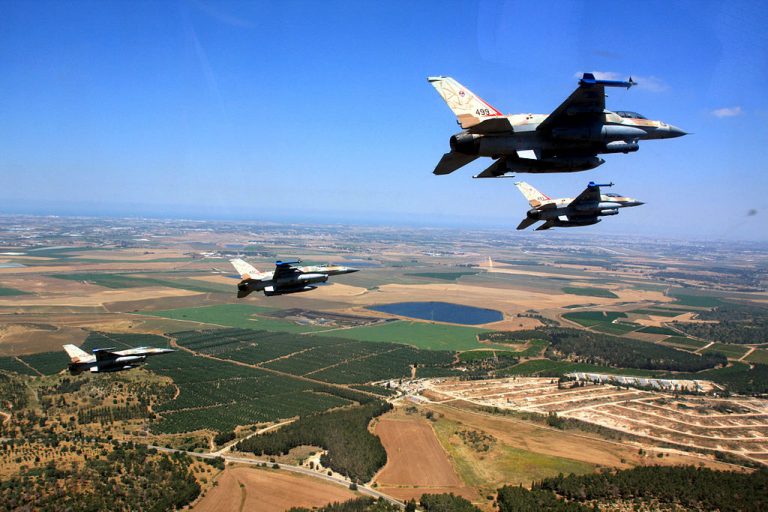
Tehran’s recent decision to attempt direct clashes with Israel resulted in a resounding defeat on May 10, when the IDF destroyed 50 Iranian military targets in Syrian territory. Iran is now shifting gears back to its traditional proxy approach. While it appears reluctant to mobilize Hezbollah against Israel right now and risk a full-scale regional war, it is continuing to work on securing a military position in Syria to use for future aggression. Israel must maintain its flexibility and responsiveness in order to prevent the creation of a second Iranian mass missile front on the border.
- Lt. Col. (res.) Dr. Dany Shoham
- Paper No. 887
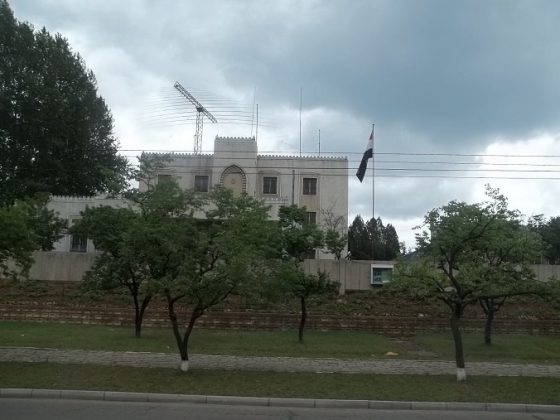
The summit that took place in Singapore in June 2018 between President Trump and North Korean leader Kim Jong-un likely had a significant impact on the Pyongyang-Tehran nexus. Given the depth of strategic cooperation between the two countries, Iran can be expected to take steps to minimize any challenges that will be posed to that cooperation, either directly or indirectly, by the tentatively developing Pyongyang-Washington relationship.
- Prof. Hillel Frisch
- Paper No. 884
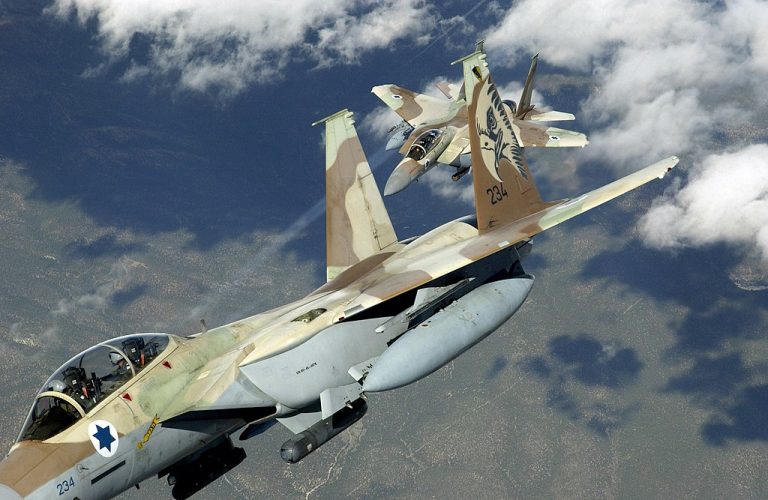
Israel must halt the reconsolidation of the Syrian regime, especially in the country’s south. Russia helped to bolster the regime through airpower. In response to the resulting and growing threat, Israel must now unleash the might of the IAF.