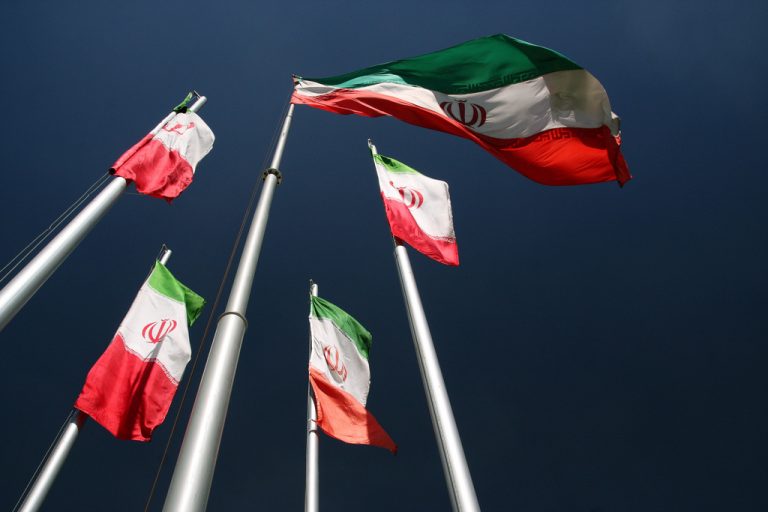
Iran

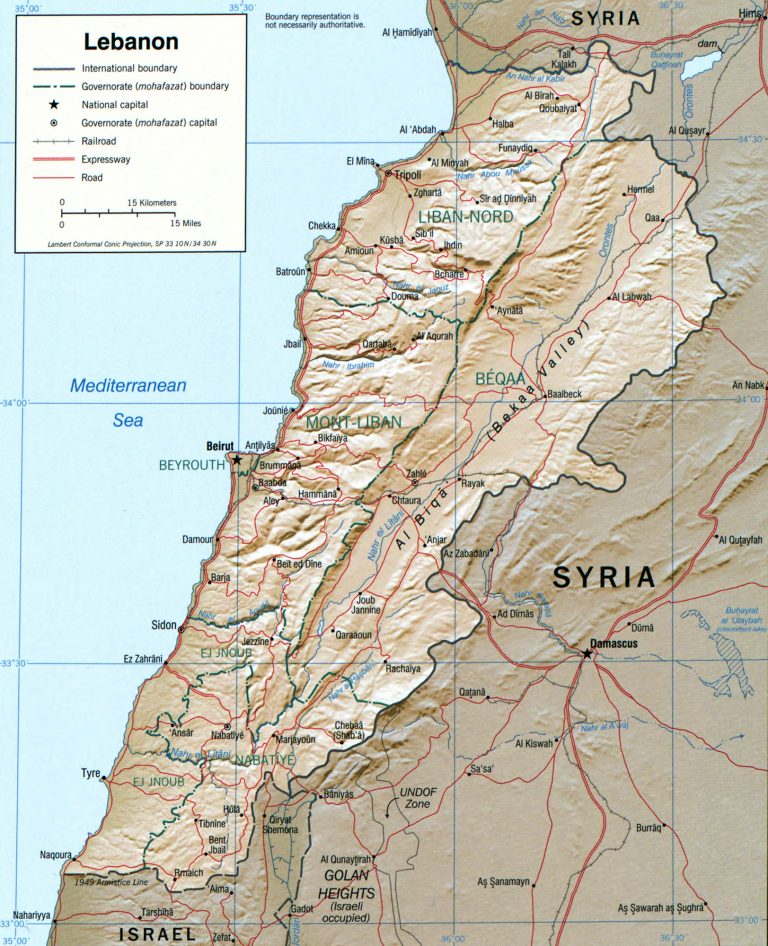
By strengthening cooperation behind the scenes, Saudi Arabia and Israel can take significant advantage of the political crisis in Lebanon and the regional developments that may result from it. Riyadh and Jerusalem should do their best to cooperate vis-à-vis the superpowers involved in Syria and Iraq, especially the US, as they attempt to shift the strategic balance towards their aligning interests.
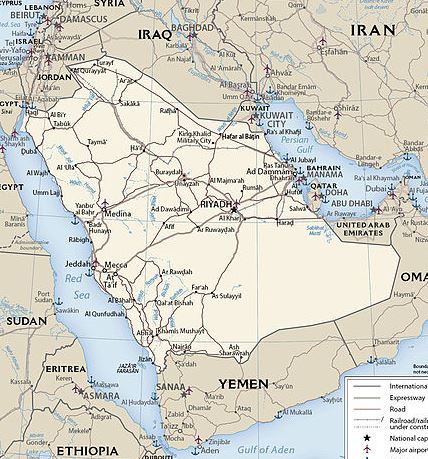
Since the onset of the so-called "Arab Spring" in 2011, there has been a continuous upheaval in Yemen, which has escalated into full scale civil war between the Houthis (a Shiite political-religious movement), supported by Iran, and the internationally recognized Government of Yemen, supported by Saudi Arabia. The recent missile attack on Riyadh's International Airport, which originated in Yemen and triggered a Saudi-Lebanese confrontation, is the fourth such attack this year. The Yemeni civil war has received scant attention in Israel, but its outcome could significantly affect Israel's national security and the stability of the Middle East.

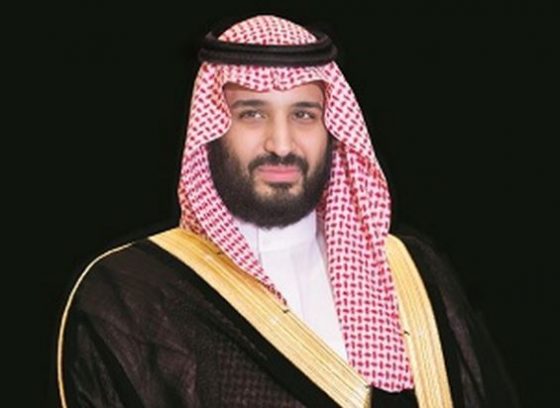
Saudi Crown Prince Muhammad bin Salman knows he has to transform the state into a war machine if the kingdom is to survive the Iranian onslaught. To do that, he has to amass power by removing the system of checks and balances of rival princely factions and tribal affiliations as well as a security system that is weakened by both. The question is whether he will be able to avoid the fate of the Shah, who transformed Iran into a regional power but fell victim to wall-to-wall opposition bred by his concentration of power.
A series of incidents involving Iranian ethnic and religious minorities raises the specter of the US and Saudi Arabia seeking to destabilize the Islamic Republic. Indications are that Iran has no intention of sitting back passively in the face of this threat. Beyond its support for Syrian President Bashar al-Assad, the Lebanese Shiite militia Hezbollah, and Shiite militias in Iraq, Tehran may be strengthening its relations with the Taliban in Afghanistan.
There may be a silver, if risky, lining for Kurdish nationalists in their devastating loss of Kirkuk and other cities on the periphery of their semi-autonomous region as they lick their wounds and vent anger over the deep-seated internal divisions that facilitated the Iranian-backed Iraqi blitzkrieg. Mounting popular anger coupled with US Congressional fury could position the Kurds as a key player in potential US efforts to roll back Iranian influence in Iraq and counter the Islamic Republic as part of President Donald J. Trump’s tougher approach towards Tehran.
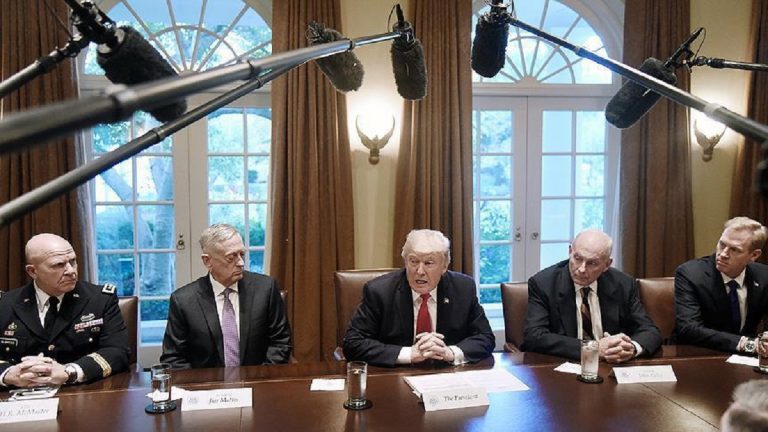
In his recent visit to Washington and speech to the UN, Israeli Prime Minister Benjamin Netanyahu focused his diplomatic efforts on the Iranian threat. Meanwhile, as President Trump looks for a breakthrough on the Palestinian issue, a linkage – tacitly if not explicitly expressed – has again been created between the White House’s support for Israel’s demands in the Iranian-Syrian arena and what is required of Israel in the Palestinian arena. This linkage is dangerous for Israel.

Accessibility Toolbar