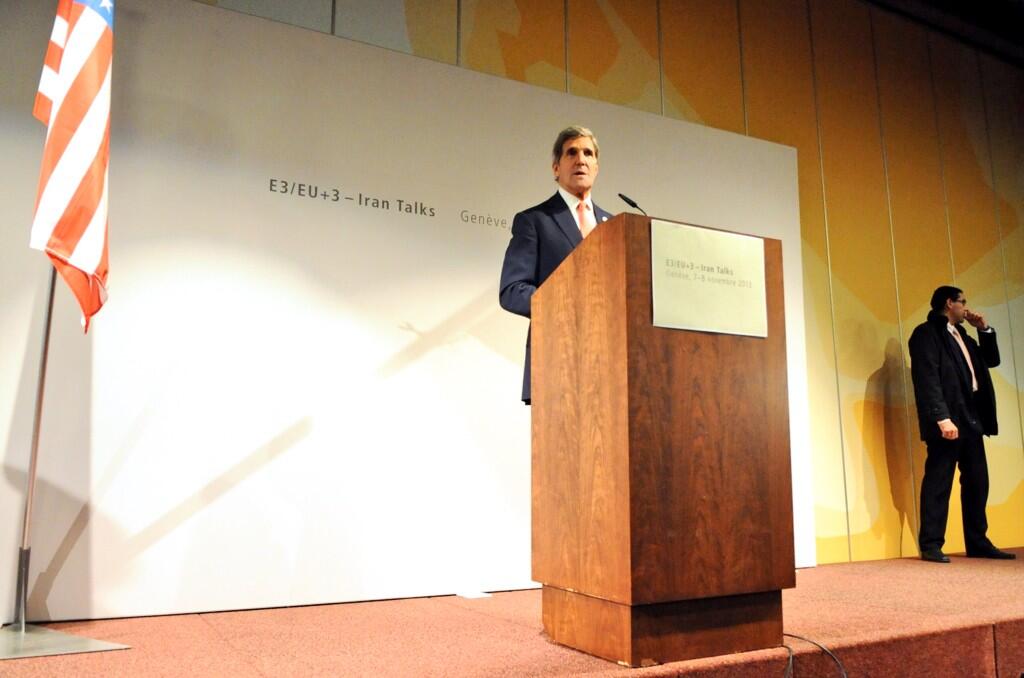
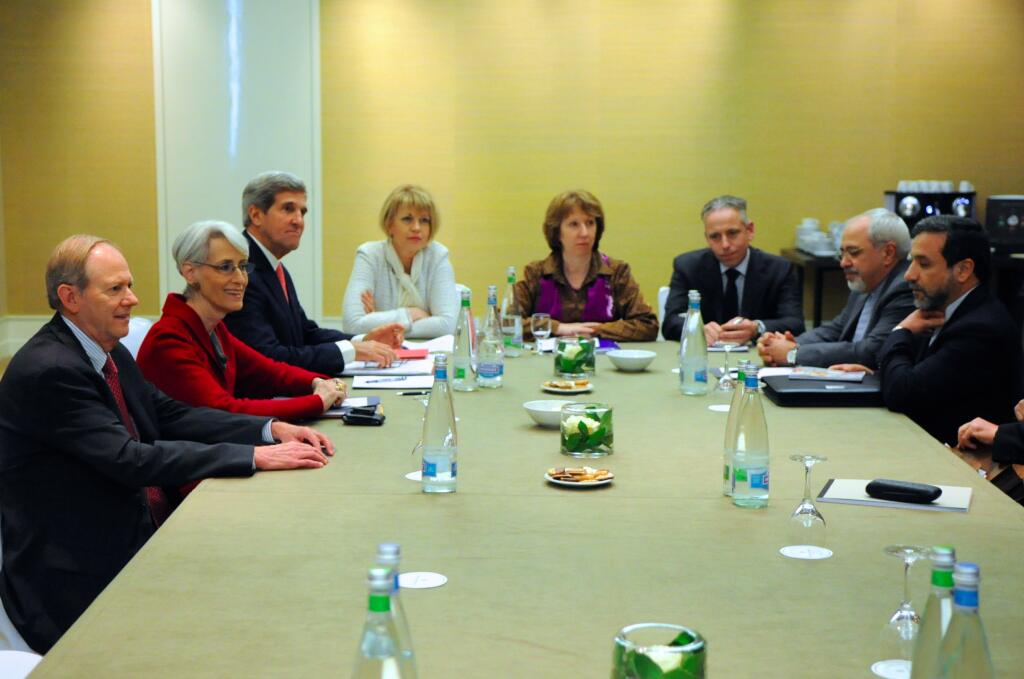
The interim accord reached in Geneva regarding Iran’s nuclear program is a bad deal that enshrines Iran’s status as a nuclear threshold state and paves Tehran’s path towards a nuclear bomb.
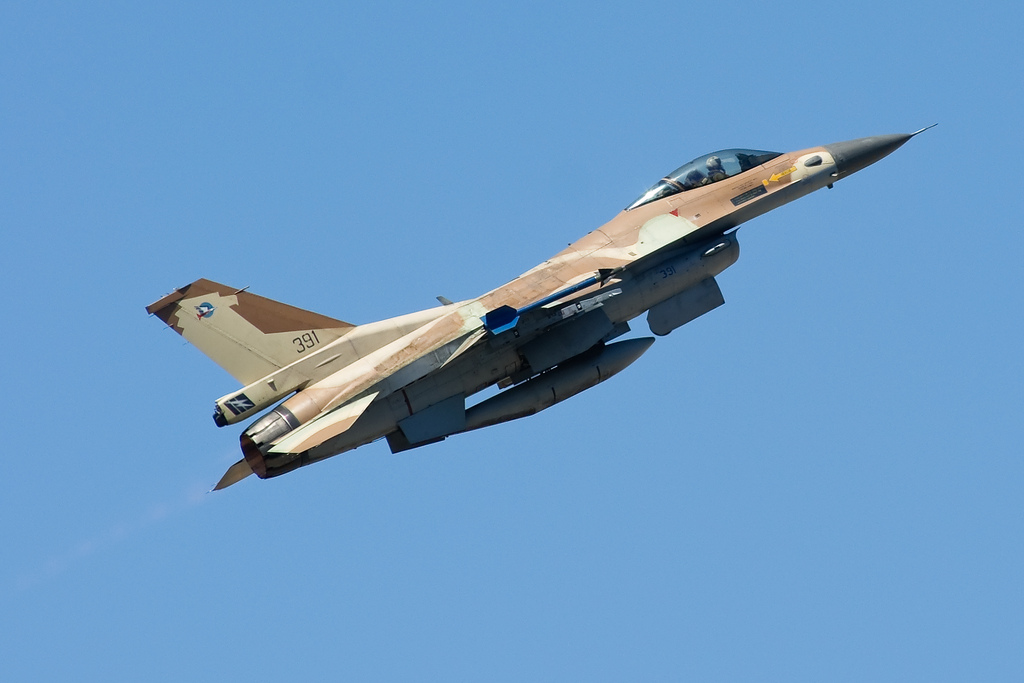
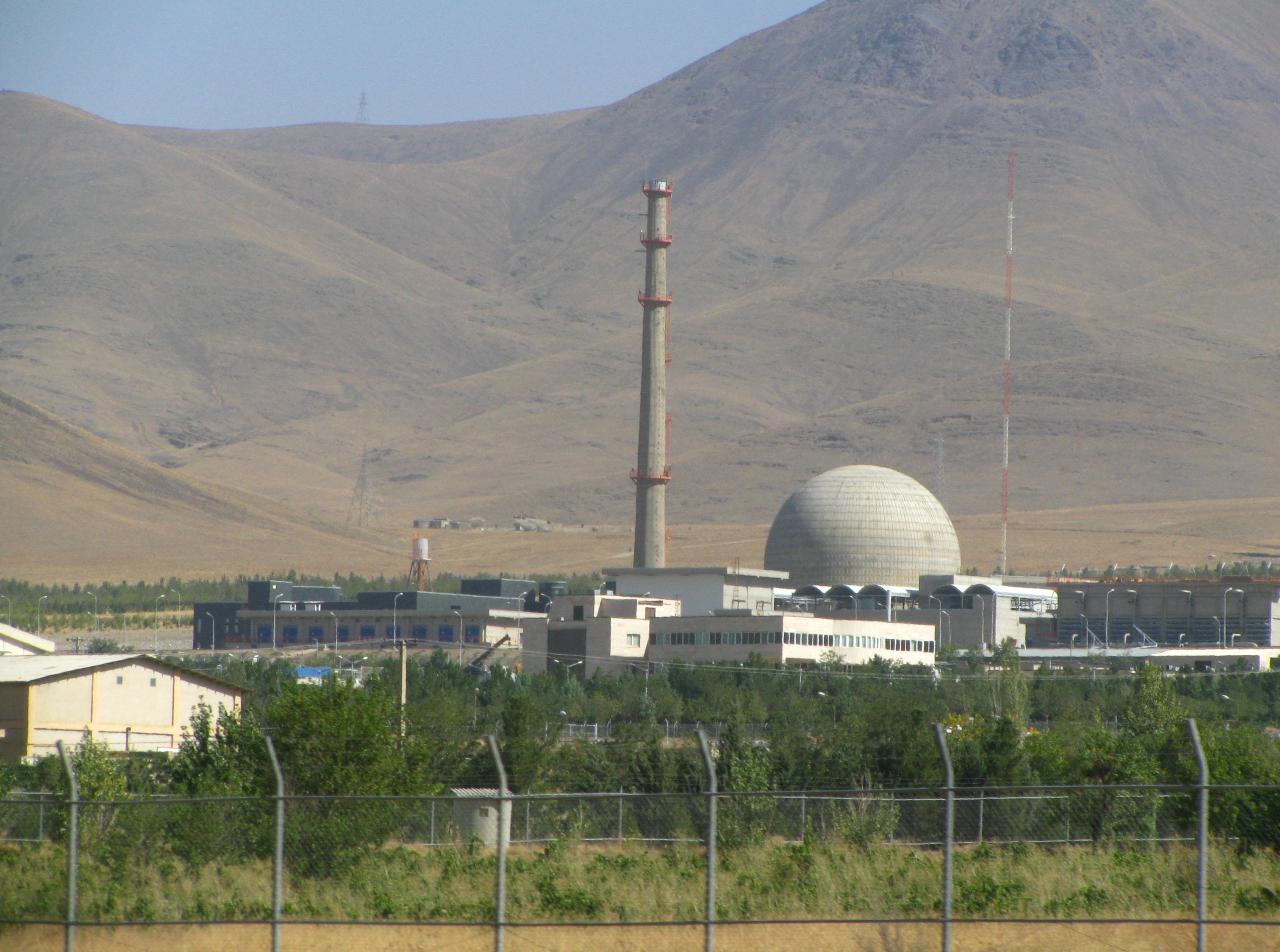
An Israeli strike on Iran’s nuclear infrastructure is a risky and militarily-complicated endeavor, but within reach. Israeli ingenuity and determination could lead to a great operational and political success.
The IDF and the Iran-Hizballah axis are in the midst of a long-term military build-up, preparing for the possibility of a full-scale eruption of the ongoing covert struggle between them.
The West was arrogant thinking it could transform Iraq into a stable democracy in 2003. Believing that Iran can be dissuaded from its course without the credible threat of military strikes is an even greater show of hubris.
The Iranian regime can be considered rational, but it cannot be trusted with nuclear weapons. History has proven that radical regimes can seek the destruction of others if faced with an immense threat. Israel cannot rely on deterrence and must be prepared to confront Iran militarily or invest in ballistic missile defense.
Iran is just buying time until it has a nuclear break-out capability and the ability to threaten world security. The US must act militarily to stop Iran and restore its international credibility.
The West is headed towards an agreement with Iran, who will not produce nuclear weapons but further enrich uranium and plutonium. However, it is possible that Iran will be able to produce several bombs, too quickly to be stopped.
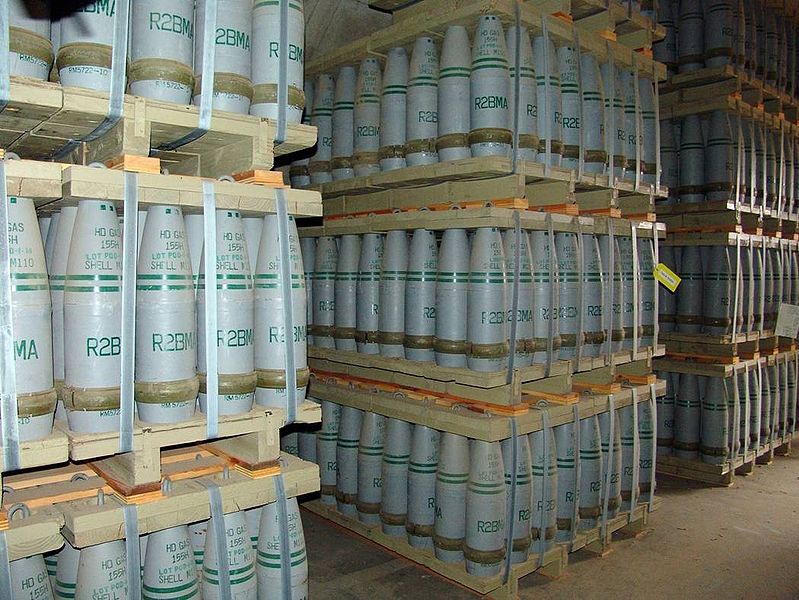
Disarming Syria's chemical arsenal will be a big challenge. The US-Russia timetable seems too condensed, even if good will is assumed. Syria possesses a huge chemical weapons arsenal, and is likely to further develop biological weapons, which the US-Russia accord does not discuss.

Lost in the debate over Iran is the possibility that Iran is a rational actor that cannot be deterred. Iranian leaders may strike Israel with nuclear weapons if they feel they have nothing to lose.