PSCRP

Diplomatic Blow in the Wrong Direction? Gideon Sa’ar’s Initiative for Israel to Recognize the Armenian Genocide

On Thursday, June 25, 2026, an unusual diplomatic development attracted the attention of both the Israeli public and international observers. On that day, Israeli Foreign Minister Gideon Sa'ar announced on his official X account that he intended to submit, at the next cabinet meeting, a draft resolution calling for Israel's official recognition of the genocide committed against the Armenian people by the Ottoman Empire during the final years of the First World War. Three days later, the resolution—which, according to the foreign minister, represents "a moral and historical obligation" of the Jewish state and also condemns "the denial, minimization, or distortion of historical truth"—was unanimously approved by the government. The next step, it was announced, will be a vote in the Knesset.
Read More
Geo Energy Program, Homepage

<a href="https://besacenter.org/israeli-gas-exports-to-syria-the-dilemma-of-formalizing-direct-gas-cooperation/" title="Israeli Gas Exports to Syria:
The Dilemma of Formalizing Direct Gas Cooperation" rel="bookmark">Israeli Gas Exports to Syria:
The Dilemma of Formalizing Direct Gas Cooperation

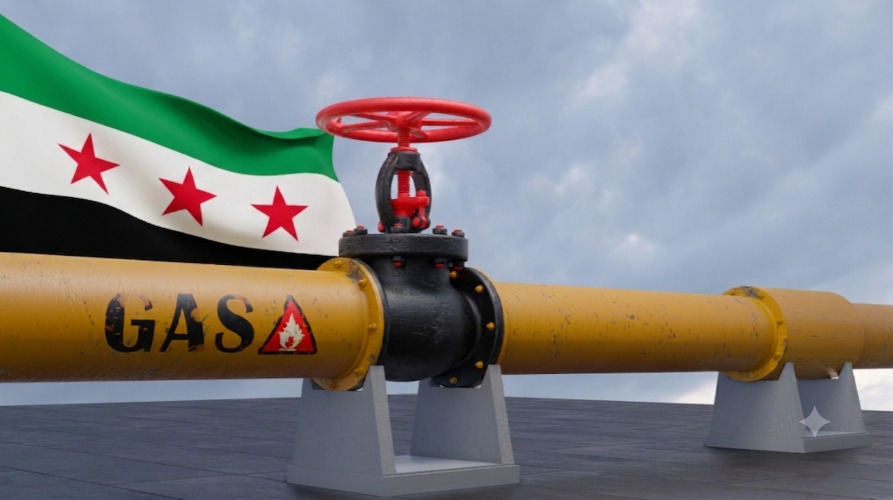
Israeli gas exports to Syria are already a reality, but they are conducted indirectly, through swap deals and resale arrangements with Jordan and Egypt rather than through a formal Israel-Syria contract. This creates a strategic dilemma for both sides. On the one hand, a direct Israel-Syria gas contract could provide clearer accountability, stronger safeguards against disruptions, and a basis for future energy cooperation that may include Lebanon as well. On the other hand, direct gas trade could be politically premature and expose both sides to domestic criticism: in Israel, because of concerns over dwindling domestic gas reserves after the large export agreement with Egypt in 2025; and in Syria, because of fears that Israel could politicize gas supply or use it as leverage. Indirect contracts through Jordan and Egypt may be easier to implement and deny, but they also blur responsibility and reduce both sides’ control over supply conditions. Israel should approach this question not as a binary choice between formal normalization and continued ambiguity but as a practical debate over which contracting model best serves stability, leverage, deniability, and long-term regional integration.
Read More
PSCRP

Ukraine In The Fifth Year Of The War: Social Challenges

Since March 2022 through November 2025, I visited Ukraine many times. Combined with maintaining constant contact with people living there and regularly following the Ukrainian media, this has enabled me to form my own understanding of a country that has, over the past several years, become Europe's true shield.
Read More
Homepage, Perspectives Papers

Creating Israel’s National Security Strategy: The Nuclear Dimension

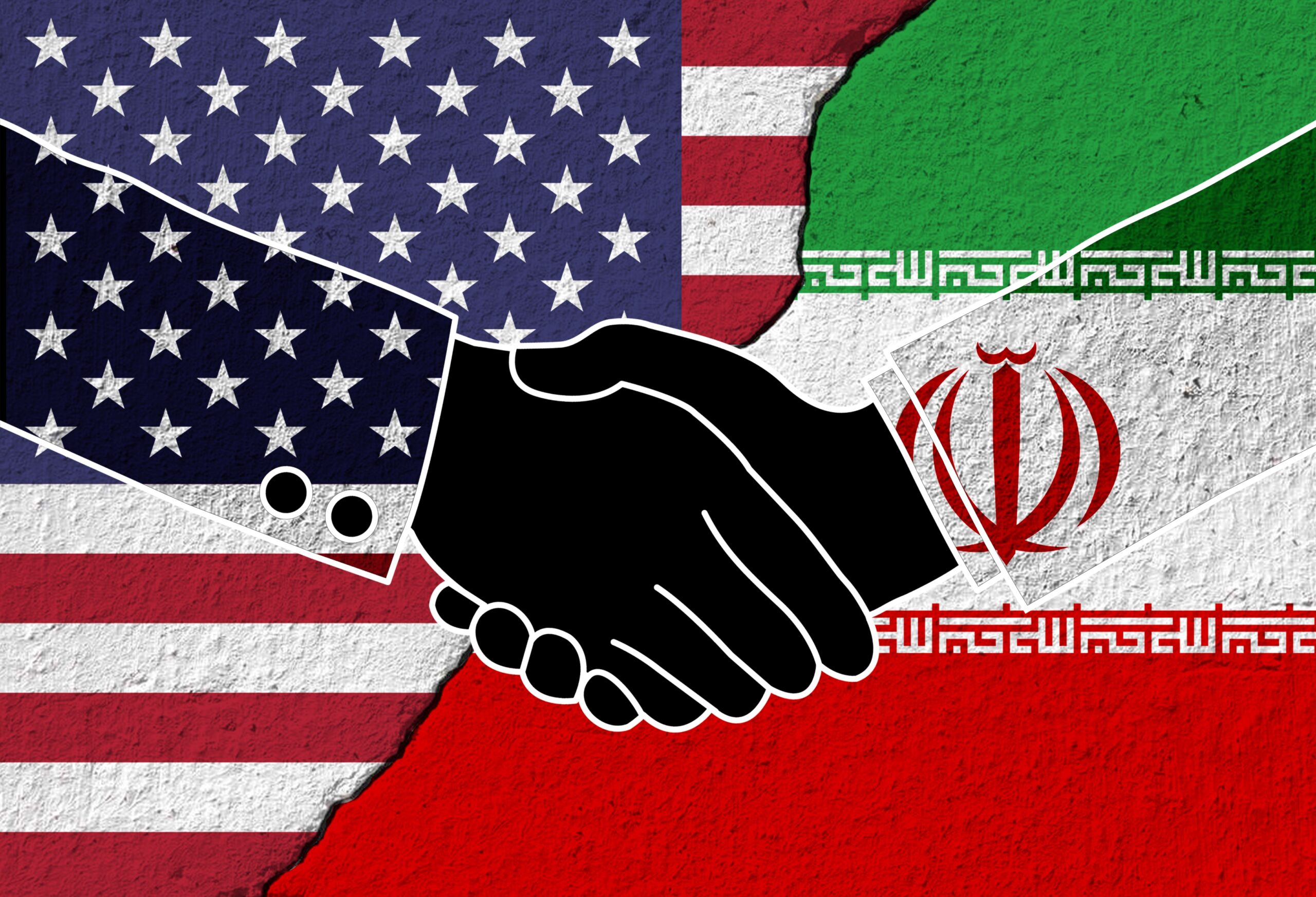
Any new Israeli government is now legally required to prepare a codified national security strategy within 150 days of its official formation. Though nuclear doctrine and strategy will likely be limited to the highest security-level classifications, nothing could have greater existential impact for Israel. Moreover, at a time when the principal threats to Israel are coming from a still pre-nuclear Iran and certain sub-state proxies, the National Security Council will have to consider wider and more explicit applications of nuclear deterrence. Israel’s decision-makers will need to undertake incremental but prompt shifts from “deliberate nuclear ambiguity” to “selective nuclear disclosure.” Otherwise, Jerusalem will have to accept a strategic reality in which Iran and other adversaries continuously threaten Israel with non-nuclear but high-lethality ballistic missiles and/or chemical-biological (CBW) ordnance – an unsustainable reality of interminable war.
Read More
PSCRP

Monthly Monitoring of Analytical Publications on Post-Soviet Conflicts

Perhaps for the first time since our monitoring program began, we encountered a situation where two publications, both worthy of the quality of their research and scientific integrity, were not included in our review. This is because the authors chose the topic of these materials to add fuel to the fire of a specific conflict in the post-Soviet space.
Read More
PSCRP

Architects of Interdependence: Navigating the Convergence of Indo-Mediterranean and Trans-Caspian Corridors

The architecture of Eurasian connectivity is currently undergoing a fundamental transformation, driven by the systemic destabilization of traditional trade routes. As sanctions and geopolitical risks render the Northern and Southern corridors increasingly unreliable, the Middle Corridor is probably evolving from a supplementary diversification tool into an indispensable land artery linking the markets of the East and West. Furthermore, the potential integration of the Middle Corridor with the Indo-Israeli "Spice Route" creates a new "Eurasian arc of connectivity".
Read More
PSCRP

Diplomatic Blow in the Wrong Direction? Gideon Sa’ar’s Initiative for Israel to Recognize the Armenian Genocide

On Thursday, June 25, 2026, an unusual diplomatic development attracted the attention of both the Israeli public and international observers. On that day, Israeli Foreign Minister Gideon Sa'ar announced on his official X account that he intended to submit, at the next cabinet meeting, a draft resolution calling for Israel's official recognition of the genocide committed against the Armenian people by the Ottoman Empire during the final years of the First World War. Three days later, the resolution—which, according to the foreign minister, represents "a moral and historical obligation" of the Jewish state and also condemns "the denial, minimization, or distortion of historical truth"—was unanimously approved by the government. The next step, it was announced, will be a vote in the Knesset.
Read More
Geo Energy Program, Homepage

<a href="https://besacenter.org/israeli-gas-exports-to-syria-the-dilemma-of-formalizing-direct-gas-cooperation/" title="Israeli Gas Exports to Syria:
The Dilemma of Formalizing Direct Gas Cooperation" rel="bookmark">Israeli Gas Exports to Syria:
The Dilemma of Formalizing Direct Gas Cooperation

Homepage, Perspectives Papers

Creating Israel’s National Security Strategy: The Nuclear Dimension

Any new Israeli government is now legally required to prepare a codified national security strategy within 150 days of its official formation. Though nuclear doctrine and strategy will likely be limited to the highest security-level classifications, nothing could have greater existential impact for Israel. Moreover, at a time when the principal threats to Israel are coming from a still pre-nuclear Iran and certain sub-state proxies, the National Security Council will have to consider wider and more explicit applications of nuclear deterrence. Israel’s decision-makers will need to undertake incremental but prompt shifts from “deliberate nuclear ambiguity” to “selective nuclear disclosure.” Otherwise, Jerusalem will have to accept a strategic reality in which Iran and other adversaries continuously threaten Israel with non-nuclear but high-lethality ballistic missiles and/or chemical-biological (CBW) ordnance – an unsustainable reality of interminable war.
Read More

Accessibility Toolbar