PSCRP

Monitoring (AI generated)
Just as in the previous issue of our monitoring, readers saw many studies of Central Asia, the April issue contains a significant amount of material on the western flank of the post-Soviet space. As with last month, this wasn't some kind of editorial tactic—it's clear that sometimes coincidences drive the logic of a piece more powerfully than the intended message.
War in Iran (AI generated)
At the time this article was written, it was still unclear whether the White House intended to resume large-scale strikes on the infrastructure of the Islamic Republic of Iran — or whether it would heed the recommendations of the leadership of Pakistan, Qatar, and the UAE to continue negotiations with Tehran. It is clear that, in the event of a military decision, Israel would also join the United States — its leadership is unlikely to take such a step without a “green light” from Washington. For now, however, there appears to be no consensus on this issue within the U.S. president’s team.
Russia against Armenia (AI generated)
With Armenian parliamentary elections set for June 7, Moscow has activated an unusually wide operational spectrum against Yerevan — ranging from clerical intelligence assets and a resident SVR station to a paid foreign lobbyist reportedly financed by Russian-based oligarchs and, most recently, a filmed death threat against Prime Minister Nikol Pashinyan. What looks, in isolation, like a series of domestic political pressures is, on closer inspection, a coordinated effort to replace a pro-Western government with one more amenable to Moscow’s preferences in the South Caucasus.
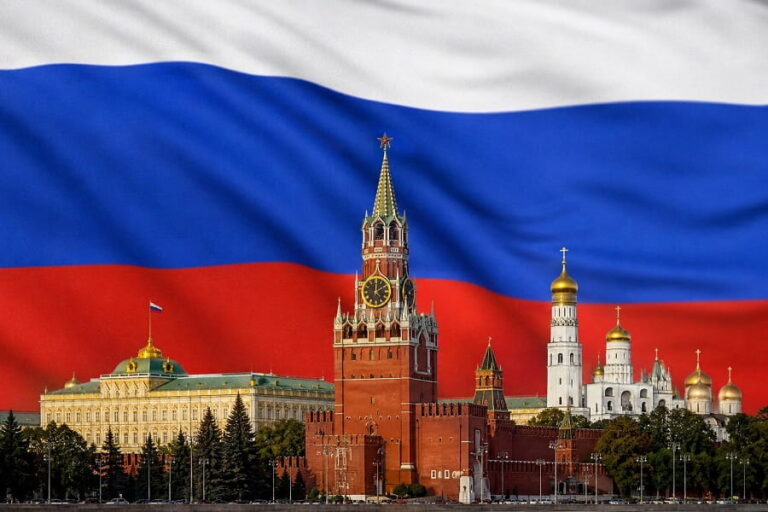
Kremlin Russia (AI generated)
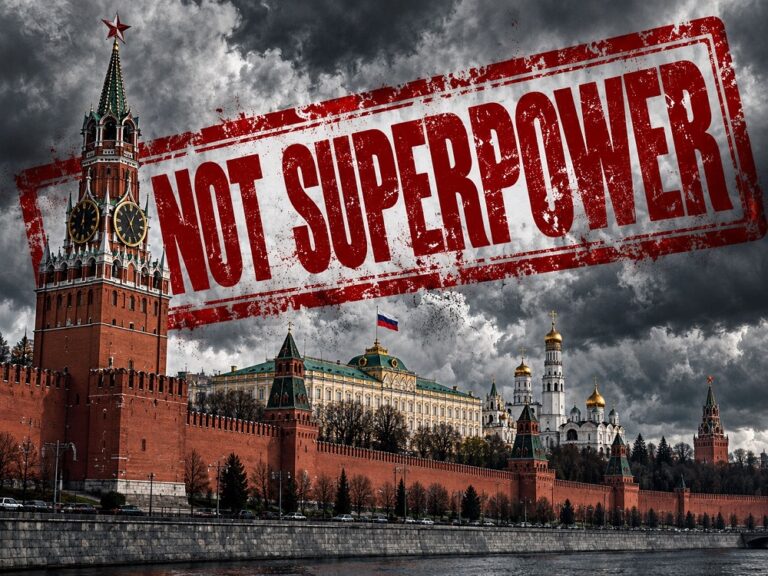
Russia’s autumn 2026 elections cannot be characterized as routine. In many respects, they will constitute a plebiscite on the very survival of the “systemic opposition” model - a model that has endured without fundamental change for two decades. Even the Kremlin’s opponents do not dispute United Russia’s commanding electoral advantage. What remains in question is the architecture of the internal-systemic opposition to the party of power - an architecture that, by all indications, will look markedly different from the present one.
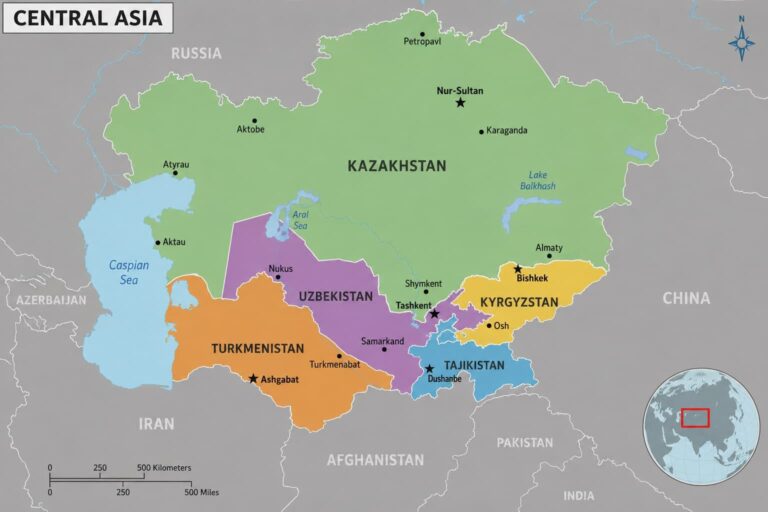
Central Asia (AI Generated)
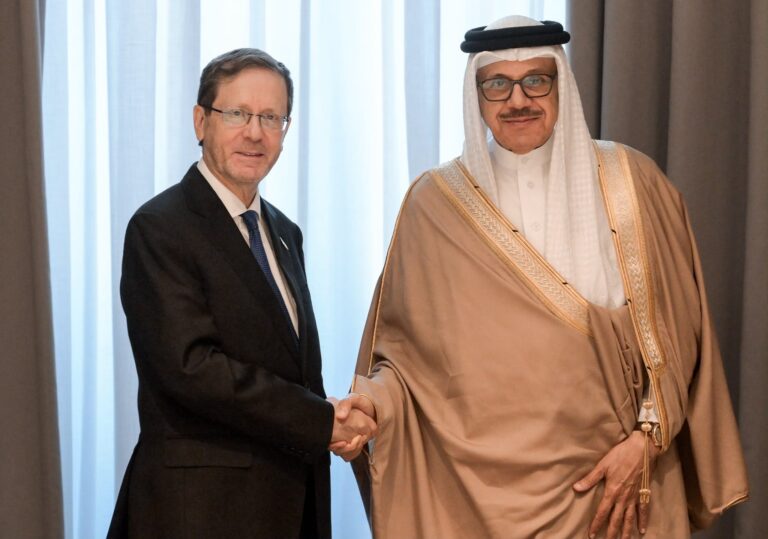
For Israel, the Trump administration’s shift in Central Asia toward business-oriented initiatives and transactional diplomacy may prove broadly advantageous. Israel itself has pursued a comparable approach in the region. At present, Central Asian states are actively seeking to expand economic and diplomatic engagement with Israel. In this context, the administration’s operational style in the region can be seen as largely compatible with Israeli approaches.
Armenian Apostolic Church
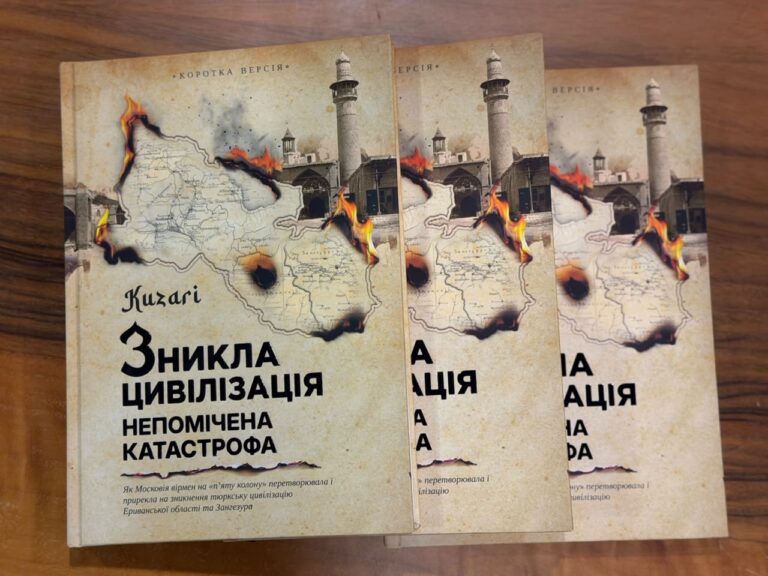
Analytical and academic sources agree that the conflict between the Armenian civil authorities and the Armenian Apostolic Church is multifaceted and cannot be reduced to a purely religious, political, or foreign policy dimension. Research centers estimate that the task of developing a sustainable model of church-state relations in Armenia will remain one of the central challenges for the Armenian political system, at least in the medium term—especially against the backdrop of ongoing foreign policy reorientation, post-war trauma, and preparations for the June 2026 parliamentary elections.
USSR old map (AI generated)
The dissolution of the Soviet Union was preceded by a promise, implicit in the logic of market transition, that integration into the global economy would deliver prosperity. For some successor states, that promise was kept. For others, it has not been kept to this day.
Monitoring (AI generated)
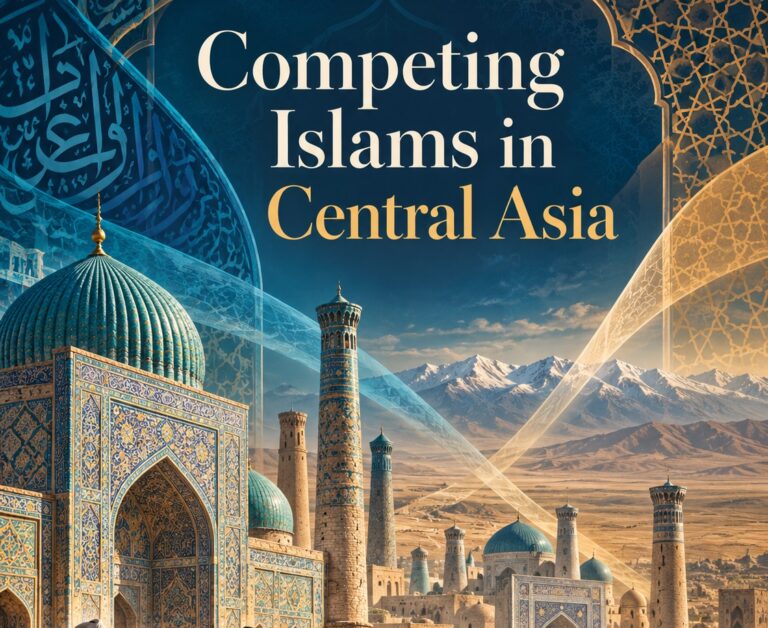
Our monitoring of March's academic publications, which touched on the post-Soviet space in one context or another, unexpectedly focused on the Central Asian region. This wasn't the editor's choice; it's simply that interest in this part of the post-Soviet space is growing exponentially among researchers worldwide. In our view, each of the five works we present to our readers deserves not only a place in the monitoring, but also a thoughtful reading. 

Accessibility Toolbar