PSCRP

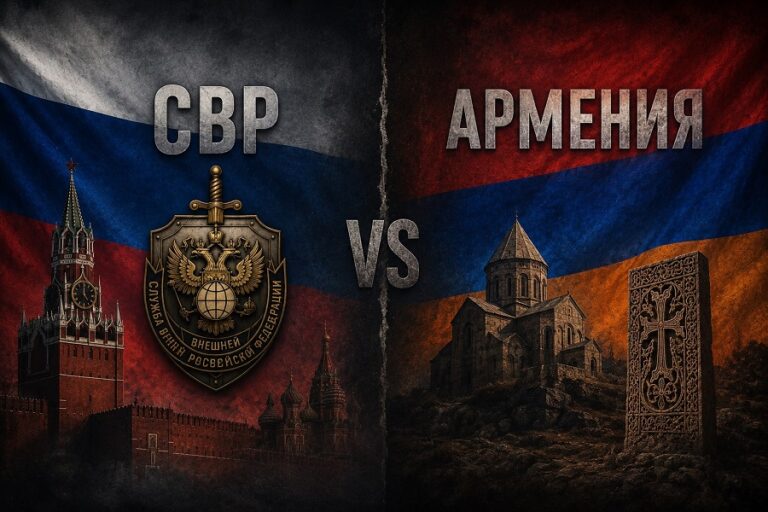
AI generated illustration
The revival of the Israelโ€“Greeceโ€“Cyprus partnership reflects a broader realignment in the Eastern Mediterranean driven by Turkeyโ€™s expanding military posture, competition over energy routes, and debates on Gazaโ€™s postwar future. These dynamics are embedded in larger connectivity projects such as IMEC and the Middle Corridor, while provoking sharp resistance from Ankara. Russiaโ€™s increasingly ambivalent stance suggests diminishing readiness to back Turkish ambitions as its own priorities shift toward Ukraine, Central Asia, and pragmatic engagement with Washington.
AI generated illustration (Grok)
A single visit by an Armenian deputy foreign minister to Israel was enough to trigger sharp anxiety in Tehran, revealing how sensitive Armeniaโ€™s foreign policy choices have become for Iranโ€™s regional security calculations. Fears of the Zangezur (โ€œTrumpโ€) Corridor, Israeli influence on Iranโ€™s northern border, and strategic encirclement have pushed Tehran to apply open pressureโ€”forcing Yerevan into visible rhetorical retreat and renewed declarations of loyalty
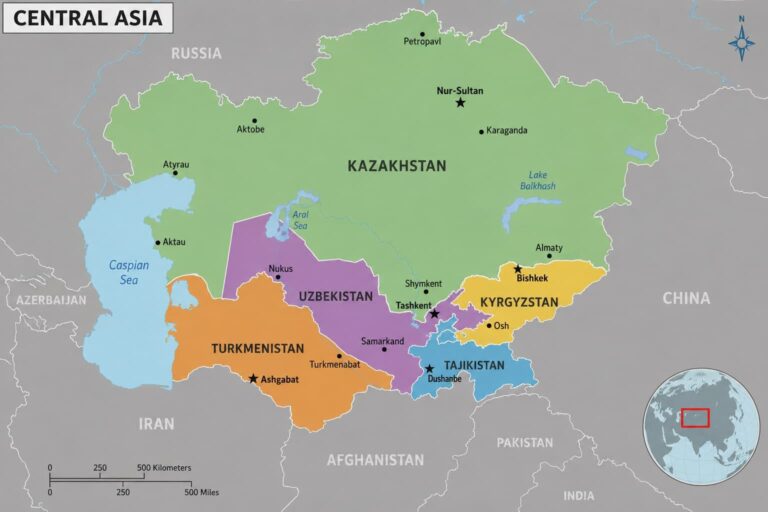
AI illustration
Poland has unexpectedly become a key space of encounter between local Jewish life and thousands of Jews from Ukraine and other post-Soviet countries displaced by war and political repression. Based on first-hand observations and direct work with refugees, the text reveals hidden tensions, linguistic dynamics, and institutional blind spots that shape everyday Jewish existence in contemporary Poland. It also raises a provocative question: why does a country with such a large aliyah potential remain on the margins of Israelโ€™s repatriation priorities?
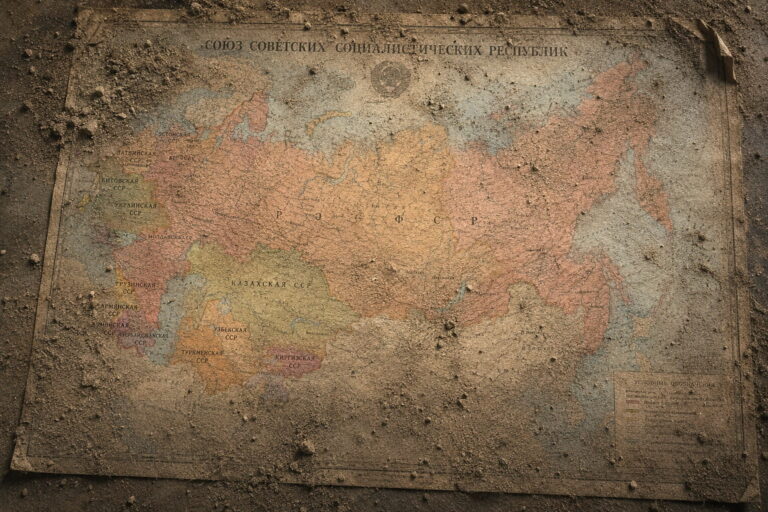
Monitoring (AI generated)
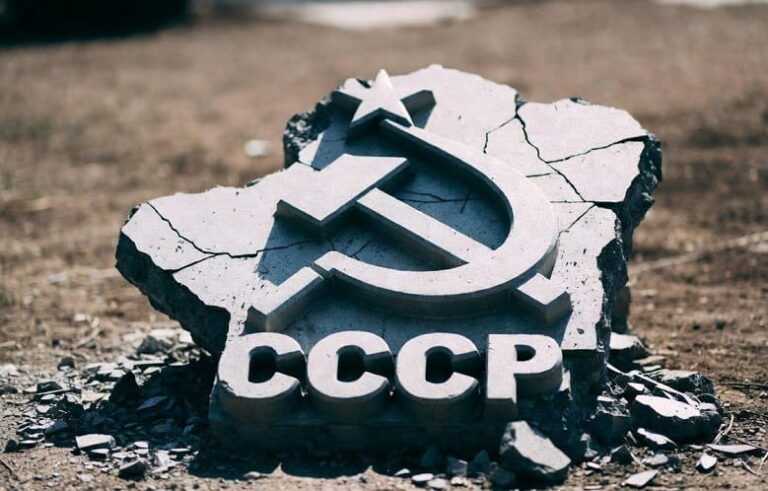
Selecting an overarching frame for the academic works we chose for the December issue of our monitoring bulletin, we noticed that all of them, in one way or another, touch upon the civilizational influence of the Soviet Unionโ€”an influence that has not ended even today, 34 years after the USSR ceased to exist, in December. The post-Soviet spaceโ€”and, more broadly, the post-Soviet perimeter of geopolitical influenceโ€”is not merely a historical shorthand for the past. It remains an operative category, a geopolitical reality todayโ€”already, in just a few days, in the second quarter of the twenty-first century.
This paper explores how the 2025 U.S. National Security Strategy reframes American thinking on power, sovereignty, and conflict management in the post-Soviet space. Focusing on the practical logic embedded in the Strategy rather than its declarative language, it traces how a shift toward pragmatism, selective engagement, and economic priorities alters the environment in which regional conflicts unfold. The analysis invites the reader to reconsider familiar post-Soviet crises through a new strategic lens that emphasizes interests, leverage, and deal-making over ideology and institutional norms.
Antisemitic caricature (AI generated)
"Instrumentalization of antisemitism,โ€ which means using this topic in isolation from real problems for political purposes, primarily to discredit opponents, has been used repeatedly in the post-Soviet space. Thus, since Russiaโ€™s succession and appending of the Ukrainian Crimea peninsula and active military and diplomatic involvement on the side of Eastern Ukraine separatists against the Ukrainian pro-European regime in 2014 and till now, both Kyiv and Moscow have viewed the Jewish world as a positive asset for the achievement of their immediate and strategic goals.

Accessibility Toolbar