Perspectives Papers

Perspectives Papers provide analysis from BESA Center research associates and other outside experts on the most important issues pertaining to Israel and the Middle East.

View Archive

Israel's national security doctrine collapsed on October 7, and the way in which the Swords of Iron War is being conducted is fundamentally changing its components. After the war is over, an in-depth review of the doctrine will be required. Fundamental questions will need to be discussed, such as: Is Israel giving too much weight to the Iranian threat? What is the basis of the national approach to the Palestinian issue? What is the right balance between independence and dependence on the United States? And is Israel a country that manages risk or actively shapes its environment? The main issue may be a return to the concept of preventive war and creation of a clear ranking between the core components of the doctrine – deterrence and decisive outcome – and the other components. It might be helpful to make these discussions part of binding legislation in which, for example, any new government would have to approve its National Security Strategy in the Knesset.
On the morning of October 7, 2023, the strategic Israeli security concept collapsed, marking the end of the 30-year era since the Oslo Accords. With the shocking force of an earthquake, a cultural concept that had its roots planted in the dream of peace, and in the illusion that the State of Israel could aspire to become a kind of Denmark, disintegrated completely. For Israel to achieve victory in the war with Hamas, it will have to adapt its security concept to reflect a new and deeper understanding of the enemy’s perception of the nature of its struggle with Israel.
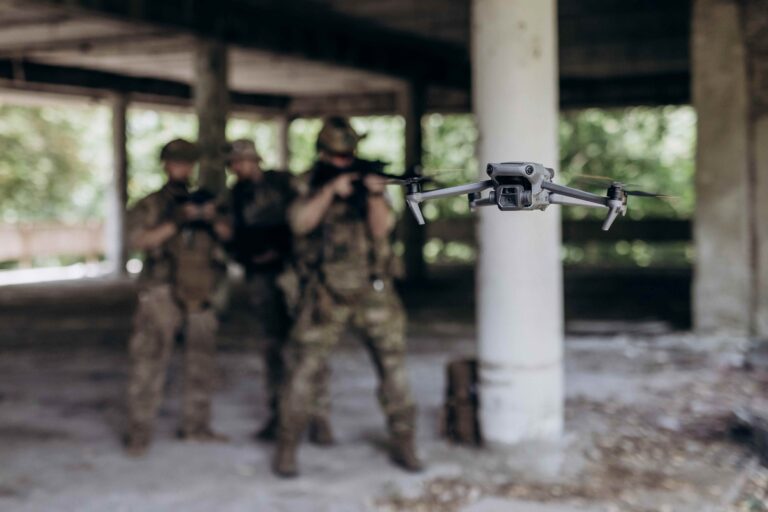
In its early years, the State of Israel made major investments in science and technology in alignment with its national security strategy of establishing a qualitative advantage over its adversaries. This initiative positioned Israel's defense sector as the driving force behind its technological progress. Over time, Israel's focus has shifted toward civilian-commercial technology, earning it the nickname “Start-Up Nation”. Upon examining the unique continuing dynamics between Israel’s thriving commercial hi-tech sector and its defense sector, it becomes evident that Israel's security situation remains the fuel that powers the country’s bustling start-up ecosystem.
Greece’s stance on the Israel-Hamas war reflects the excellent status of its relations with the Jewish State. The swift expression of Greek solidarity with Israel after the Hamas terrorist attack of 7 October 2023, and the organization of events to disseminate the “Bring Them Home” message, demonstrate the country’s continuing support. Greece’s attitude can be divided in two distinct phases, however. While in the first weeks of the conflict the Greek government firmly supported Israel’s right to self-defense, from the beginning of November onwards, it shifted its focus to the humanitarian dimension of hostilities. This came as a result of an adjustment in the direction of EU foreign policy and in response to domestic public opinion.
In the first days of the war that broke out following the October 7 massacre conducted by Hamas, Turkey employed a relatively balanced discourse about it. But after the bombing of Al-Ahli Hospital in Gaza on October 17, Ankara hardened its stance and bluntly condemned Israel. This change in Erdoğan’s rhetoric reflects a long pattern of anti-Israel sentiment. Erdoğan's support for Hamas in the wake of the massacre pulls Turkey, a NATO member, further away from the West. As long as Turkey pays no price for its anti-Israeli rhetoric, it will continue, and the resulting distance between Turkey and the West could have serious consequences.
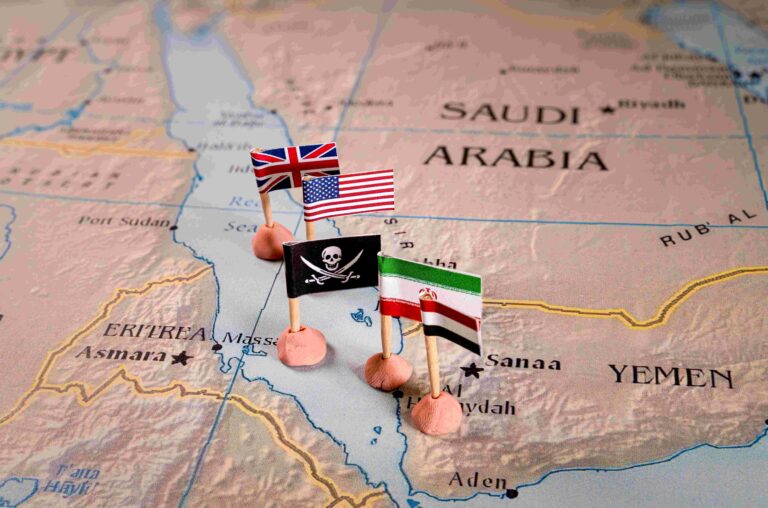
In response to the October 7 Hamas attacks on Israel, the United States has deployed significant naval forces to the Eastern Mediterranean and the Arabian Sea. This strategic display of sea power aims to deter regional escalation and address unexpected challenges, such as the Yemeni Houthi pirate and missile offensive in the Red Sea. The US Navy presence, which features advanced aircraft, destroyers, and a Marine Expeditionary Unit, demonstrates a commitment to regional stability and the readiness for significant combat operations, if necessary, while also highlighting the need for a more durable solution to the ongoing conflict.
The escalation of the Israel-Hamas conflict to incorporate a maritime dimension provoked by a Houthi-led offensive against commercial shipping represents both an escalation and a significant strategic challenge. This development extends the conflict's impact beyond regional boundaries, threatening Israel's security, global maritime commerce, and the principles of international maritime law.
Hezbollah began in 1982 as an Islamist organization founded and shaped according to the ideological model of the Islamic Republic of Iran. The organization was founded to establish an Islamist regime in Lebanon and conduct a jihadist war against the enemies of Islam: the West and Israel. Hezbollah gradually “Lebanonized”, meaning it claimed to be limit the military struggle to Lebanese territory, integrated into the Lebanese political system, and established an extensive civil infrastructure. This transformation was accompanied by a new discourse stressing its role as defender of Lebanon. But Hezbollah’s Lebanonization has not in any way diluted or moderated its conception of Israel, with which it believes itself to be in a doomsday war. Hezbollah’s military empowerment since the withdrawal of the IDF in 2000 does not correspond with its discourse about defending Lebanon. Hezbollah's involvement in the fighting since October 8 is not mere lip service but a demonstration of its total commitment to what it perceives as its deterministic conflict with Israel.

Accessibility Toolbar