Perspectives Papers

Perspectives Papers provide analysis from BESA Center research associates and other outside experts on the most important issues pertaining to Israel and the Middle East.

View Archive

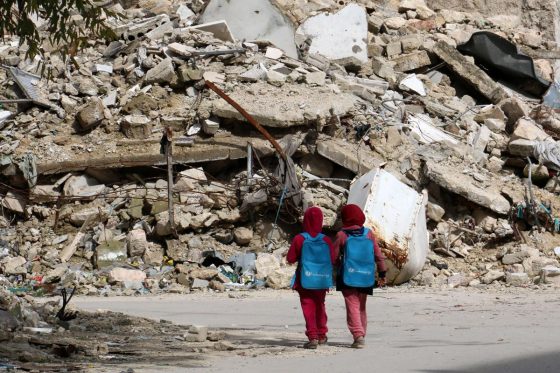
The fighting in Syria, which began in 2011, between President Bashar Assad and the opposition forces, seems to have reached its final stages. It is almost certain that Assad will remain in power. He will be the one to lead Syria in the coming years, and he will have to deal with the reconstruction of the ravaged country. In the interests of the Syrian people as well as the West, including Israel, it is wise to support China in its efforts to lead the reconstruction.
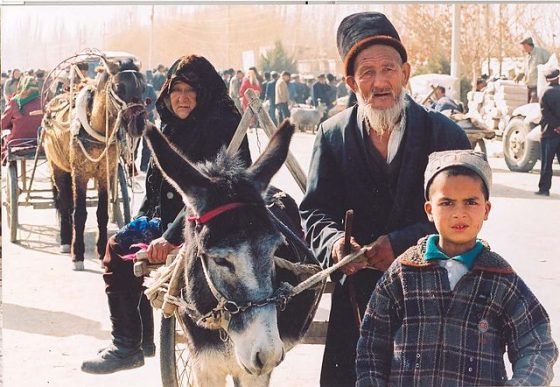
The assumption that economic investment aimed at increasing modernization and raising standards of living will weaken ethnic identity and strengthen a minority’s sense of belonging has been disproven in the case of the Xinjiang Autonomous Region (XUAR) in western China. Uyghur nationalism is increasing despite significant economic investment by the Chinese government, raising questions about the effectiveness of economic development programs designed to close gaps and diminish polarization between different groups.
The IDF is implementing a plan to improve its ability to operate on multiple battle fronts simultaneously. While there is no indication that any one of Israel's enemies is interested in initiating a full-scale war in the near future, the growing explosiveness of the region means that any tactical incident can snowball and turn into an unintended armed conflict very quickly – and one front can ignite others. 
During Indian PM Narendra Modi’s visit to Israel in July 2017, India finally ended its long practice that dignitaries who visit Israel must also travel to the Palestinian-controlled territories. On February 10, 2018, he conducted a landmark visit to Ramallah, the first such visit by an Indian PM – and did not visit Israel. This “de-hyphenation” of Israel-Palestine reflects Modi’s pragmatic and sensible approach to relations with the two entities.
Photos of the burning of a homemade Israeli flag by Muslim demonstrators in Berlin in December 2017 drew international attention due to their association with images of Nazi book burnings in 1933. Senior German politicians have exposed widespread anti-Semitism among the country’s Muslims, a situation borne out by various studies. While measures have been announced against Muslim anti-Semitism, the most important action has not been proposed: to screen all those wanting to immigrate for anti-Semitic and anti-Israel attitudes and bar those found to hold such beliefs.

Accessibility Toolbar