Perspectives Papers

Perspectives Papers provide analysis from BESA Center research associates and other outside experts on the most important issues pertaining to Israel and the Middle East.

View Archive

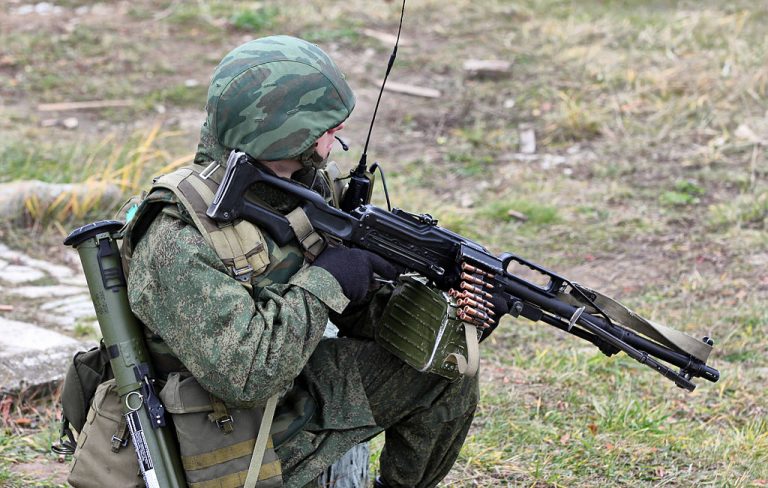
Moscow’s intervention in the Syrian civil war boosted the reputation of the Russian military, afforded it valuable training, and enhanced Moscow’s political clout in both the conflict zone itself and the Middle East more generally. With that said, Syria threatens to become a quagmire for Russia, and Moscow is looking for an exit. This will be difficult to pull off as Russia faces considerable geopolitical constraints.
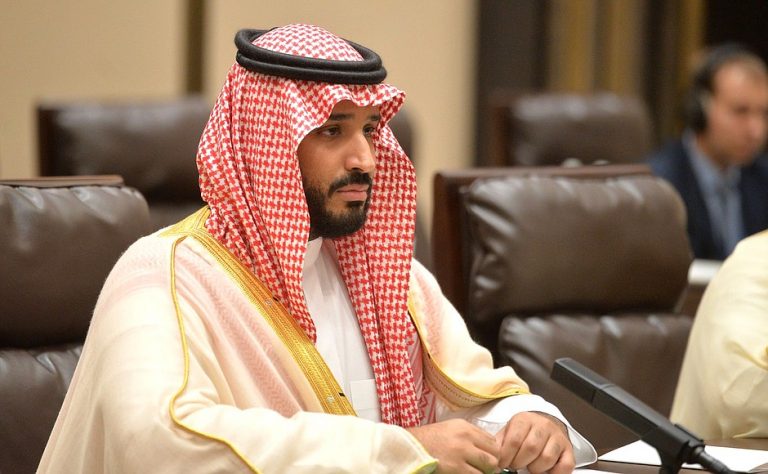
Few noticed a rare protest that took place in Saudi Arabia in late January 2011 as a wave of popular uprisings swept the Middle East and North Africa, toppling the leaders of Tunisia, Egypt, Libya, and Yemen. Yet that protest, as well as criticism of the government’s handling of floods in the Red Sea port of Jeddah in 2009, play an important role in Saudi Crown Prince Muhammad bin Salman’s extension of his crackdown to members of the ruling family and the military. Prince Muhammad is attempting to stamp out any form of opposition to his mercurial rise, economic and social reform plans, and conduct of the Yemen war.
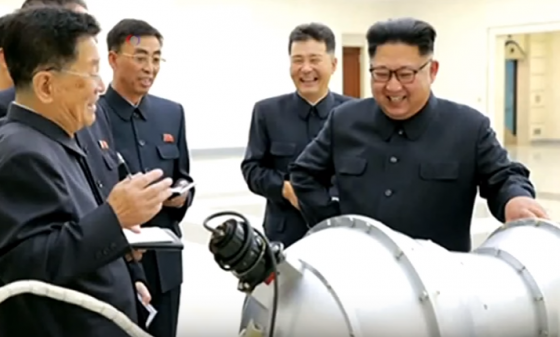
Uncertainty remains about North Korea's technological maturity and ability to launch nuclear warheads that could hit the US homeland, even after its recent success at launching the Hwasong-14 missile and the conducting of its most powerful nuclear test yet. The first-stage engine of the Hwasong-14 is a critical component in its possible operation as an intercontinental ballistic missile, but there are questions about how Pyongyang came by this engine, how many it possesses, and whether or not it can produce them on its own. These uncertainties are troubling not only with regard to North Korea, but also with regard to Iran. They have sobering implications about the possibility of monitoring and preventing the proliferation of weapons of mass destruction worldwide.
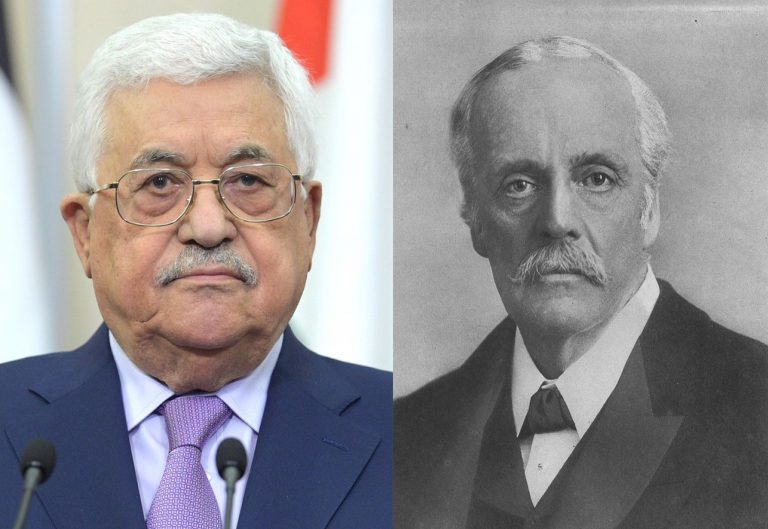
Rather than entrench itself in its century-long rejection of the “other” at the certain cost of prolonging its people’s suffering, the Palestinian leadership should accept the legitimacy of Jewish statehood. This was, in fact, acknowledged 100 years ago by the international community, including the world’s foremost Muslim power, the head of the pan-Arab movement, and most Palestinian Arabs.
One might be excused for believing the South Caucasus to be of little interest to Israel, as it does not border the Jewish state and hosts several intractable conflicts. But Israel has unique interests in each of the three component South Caucasus countries – interests that have only grown as Iran’s influence has expanded following the lifting of sanctions in 2016.
On October 18, 2017, representatives of the Communist Party of China (CPC) met for their party conference, which takes place every five years. At the event, President Xi Jinping significantly consolidated his position in the party and the state. The Chinese leadership is facing complex challenges, but also has much to be proud of. The party is showing strength and stability, and is taking steps to demonstrate that China has leaders who can take the country forward to face the challenges of the future – even if its approach does not always comport with a Western worldview.
In recent months, Germany and France have expressed skepticism and raised security concerns about the implications of Chinese investments in Europe. The 2017 State of the Union speech by the President of the European Commission, Jean Claude Juncker, reflected those voices, marking the beginning of a new period in Sino-European relations. The EU seems determined to be more careful about welcoming future Chinese business interests and is devising a screening model. However, it remains to be seen whether or not the new European strategy will be efficient, as the EU  needs foreign cash and investment.
The F-35 Joint Strike fighter aircraft is about to become fully operational in the Israel Air Force. An intelligence-gathering machine in a league of its own, the F-35 can evade the various enemy radar systems deployed in the northern arena. It will play a key role in Israel's quest to stop Iran and its proxies from creating a threatening military outpost in Syria, and will also help Israel guard against Hezbollah's heavily armed fortress in Lebanon. The new platform will also boost Israel's long-range capabilities. 
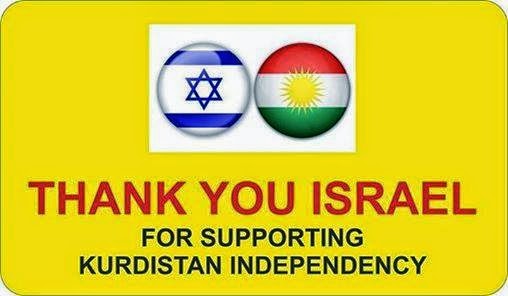
There may be a silver, if risky, lining for Kurdish nationalists in their devastating loss of Kirkuk and other cities on the periphery of their semi-autonomous region as they lick their wounds and vent anger over the deep-seated internal divisions that facilitated the Iranian-backed Iraqi blitzkrieg. Mounting popular anger coupled with US Congressional fury could position the Kurds as a key player in potential US efforts to roll back Iranian influence in Iraq and counter the Islamic Republic as part of President Donald J. Trump’s tougher approach towards Tehran.

Accessibility Toolbar