Perspectives Papers

Perspectives Papers provide analysis from BESA Center research associates and other outside experts on the most important issues pertaining to Israel and the Middle East.

View Archive

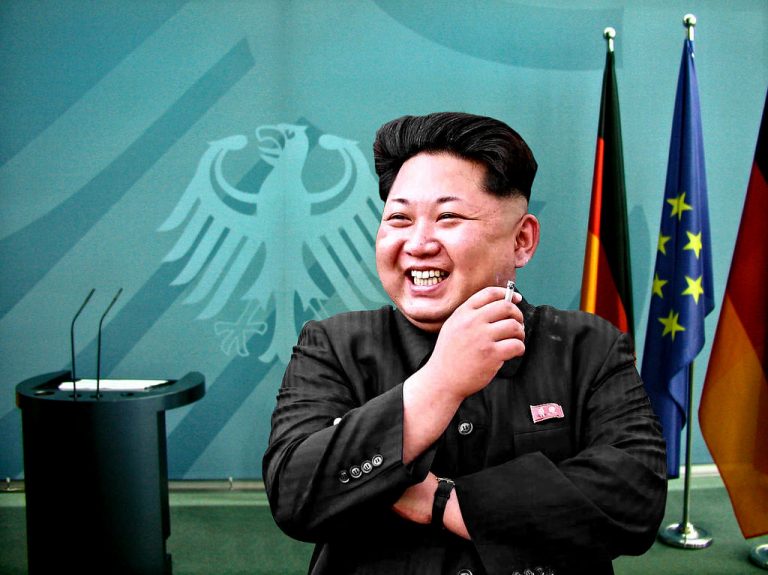
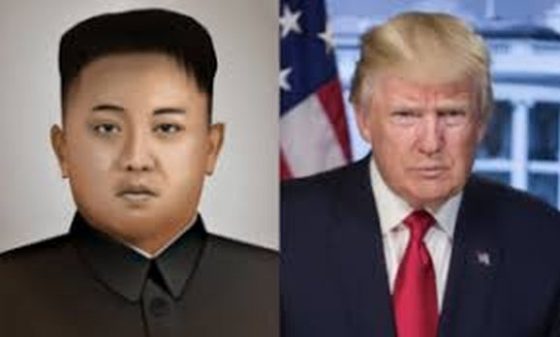
When mischief transfigures into menace, and plausible deniability gets in the way of the immediate concerted action necessary to punish state criminality in a decisive and conclusive manner, strategic patience becomes inversely proportional to strategic purpose. The North Korean crisis is a testament to the lamentable current state of a dysfunctional international system in need of a monitored ethical code, of decency and candor, of sincerity, humanity, wisdom and justice, at every echelon. It is time for diplomats and state leaders to heed the urgency.
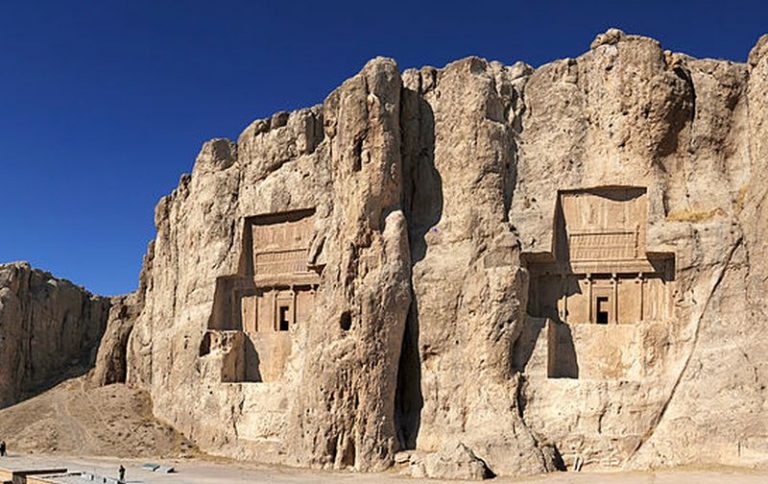
There are many questions about Tehran’s long-term foreign policy following the lifting of western sanctions in 2016. To answer these questions, it is helpful to consider Iran’s geography and the way it affects the country’s behavior in terms of international relations. Iran’s geopolitical imperatives to defend its core land, project power where necessary, and limit foreign encroachments have remained largely unchanged throughout many centuries of its history.
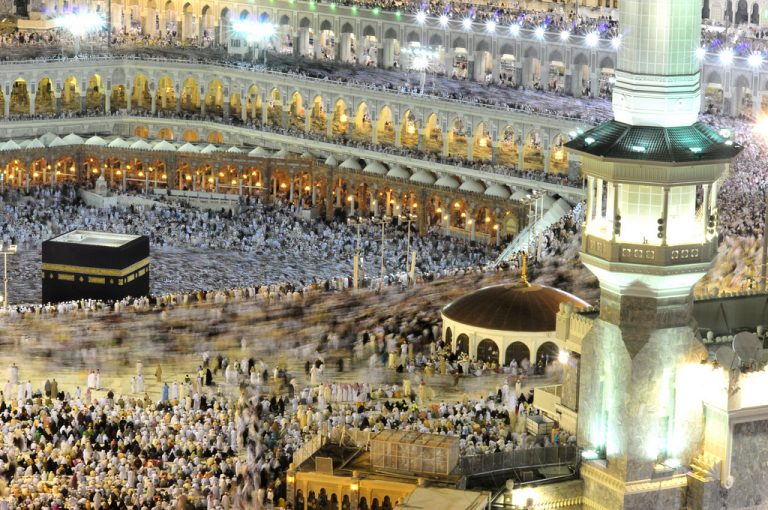
It is unlikely that the new heir to the Saudi throne, Prince Mohammed bin Salman – who will be the first of King ibn Saud’s grandchildren to come to power – will stop the private Saudi program of promoting Salafism. Salafism is the radical form of Islam practiced by the Saudis, and their export of their beliefs has been a major cause of the Muslim world’s move towards radicalism over the last nearly 40 years. But the Saudi leadership might respond to a US suggestion that they begin to omit Indonesia and India from their program. This would protect a critical quarter of the world’s Muslim population from moving from moderate to radical Islam.
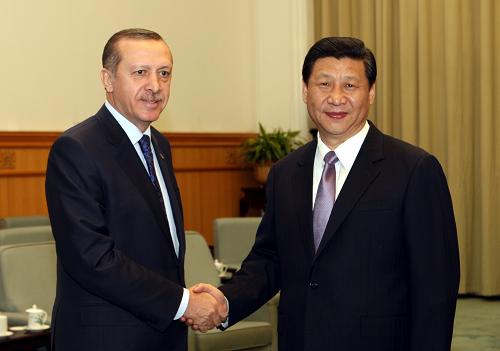
Last month, the Chinese established their first-ever military-naval base outside the Asia-Pacific region, in Djibouti. The establishment of the base is an expression of the "Maritime Silk Road" policy intended to exert Chinese presence in the Indian Ocean and into the Mediterranean. The establishment of the Djibouti base also reflects Beijing’s recent celebration of Zheng He, the 15th century admiral, whose voyages in the South China Sea and Indian Ocean have come to symbolize Chinese power and a Chinese-led global order. 
US President Donald Trump's son-in-law and senior adviser Jared Kushner, US Special Representative for International Negotiations Jason Greenblatt, and US Deputy National Security Adviser for Strategy Dina Powell will soon arrive in our region. This “peace team” will meet with leaders of Saudi Arabia, the UAE, Qatar, Jordan, Egypt, Israel, and the Palestinian Authority to examine ways to revive the Israeli-Palestinian peace process while also addressing issues of far more importance to Arab leaders, such as Iranian subversion in the region, the situation in Syria, the diplomatic crisis between Qatar and the Sunni Muslim states, as well as what is commonly referred to as "the humanitarian crisis in Gaza."

Accessibility Toolbar