Perspectives Papers

Perspectives Papers provide analysis from BESA Center research associates and other outside experts on the most important issues pertaining to Israel and the Middle East.

View Archive

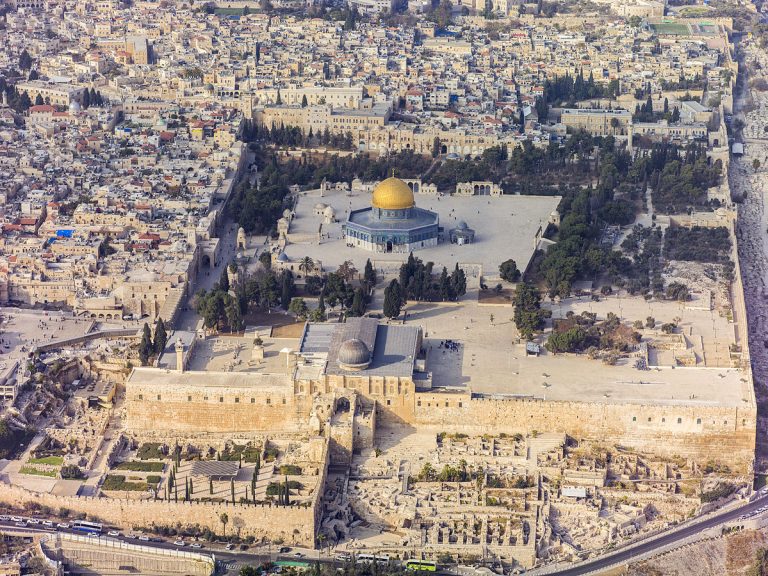
Major Palestinian riots erupted in response to the placement of metal detectors at the entrance of the Temple Mount, with the Palestinian inciters falsely claiming that the al-Aqsa Mosque is in danger. This form of action might serve as a model for future riots even if Israel signs a peace agreement with the Palestinians. As Israel’s concessions in such an agreement would be irreversible, the threat of easy-to-incite riots makes the prospects for peace even more remote.
Conflict management, when applied to the Israeli-Palestinian problem, is insufficient to achieve Israel’s interests. What is needed is a strategy of renewed settlement that will educate the Palestinians about the costs of their actions, divide their ranks instead of tactically unifying them, and keep it a conflict over land – which can eventually be resolved – rather than over religion, which is probably unsolvable.
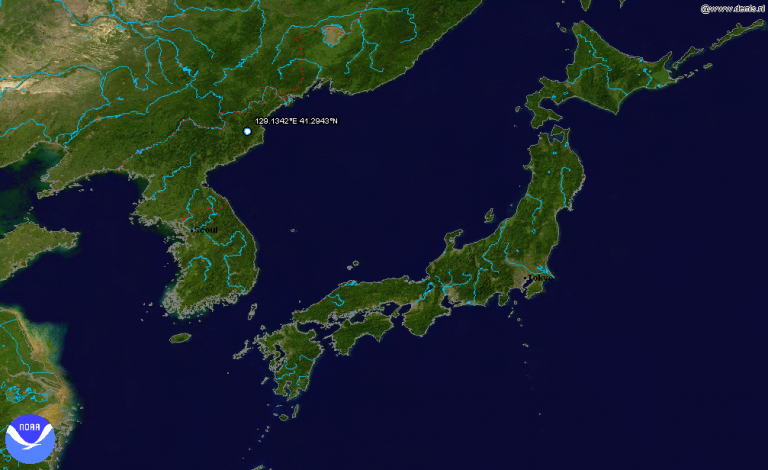
Will new economic sanctions against North Korea convince it to give up its nuclear and missile capabilities? No, they won’t. The US and its allies must evaluate whether the goals of new sanctions are feasible, how effective they can be, and whether they will be fully implemented. Without analyzing these parameters, new sanctions will be just more diplomatic kabuki that fails to change North Korean policy.
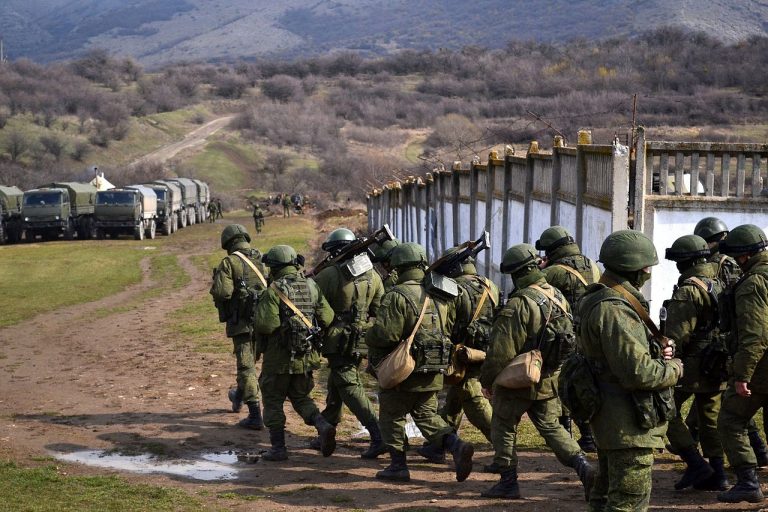
Western observers are often astonished by Russian military decision-making, which defies the principle of waiting for full knowledge of the enemy before acting. The Russian approach holds that it is in engagement of the enemy that knowledge will emerge that can advance an ultimate strategic design.
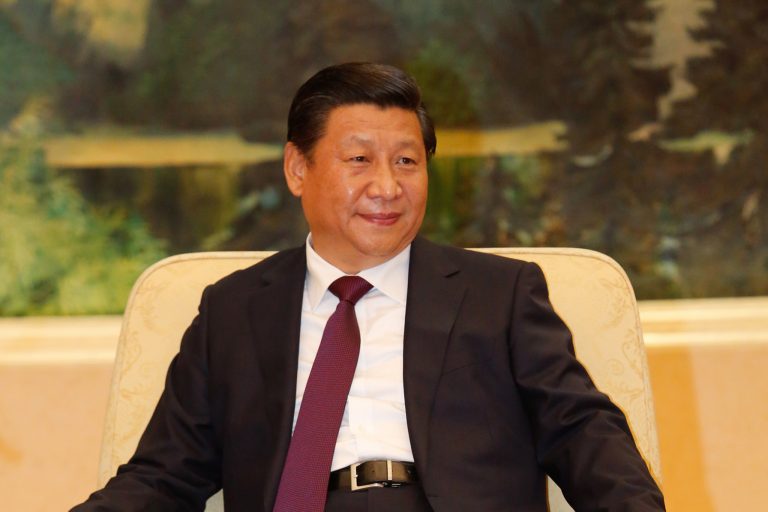
The most significant features of the recent G20 Summit were China’s and Germany's move to the forefront of the global leadership stage and a corresponding step backward by the US. The change in world leadership will affect the world economic structure over the coming years.
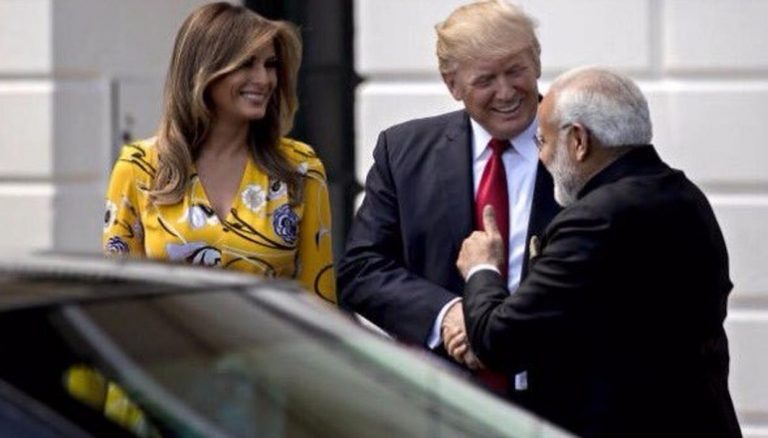
India-Israel defense and intelligence ties developed even before diplomatic relations were established between the countries. The establishment of diplomatic relations opened the door for greater cooperation, but relations remained low-profile until the ascendancy of Prime Minister Narendra Modi. He has given a dynamic push to India’s Israel policy. His recent, long overdue visit to Israel was centered around development-related issues and intensified the bilateral relationship.
Ever since Indian PM Narendra Modi’s ascent to power in May 2014, the possibility has been discussed that he might visit Israel. Three years later, on the 25th anniversary of the establishment of formal relations between the countries, Modi made the historic visit and received a warm welcome. The visit signifies an active Indian foreign policy that stands against the old order as well as a political victory for Israeli PM Benjamin Netanyahu, both on the geopolitical level and on the domestic front.
The North Korean imbroglio has been affecting Sino-American relations for months. Washington and Beijing agree on the urgency of mitigating risks stemming from the unpredictable behavior of North Korean leader Kim Jong-un, but differ on methods to achieve that objective. President Trump has abandoned the “strategic patience” ethos of the Obama era and criticizes Beijing for not putting greater pressure on Pyongyang. For its part, Beijing is concerned about instability on the Korean Peninsula as the US military presence expands and the “regime change” prescription gains ground.
Turkey continues to insert itself more and more into the ongoing clashes on the Temple Mount, almost as if it legally represents the Palestinians in the dispute. Turkey's anti-Israel agitation, which garners wide support among Palestinians in both Gaza and the PA, is hardly new. But its patronage of the Palestinians hides more than religious sentiment. Turkish anti-Zionism, which aligns directly with anti-Semitism, is being expressed once again through the current friction.

Accessibility Toolbar