
Perspectives Papers

Perspectives Papers provide analysis from BESA Center research associates and other outside experts on the most important issues pertaining to Israel and the Middle East.

View Archive

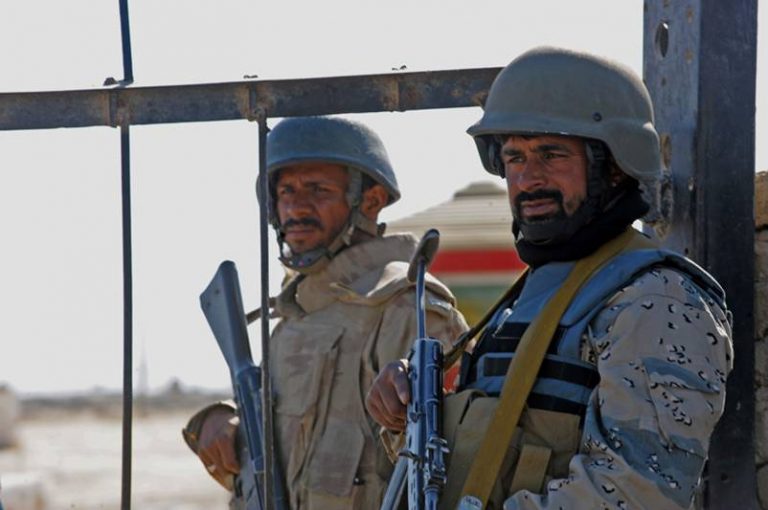
The tensions between Afghanistan and Pakistan reached new heights at the end of May after the explosion of a fuel tanker in the diplomatic neighborhood of Kabul. The Chinese leadership, which until recently has watched these tensions from afar, decided to step in and build a mechanism of collaboration. This move is consistent with China’s strategic aim: the stabilization of the global arena in general, and of countries that might be partners in the BRI initiative in particular. As much as the Chinese want to build land and sea roads, they will have to deal with difficulties in and among the countries these roads will cross.
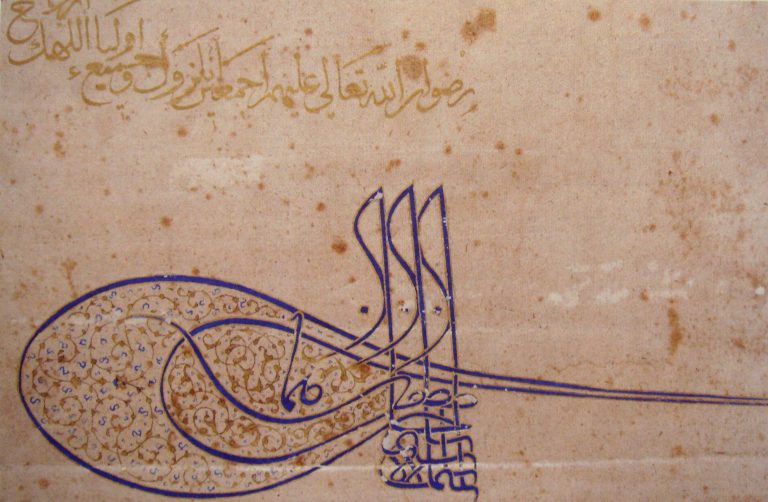
EXECUTIVE SUMMARY: As demonstrated by Ottoman Sultan Suleiman the Magnificent’s letter of 1536 to French King Francis I, the clout of absolute political prestige finds legitimacy in the power of religion. The prestigious absolutisms animating the claim to fame of most states in and around Arabia today could become the reason why the Middle East may soon have to unite or disintegrate.
Access to potable water is critical for Israel’s future, yet Israel depends more and more on desalination plants, aquifers, and water from outside its borders to provide this resource. These sources could be in jeopardy as Israel seeks to extract oil and natural gas off its coast and on land. There is a real possibility that President Donald Trump might seek access to Israel’s energy supplies at the cost of its water, an ominous prospect.
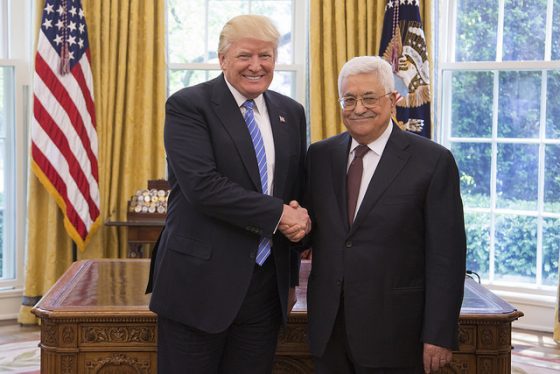
Thanks to his struggle against Israel, Mahmoud Abbas is a political superstar. Many heads of NATO states can only dream of his access to great leaders. As long as Abbas does not make peace with Israel, he meets US presidents with almost the same frequency as the prime minister of Great Britain. If he does make peace, he might suffer the fate of Jordan’s kings, who meet the US president far less after having signed the Israel-Jordan peace treaty than they did before.
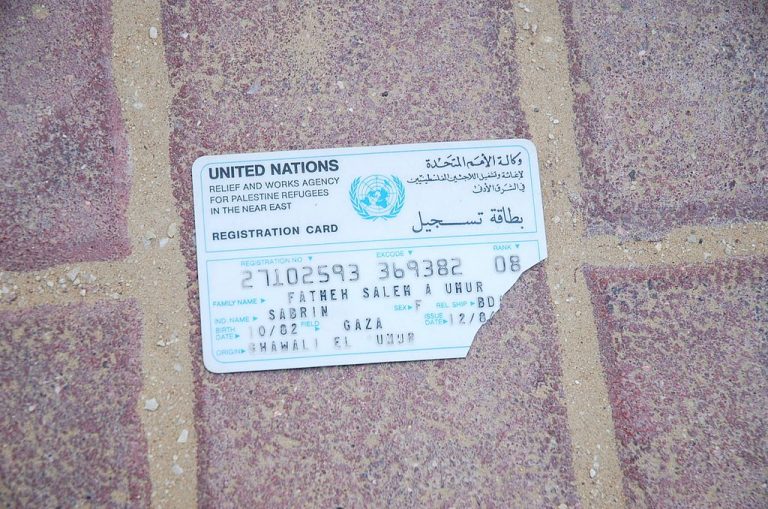
In a surprising change of policy, Israeli Prime Minister Netanyahu has called for the dismantling of UNRWA. Such a move could benefit both Israel and the peace process. The new US administration might change its decades-old policy as well.
The winds of war blowing between Saudi Arabia and Qatar, as well as Iranian subversion, are destabilizing the Persian Gulf principalities. To make matters worse, the economic situation, which has worsened in recent years because of ill-advised decisions, is stoking fears of popular uprisings and widespread disturbances. These internal crises could lead to a new “Arab Spring” in which some of the Gulf monarchies might fall. The main winner would be Tehran, for which the current crisis, along with the boycott imposed on Qatar, has opened a path to a takeover of Bahrain – and Iran has already, in effect, taken over Baghdad, Damascus, Beirut, and Sana’a.
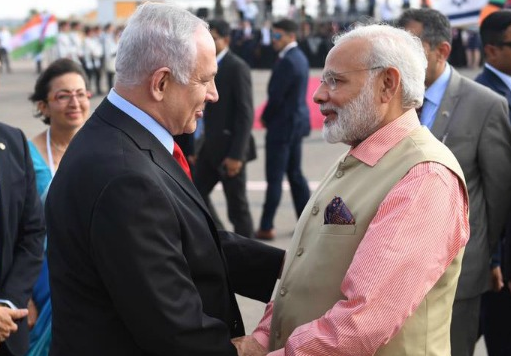
Indian PM Narendra Modi’s first visit to Israel is an affirmation of readiness, beyond mere symbolism, for an unprecedented expansion of collaboration between two democracies and two peoples. There is potential for such expansion on many levels: government-to-government, business-to-business, industry-to-industry, sector-to-sector, and people-to-people. Israel’s technological expertise in critical domains, and India’s good relations with the Gulf nations, including Iran, as well as with the G-77 group of nations (which often votes as a bloc at the UN), should augur well for new synergies that could prove beneficial for the region and for the Israel-Palestine conflict.
China and Greece have an almost entirely one-sided economic relationship. China’s deep involvement in Greece is part of a long-term strategy to achieve control of the marine paths from China to the EU. This strategy means China is willing to invest and take part in the rehabilitation of Greece – but there will be a price to be paid for this.

Accessibility Toolbar