Perspectives Papers

Perspectives Papers provide analysis from BESA Center research associates and other outside experts on the most important issues pertaining to Israel and the Middle East.

View Archive

Government decisions that snub the non-Orthodox denominations of the Jewish faith are not only a matter of identity and morality. They have a direct bearing on national security. One of the foundational aspects of Israel's strategy of survival in a hostile environment is the special relationship with the US, which turn rests on three pillars: a commonality of strategic interests, facing the same threats; an affinity of moral and democratic values; and the organized support of American Jewry. Both the affinity and the Jewish commitment may have been put at risk by decisions that enshrine the monopoly of the Orthodox (in effect, the ultra-Orthodox) interpretation of Judaism in Israeli political life.
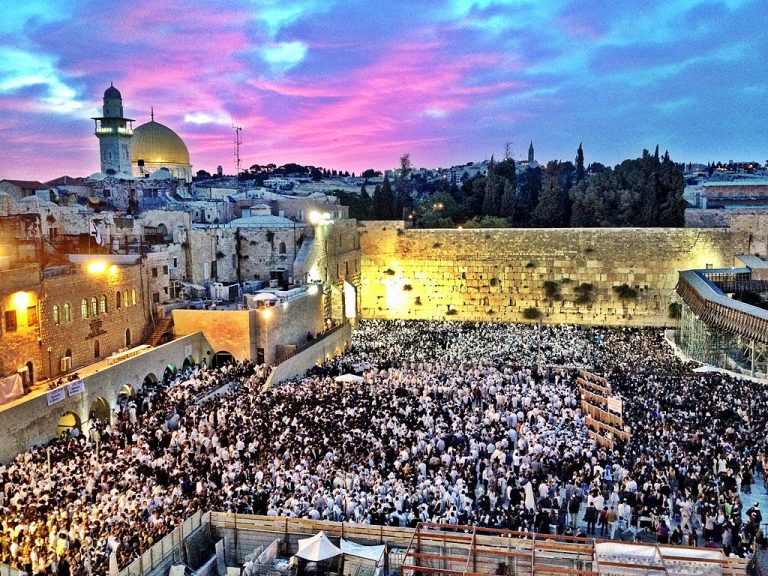
A close look at the situation in eastern Jerusalem reveals contradictory movements: radical Islamicization vs. closer integration with Jewish Jerusalem. Both trends on the rise simultaneously. Despite the complicated circumstances, united Jerusalem under exclusive Israeli sovereignty is the key, not an obstacle, to peace and security in the city.
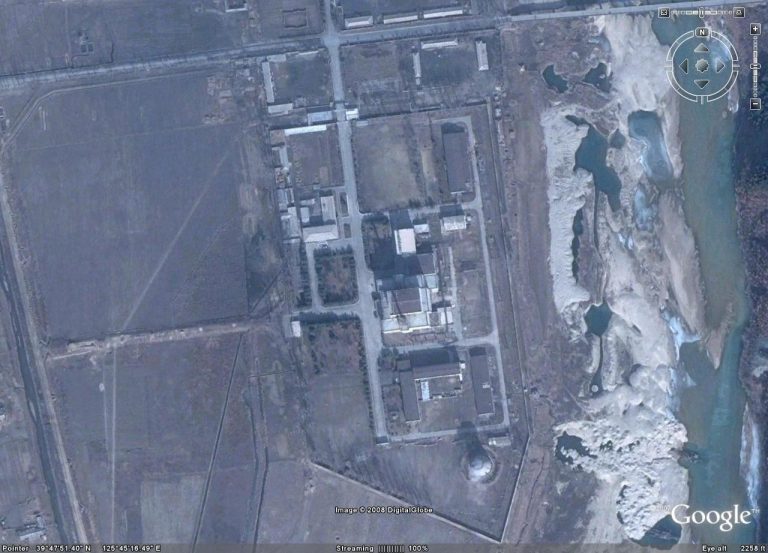
North Korea is moving forward with its development of an ICBM that can carry a nuclear warhead. Will Pyongyang test it, challenging Washington to strike its nuclear reactor in Yongbyon? If Washington does strike, will Pyongyang choose to react passively as Syria did in 2007, or will it respond by starting a war with South Korean and American forces in the region? Although both sides use militant rhetoric, neither will choose to challenge the other. They will instead upgrade their deterrence capabilities.
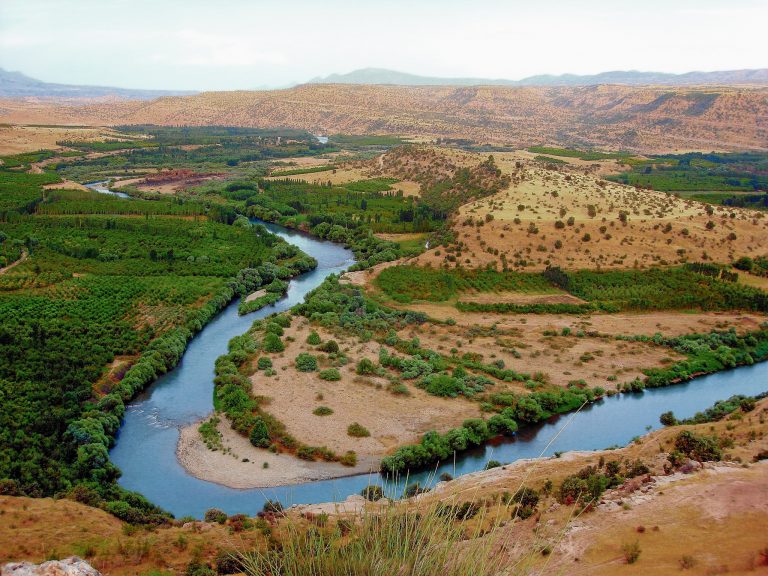
On September 25, a referendum will be held on the future of the Kurdistan region of Iraq. The vote will decide whether autonomous Kurdistan should disengage from Iraq and become an independent state or remain within the Iraqi state. The referendum will be the Iraqi Kurds’ first concrete step towards the realization of the more than century-long dream of an independent Kurdish state.
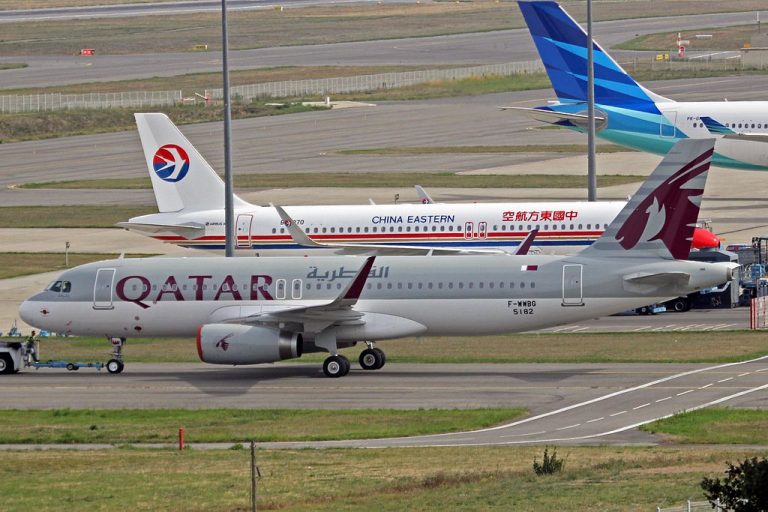
The EastMed pipeline, a proposed means of transporting gas from the eastern Mediterranean to new markets, would be expensive and difficult – but it is feasible. Easier and less expensive solutions are also being considered, but the security element works in EastMed’s favor. EastMed would allow Cyprus, Greece, and Israel to collaborate while developing their roles as hubs of stability in a turbulent neighborhood. The EU and the US would likely see improvement in Western energy dependence. And Israel would have the opportunity to improve its relationship with the EU, not only by participating in a project of European interest but also by finding new clients for its own gas in the European market.
The Trump White House is currently reexamining the Allen Plan, an Obama-era proposal that calls for a Palestinian state in the 1967 borders with no IDF presence whatsoever. This plan is dangerous. If it is implemented, Israel will have to rely on foreign forces for its security, a situation that has not worked in the past. More than that, it is antithetical to the Israeli ethos of self-defense and self-preservation in the Jewish homeland.
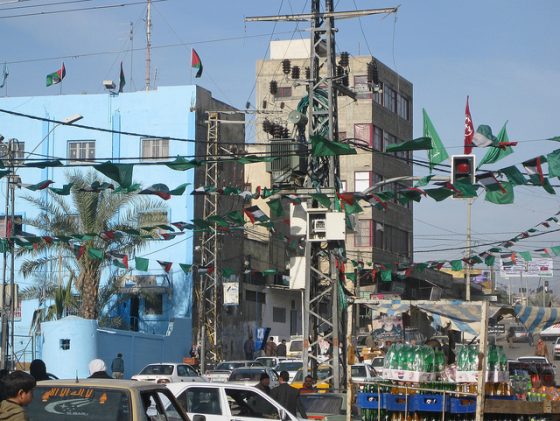
One of the most widespread myths about Gaza is that it is wallowing in poverty and forever on the verge of a humanitarian crisis as a result of the Israeli and Egyptian blockade. But indicators such as life expectancy, growth in imports, and electricity demand suggest that the Gazan standard of living is growing, not declining. If a genuine humanitarian crisis were to loom, the solution would be simple: disarm Hamas and divert its considerable expenditures on terrorism to the improvement of the welfare of Gaza’s inhabitants.
Hamas, the terrorist organization that rules the Gaza Strip, is under pressure from three sides: less electricity, lower salaries, and reduced economic aid. It might be tempting for Israel to take advantage of these pressures to compel Hamas to rein in its military expenditures – but the less Hamas feels it has to lose, the more combustible Gaza becomes.

Accessibility Toolbar