
Perspectives Papers

Perspectives Papers provide analysis from BESA Center research associates and other outside experts on the most important issues pertaining to Israel and the Middle East.

View Archive

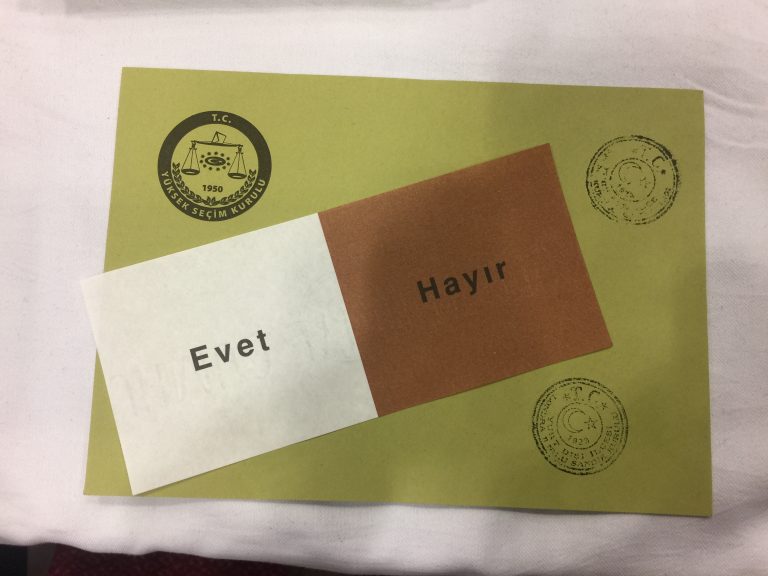
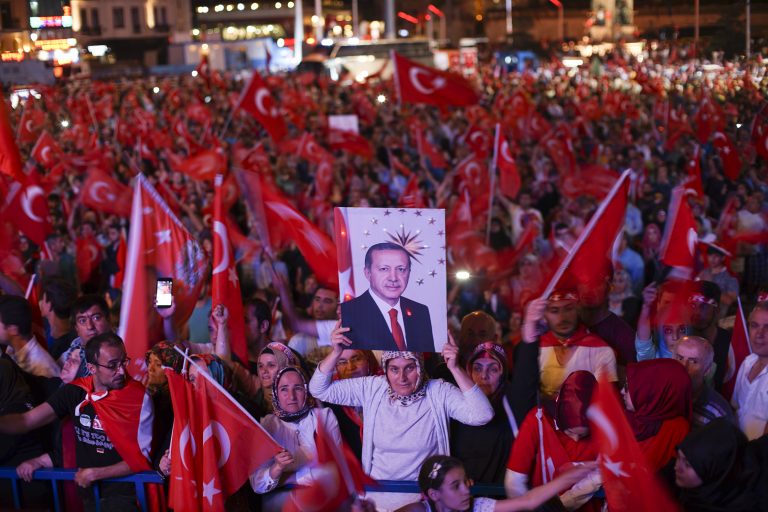
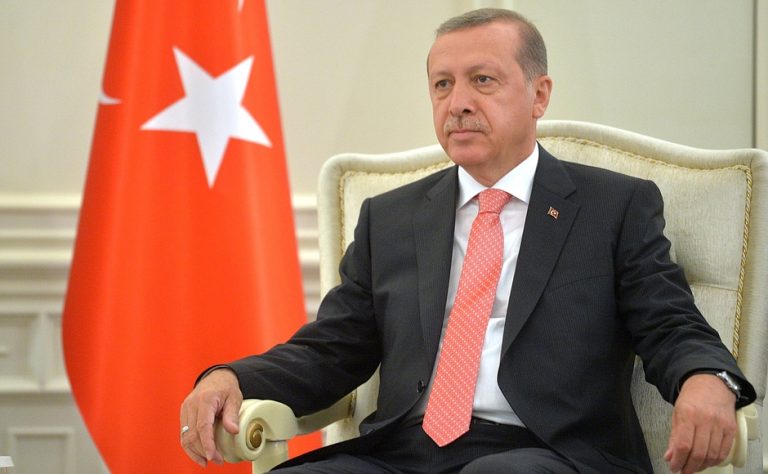
The referendum victory of April 16, 2017, which gave Recep Tayyip Erdoğan unchecked powers, has left Turkey bitterly polarized. Fresh rounds of political tensions are likely in a country where half the population loves the president and the other half hates him. Erdoğan’s longer-term game plan is to ensure that Turkey will continue to elect conservative, nationalist presidents and governments after his day is done.
Since 2004, Turkey has descended from winning accession talks with the EU to the “sick man of European democracy.” President Erdoğan, in his efforts to consolidate his conservative and nationalist voters, continues to fan fears of real or fabricated enemies, with particular emphasis on “Christian crusaders.” Few Turks (or Kurds) appear to care about Ankara’s disturbing and ever-worsening democratic deficit. Twenty-first century Turkey is behaving like the country described decades ago by a Turkish philosopher: “[It] is a ship heading east. Those aboard think they are heading west, but they are just running west on a ship sailing east.”
The understandings reached between the Trump administration and the Netanyahu government, and approved by the Israeli Security Cabinet (despite some protests), show that a reasonable program of settlement construction is not the root of all evil in the region. In fact, a peace deal is more likely if space is given to the mainstream settler community. The new understandings overturn the language of UNSCR 2334 and the "purist" interpretation of "international legitimacy." Such a return to the recognition of existing realities – which was granted in the exchange of letters between Bush and Sharon in April 2004 – would help all sides come closer to a realistic compromise.
All states share a common and binding obligation to apprehend and punish terrorists. Although Israel remains on the front line of this rule and does everything possible to comply with operational terms, it has a corollary obligation to keep sentenced terrorist murderers in confinement. When Haitham Muari, one of the Hamas murderers convicted in the grotesque 2004 mutilation murders of two Israelis in Ramallah, was recently set free, it placed Israel in the regrettable position of initiating yet another lawless terrorist release. The official explanation from Jerusalem – that Muari had "only" been involved in the pre-mutilation beating of Sgt. Maj. Yosef Avrahami, and should therefore be released after a much briefer period of imprisonment – is wrongly exculpatory, legally contrived, and nationally self-destructive.
Considering the ways Israel’s opponents have changed over the decades, the collective yearning among Israelis for a decisive, 1967-style victory is unrealistic. The false hope for such success impedes clarity of thinking and causes the Israeli public to lose confidence in both the military and the political leadership. The only approach that can succeed in Israel’s current conflicts is a patient, attritional, repetitive use of force. Israelis should take comfort that time is on Israel’s side.
Fifty years after the Six Day War, the American Jewish community is sharply fragmented, with many Jews grappling with where Zionism fits into their Jewish identity. As the Boycott, Divestment and Sanctions (BDS) movement grows in popularity and attracts more Jewish advocates, the gap is growing even wider between American Jewry and Israel.
European countries, concerned about Turkey's swing towards authoritarianism, are not allowing political campaigns by AKP members on their soil, a decision that has rankled the Turkish ruling party. Ankara’s relations with Europe have deteriorated for other reasons as well: the support Europe allegedly gives the PKK, its reluctance to acknowledge the alleged responsibility of FGM for the coup attempt in July 2016, and the refugee deal. As the gaps widen between Turkey and Europe, it might be better for both sides if Europe made up its mind about Turkish admission to the EU.
Israel’s Arrow recently made its combat debut with the interception of a Syrian anti-aircraft missile. Remarkably, the 1991 vintage Arrow missile defense system managed to track, engage, and destroy a type of target never envisaged during its design. This sent a powerful message that Israel's missile shield is reaching maturity. The political repercussions of the interception raised questions about its advisability, but the repercussions of a non-interception might have been even more severe.
Israeli professor Moshe Zuckermann's notions about antisemitism, Israel, and the Israeli-Palestinian conflict are representative of a current in Jewish thinking: anti-Zionism among Jews in both Israel and the Diaspora. Zuckermann's approach to developments in modern Jewry is based on assumptions that do not stand the test of historical analysis. The central factor in his thought is a visceral aversion to the Zionist idea and its realization.
Violence is not the only means by which Islamist groups and individuals hope to expand Islamic influence, establish Islamic governments, and eventually restore the caliphate. In addition to the Islamic State (ISIS) and al-Qaeda, many non-violent, legal groups either overtly or covertly share those aims. “Are they violent or not?” should not be the main question while analyzing Islamist groups or governments. “What is their aim?” is the better question if we are to understand them and take effective precautions. Methods might vary, but the establishment of Islamic rule is the ultimate goal of Islamist ideology.

Accessibility Toolbar