Perspectives Papers

Perspectives Papers provide analysis from BESA Center research associates and other outside experts on the most important issues pertaining to Israel and the Middle East.

View Archive

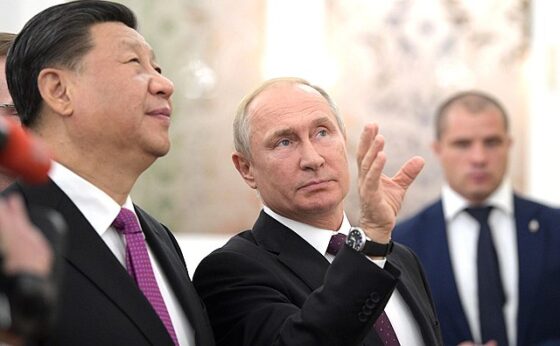
On June 4, Russian president Vladimir Putin signed a law banning “individuals designated as ‘extremists’ from running for public office.” There is little doubt that the legislation is aimed primarily at opposition leader Alexei Navalny, now in prison, and whoever supports him. 
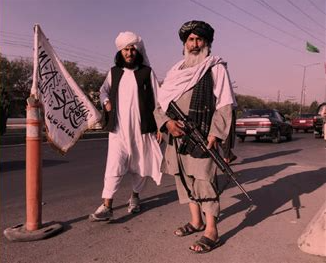
The US invaded Afghanistan in 2001 to overthrow the Taliban regime and al-Qaeda after the 9/11 attacks. Iran opposed the US presence, as it strove (and continues to strive) for regional hegemony. Despite its distaste for the Sunni Taliban, Tehran constantly undermined US efforts to stabilize Afghanistan by collaborating with the extremist group.
The Middle East and North Africa are dry, with higher temperatures, fewer rivers, and less rain and snowfall than the rest of the world. Thanks to the Tigris and Euphrates rivers, Iraq is one of the richest countries in the region in terms of water resources—but millions of Iraqis nevertheless suffer from a lack of clean water as temperatures rise and desertification overtakes large parts of the country. This problem is badly mismanaged by the Iraqi government, as it is by other governments across the region, and is worsened by the malign actions of neighboring countries. If the water problem is not solved, Iraqi civilization could disappear completely.
US policy in Afghanistan was based on lies, ignorance, and irrational thinking. Many other aspects of American foreign policy, still doggedly pursued, look dangerously similar. For 30 years, US policy has amounted to the construction of a huge house of cards in all directions. Now that one card has fallen, the rest will inevitably follow.  

Accessibility Toolbar