Perspectives Papers

Perspectives Papers provide analysis from BESA Center research associates and other outside experts on the most important issues pertaining to Israel and the Middle East.

View Archive

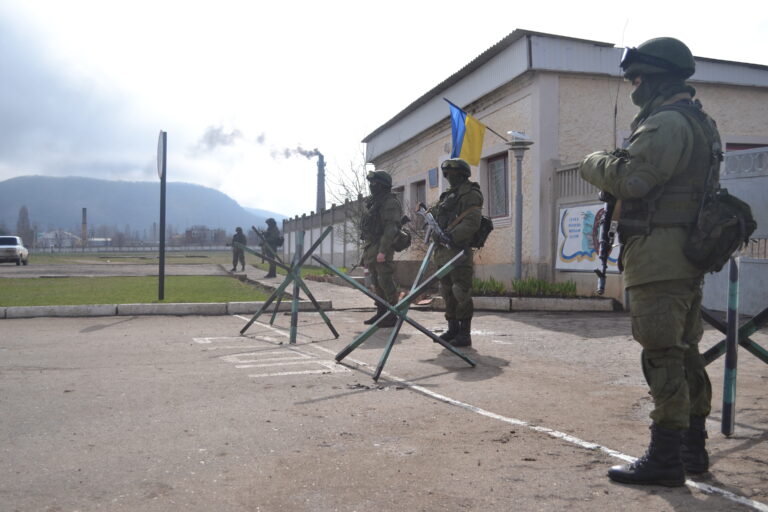
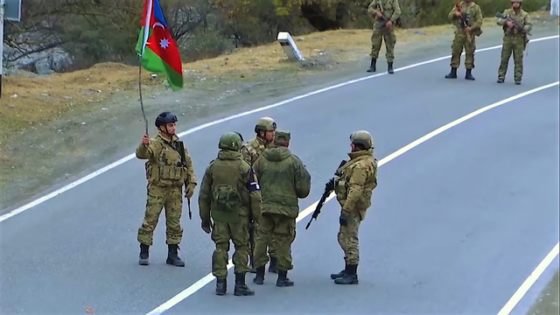
During simultaneous crises in Armenia, Belarus, and Kyrgyzstan, Moscow faced challenges that contained opportunities to reap geopolitical benefits. Moscow’s handling of these crises demonstrates that its policy toward its neighbors has evolved away from direct intervention and toward careful maneuvering, which is both face-saving and more geopolitically rewarding.
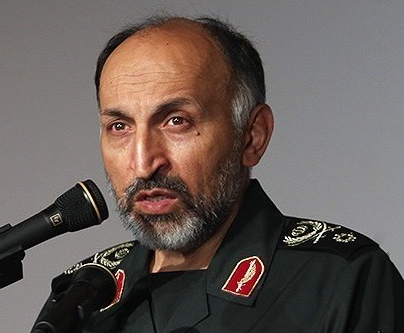
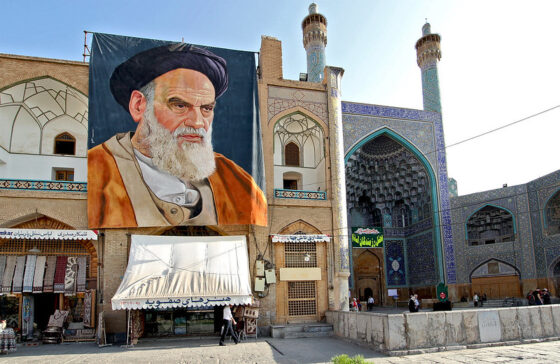
Khomeinism, the ideology of the Islamic Republic of Iran, encompasses the radical ideas of its founding father Ayatollah Khomeini. Antisemitism is a central tenet of this ideology and the regime has repeatedly threatened to exterminate the Jewish State. As recently as March 7, 2021, Iranian DM Amir Hatami claimed that Tehran has the capacity to “turn Tel Aviv and Haifa into ashes.”
The near-murder of Russian opposition politician Alexei Navalny last August, his return to Moscow in January, and the resultant protests attended by tens of thousands in more than a hundred Russian cities raise the question of how long the Russian people will continue to tolerate President Vladimir Putin’s repressive acts against political enemies and rivals.
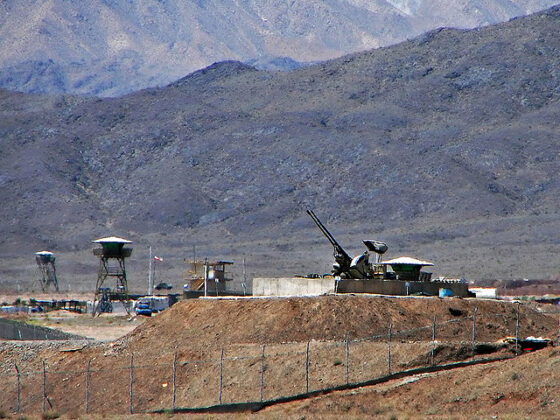
In the morning hours of April 11, the Natanz nuclear facility in Iran was attacked, allegedly by Israel. The strike came at a sensitive time, as Iran and world powers are discussing Washington’s return to the Joint Comprehensive Plan of Action (JCPOA) and the removal of sanctions. According to Israeli estimates, as the Islamic Republic does not wish to jeopardize a US return to the JCPOA, its response to the Natanz strike will probably be belated and highly circumscribed.
A vicious lie has been making the rounds lately. It is a timeworn smear against the Jewish people in a modern guise. The ancient blood libel—“Jews are poisoners”—stoked antisemitic violence through the ages, from the Black Death to tainted wells. This time, it has taken the form of a claim that Israel is denying COVID-19 vaccinations to its non-Jewish citizens and to the residents of the not-yet-sovereign Palestinian Authority. This is as much a lie as all its predecessors.
The newly signed massive China-Iran agreement prompts as many questions as answers. One thing is clear: China has taken action at a time when the US is winding down its presence in Middle East and its relationships with Arab states have come into question.

Accessibility Toolbar