Perspectives Papers

Perspectives Papers provide analysis from BESA Center research associates and other outside experts on the most important issues pertaining to Israel and the Middle East.

View Archive

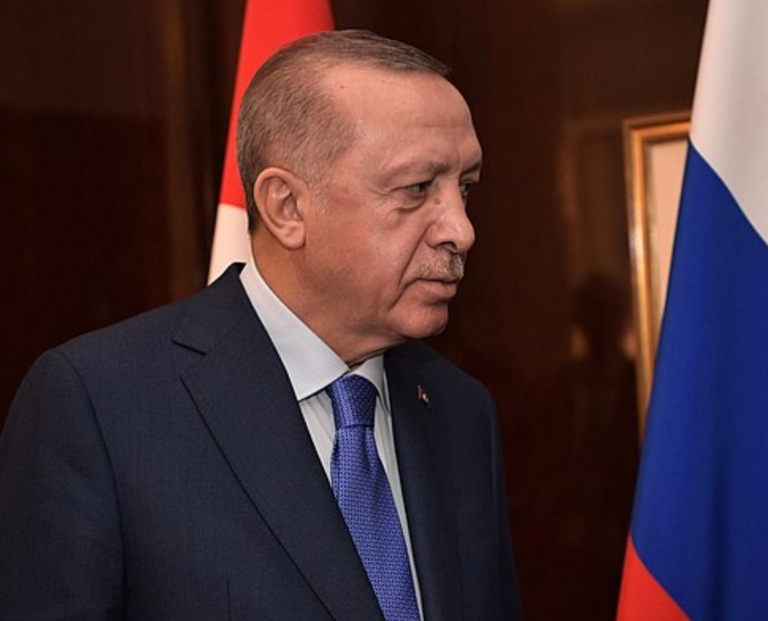
The EU does not have the option of being indifferent to the antics of neo-Ottoman bully Recep Tayyip Erdoğan. Doing so would discredit the EU and weaken its soft power. But sanctions, if miscalculated, could create new problems if they go beyond the desired target. Surgical precision will be needed.
While the recent peace agreements between Israel and the Gulf principalities are a political achievement of historic significance for Israel's regional status, the construction of an anti-Iranian front will oblige Israel to take military action on behalf of its new allies even in situations where there is no existential threat to the Jewish State. The Israeli public must internalize the reality of this commitment.
For about 20 years, the EU has been largely inactive, incompetent, negligent, and at times even evil in the battle against antisemitism. During that period, Jew- and Israel hatred has greatly increased in the EU. The EU Commission has announced that in 2021 it will present a comprehensive strategy on combating antisemitism. No such strategy can succeed without a detailed explication of the lengthy history of antisemitism in Europe. If the strategy does not explicitly admit that antisemitism is integral to European culture, it will fail. 
The killing of Mohsen Fakhrizadeh, long-time mainstay of the Iranian military nuclear program, is a severe blow to that program and another massive intelligence failure by Iranian internal security. It is difficult at this stage to assess the implications of the operation on the Iranian nuclear program and the political situation, especially in light of the upcoming change of government in Washington.
September marked the 40th anniversary of the outbreak of the eight-year-long Iran-Iraq War, the longest Middle Eastern war of the twentieth century. It took the lives of more than a million people, wrought huge destruction in both countries, and severely harmed their populations and their economic and social resources. Forty years later, it needs to be asked what really caused this war to break out and what lessons have or have not been learned from it.
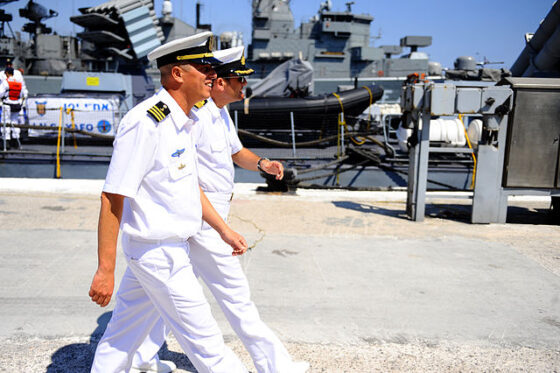
For years, Greek politicians approached Israel in the hope of receiving active support against Turkey in the Eastern Mediterranean. While current Turkish actions in the Basin expose this hope as wishful thinking, they also offer an opportunity for Greece to better understand Israel and frame the bilateral partnership (often trilateral, with the participation of Cyprus) accordingly. Instead of cultivating illusions, Athens needs to clarify what it expects from Jerusalem and be engaged in a sincere dialogue about all issues of joint interest. This is particularly the case in view of the advent of a new American administration.
This past Friday, the architect of the Iranian nuclear program, Mohsen Fakhrizadeh, was assassinated in a well-organized raid 70 km outside the city of Tehran. A commander of the Islamic Revolutionary Guard Corps (IRGC), Fakhrizadeh headed the important Organization of Defensive Innovation and Research of the Ministry of Defense, which conducted nuclear weapons research. His killing reflects a major breach in Iranian counterintelligence and could indicate that the regime’s intelligence and security apparatuses have been compromised. Iran will have to respond to Fakhrizadeh´s assassination, but will likely do so in a manner that avoids full-scale war.

Accessibility Toolbar