Perspectives Papers

Perspectives Papers provide analysis from BESA Center research associates and other outside experts on the most important issues pertaining to Israel and the Middle East.

View Archive

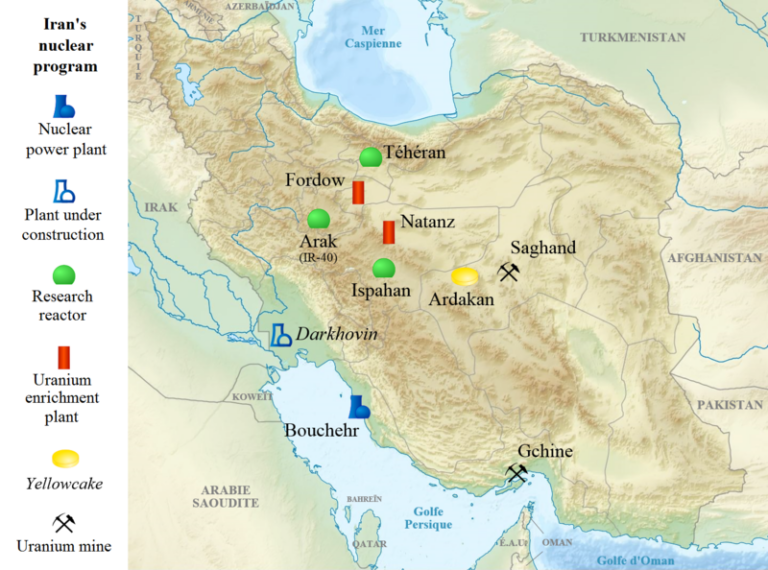
Iran continues to insist that its nuclear program is designed for peaceful purposes despite all evidence of its military nature. This evidence includes the IAEA’s recent findings regarding Tehran’s progress in the field of uranium enrichment. Given Iran’s current uranium holdings and enrichment capabilities, it can theoretically break out from its NPT commitment and develop its first nuclear bomb within four months.
Although the “Floyd crisis” in the US contains the seeds of civil war, acknowledgment of the historical errors that gave rise to this crisis, taking responsibility, and making a commitment to rectify those errors could make this a shining moment for the American people and a milestone in the history of democracy. 
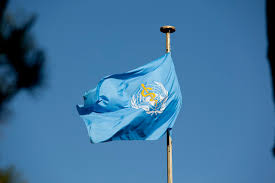
It is disappointing that the 73rd meeting of the World Health Assembly, the decision-making body of the World Health Organization (WHO), went ahead on May 18-19 without the participation of Taiwan. The dominant mood in the democratic part of the world has long been to bring Taiwan and its 23.8 million people into the WHO.  
Contrary to the alarming charge that the application of sovereignty over parts of the West Bank would transform Israel into a binational state, doing so would not affect 95% of the West Bankers who have been living under the rule of the Palestinian Authority since January 1996. They will continue to do so. The move does entail political risks, but they are smaller than the security hazards that would accompany Israel’s inability to maintain a permanent security presence in the Jordan Valley.
Societal change is occurring very rapidly as countries emerge from the height of the coronavirus crisis. In some locations, major protests are being mounted against government measures. If a second wave of the pandemic strikes, popular resistance to future measures could be great. In addition to protests, we are seeing the first of what could become a massive stream of court cases. The revival of the economy is a priority for every government, but mistakes can come at a heavy price.
he received wisdom that “missiles and rockets don't win wars,” always a dubious assertion, is now obsolete and demonstrably false. Modern precision-guided missiles have the same combat effectiveness as fighting aircraft yet are easier to operate and less vulnerable as they don’t rely on huge, immovable, target-rich air bases. Precision-guided missiles and rockets can paralyze the civilian and military infrastructures of entire countries, thus paving the way to their defeat in war. These weapons most certainly can win wars, and Israel should do everything in its power not only to prevent defeat by them but to use them to defeat its enemies.
The issue of applying sovereignty to the Jordan Valley and the West Bank’s Israeli communities puts PM Benjamin Netanyahu on the horns of a difficult strategic dilemma, one of the most important in Israel’s history. At critical strategic junctures, decisions are always complex, and Netanyahu’s is complex many times over. But full Israeli control over the West Bank’s main traffic arteries is absolutely essential.
While the construction of the EastMed pipeline remains a key goal of the Israeli-Greek-Cypriot cooperation during the COVID-19 period, economic adjustments will have to be made. The US has yet to actively support the project, making its implementation difficult. In the interim, the three countries can expand their cooperation by concentrating on other areas such as the fight against the virus, the relaunching of their economies, the battle against antisemitism, and synergies in the defense sector and cybersecurity.

Accessibility Toolbar