Perspectives Papers

Perspectives Papers provide analysis from BESA Center research associates and other outside experts on the most important issues pertaining to Israel and the Middle East.

View Archive

A post-Brexit scenario requires long-term strategic thinking by the British establishment. The parallels between the situation of Israel in the Middle East and the eventual position of Britain vis-à-vis a federal European state offer lessons and suggest opportunities. If Britain acts on these lessons, it is more likely to flourish despite the economic and political pressure European leaders may try to exert on it in Brexit’s wake.
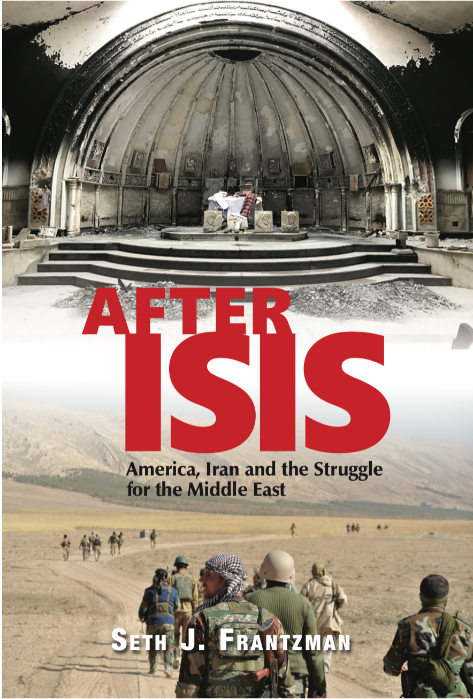
October 27, 2019 marked the death of infamous “Caliph” Abu Bakr al-Baghdadi. Once his demise had been confirmed, optimistic media voices asserted that the last chapter of the Islamic State of Iraq and Syria (ISIS) had been written. The western world very much wants to believe we are living in a new, post-ISIS era. But are we?
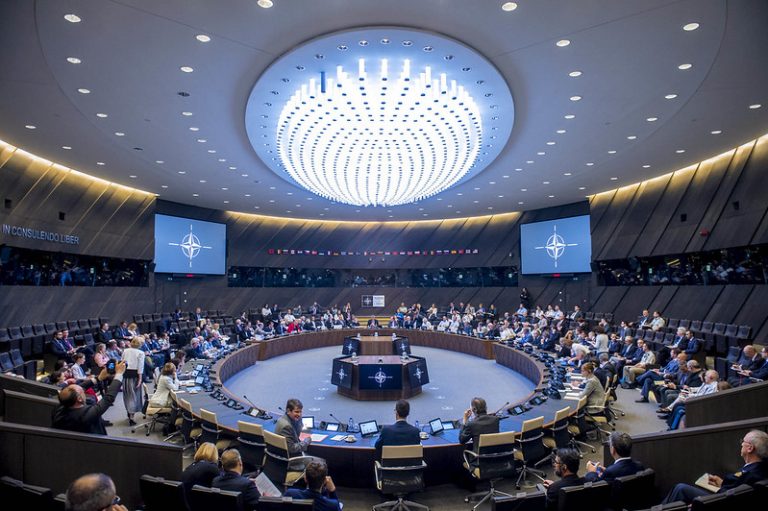
The recent urgent push by NATO to provide a defensive framework to Poland and the Baltic states is by no means a false alarm intended merely to shore up a sense of common purpose during a period of crisis. It reflects a serious threat that must be addressed.
Civil defense is a critical tactic that reduces civilian casualties during wartime. However, it is insufficient as a strategy with which to defeat an enemy. Israel has shifted in its use of civil defense from a protective tactic while the IDF achieves battlefield victory to a strategy of restraint that allows the enemy to launch attacks that cause few if any lethal casualties without fear of a devastating response. This is a dangerous development.
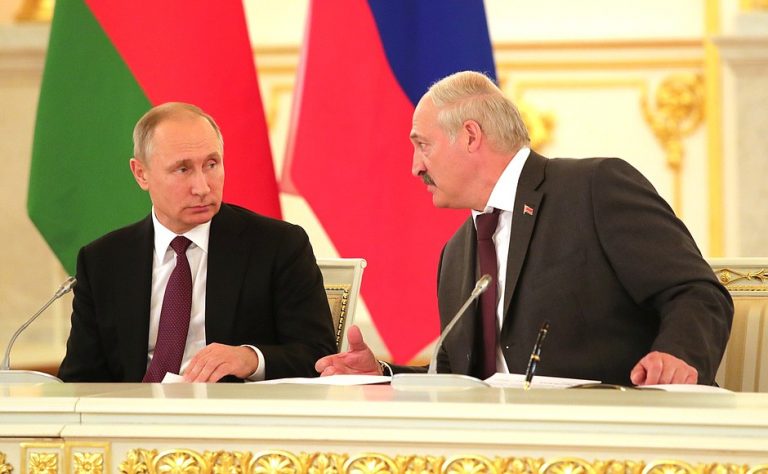
Russian foreign policy since the mid-2000s tends to be perceived in contradictory terms: as either a negative for Russia or the product of a grand strategic vision on the part of the Russian leadership. It is also often falsely perceived as representing a break with the past. Moscow’s foreign policy moves need to be viewed with a balanced perspective and should be placed in their historical context.
The revolution that took place in the Czech Republic thirty years ago was not just the work of Vaclav Havel and his Charter 77 followers. The spark was a KGB coup directed by General Secretary Mikhail Gorbachev. A Kremlin coup also helped spur revolutionary change in Germany. The late 1980s saw unprecedented power struggles within the Soviet elite and Politburo under Gorbachev.
Extreme instability and mistrust are heightening tensions in the Persian Gulf, especially between Shiite Iran and Sunni Saudi Arabia. America’s appetite for military engagement has waned after nearly two decades of war and the region lacks any form of collective security framework, leaving a considerable security vacuum. The Gulf states’ overtures to Israel are part of an effort to salvage America’s security commitment to the area while shoring up a relationship that can mitigate Tehran’s rising influence.
Iran has made impressive human development gains (even as it has suppressed human rights) in the last two decades under the ayatollahs. Just as expectations rose after the signing of the nuclear deal, those achievements tapered off and might even be in reverse. This could explain the social unrest roiling the country.
In a recent press conference, Defense Minister Naftali Bennett presented a goal for IDF activity in Syria: “To cause Iran to give up its attempt to entrench itself in Syria.” Unlike the common tendency toward ambiguity in defining strategic objectives, Bennett dared pronounce a clear and measurable goal. But is the goal he presented achievable? And is it right to declare a strategic goal in that way?
A recent study recounts the purportedly unknown story of Palestinian Arab volunteers fighting the Nazis during WWII. Haaretz used this finding as an opportunity to mock PM Benjamin Netanyahu, who has pointed out that the Mufti of Jerusalem was a close ally of Hitler. Yet the Mufti’s position as “the most important Arab Quisling” is indisputable, while most of the study’s conclusions are dubious and inconsistent with historical facts.

Accessibility Toolbar