Hamas

Tensions between Israel and Hamas are surging again following a string of attacks from Gaza and Israeli retaliatory airstrikes. The reason is simple: Hamas is struggling to manage Gaza economically, it refuses to divert funds from its military wing to civilian needs, and the Strip’s infrastructure is eroding at an alarming rate. Only brinksmanship with Israel can extricate Hamas from the disarray it has created.
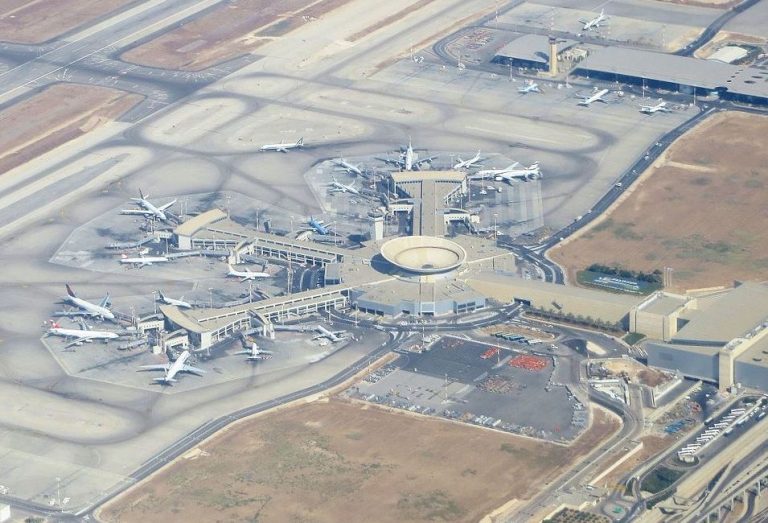
Hamas has repeatedly threatened to disrupt commercial flights to Israel, a threat intended to deter Israel whenever a violent round of hostilities erupts. This threat hearkens back to the flight ban that was imposed on Israel during 2014’s Operation Protective Edge following a Hamas rocket attack on Yahud. While the flight ban was more a reflection of the Obama administration’s desire to put political pressure on Israel than a reflection of genuine safety concerns, Israeli decision makers do seem to consider the Hamas threat to Ben-Gurion Airport to be viable. In fact, it is more a propaganda message than a concrete threat.
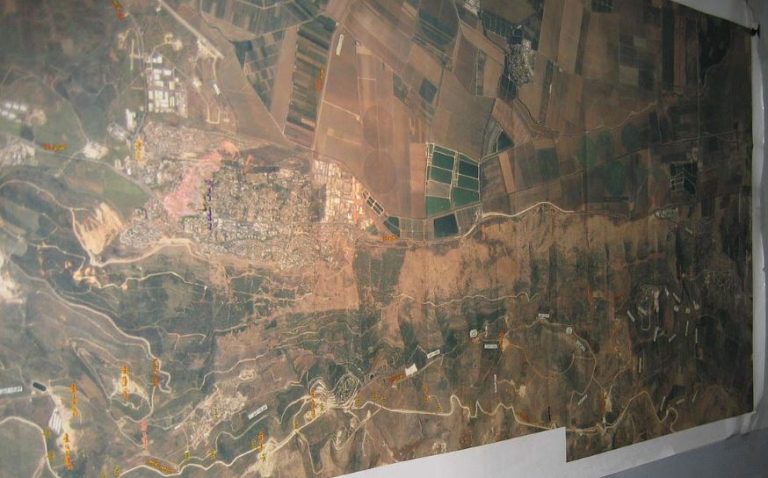
Israel’s decisions a) to contain Hamas’s continuous provocations rather than use them as a casus belli and b) to refrain from an immediate military response to the discovery of Hezbollah tunnels into Israeli sovereign territory in the northern Galilee highlight the issue of deterrence as a core factor affecting the Israeli image in the region. Assuming the current Israeli modus operandi is the product of rational and thoughtful staff work, it can be inferred that deterrence is no longer either a decisive factor or even a strategic goal in the asymmetric conflicts with Hamas and Hezbollah.
Time and again in recent decades, Iran has used its Islamic Revolutionary Guard Corps to attempt to deprive Israel of calm borders with its neighbors. As this problem is likely to recur in the context of the Gaza Strip, it is essential – and by no means impossible – to root it out from that area.
For over a decade, Israel has avoided deciding whether its interests are better served by maintaining the current “two Palestinian states” status quo, or by seeing Gaza rejoin the Palestinian Authority. The result is an untenable, chronic-crisis situation that empowers Mahmoud Abbas and is a lose-lose situation for Israel.
The claim that an agreement among the US administration, the Palestinian Authority, and the Egyptians to allow the PA to turn the financial screws on Hamas would culminate in the PA’s reassertion of control over the Gaza Strip could not be further from reality. In the Middle East, only armed force prevails.

Accessibility Toolbar