Iran

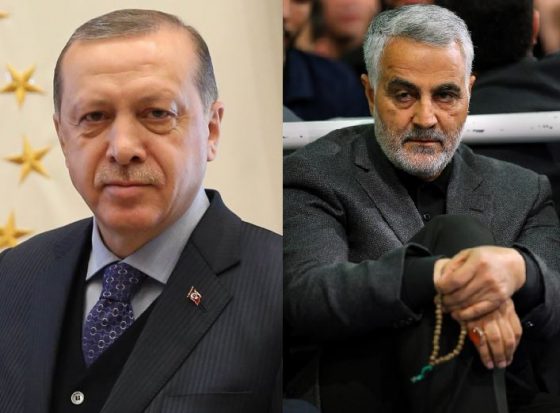
The Turkish Foreign Ministry’s belated statement in response to the Soleimani killing was dry in its language, reflecting the government’s confusion over what position to take. While the government is expressing itself with caution, the Islamist pro-Erdoğan press is expressing a wide range of often contradictory responses. The lack of clarity in Ankara over the Soleimani affair betrays Turkey’s directionless regional policy.
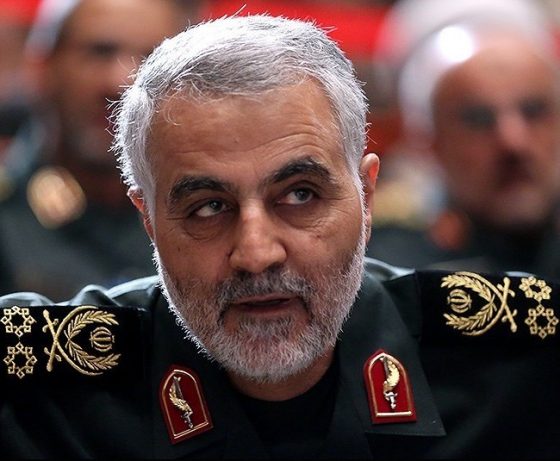
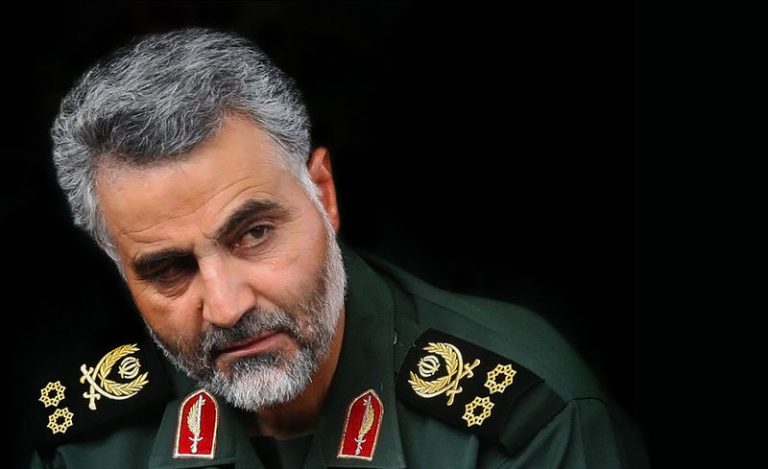
The targeted killing by the US of Qassem Soleimani, commander of the Quds Force and close confidant of Iranian Supreme Leader Ali Khamenei, has unsettled the region and the world. We have assembled initial takes on this event by five BESA researchers: Prof. Hillel Frisch, Prof. Eytan Gilboa, Maj. Gen. (res.) Gershon Hacohen, Dr. Doron Itzchakov, and Alex Joffe. 
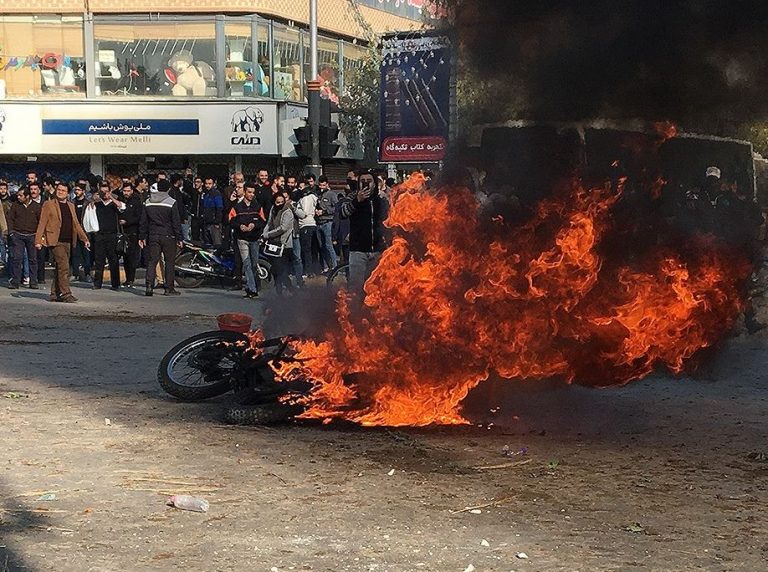
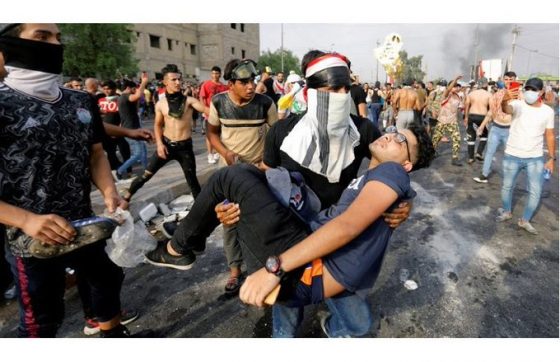
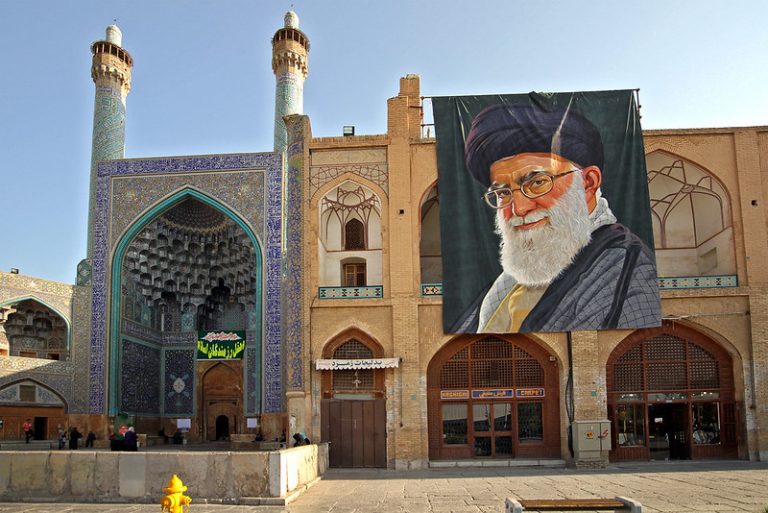
Iran has made impressive human development gains (even as it has suppressed human rights) in the last two decades under the ayatollahs. Just as expectations rose after the signing of the nuclear deal, those achievements tapered off and might even be in reverse. This could explain the social unrest roiling the country.
In a recent press conference, Defense Minister Naftali Bennett presented a goal for IDF activity in Syria: “To cause Iran to give up its attempt to entrench itself in Syria.” Unlike the common tendency toward ambiguity in defining strategic objectives, Bennett dared pronounce a clear and measurable goal. But is the goal he presented achievable? And is it right to declare a strategic goal in that way?
Israeli political and military leaders have warned against the possibility of a major military confrontation with Iran, which wants to deter Israel from disrupting its attempts to build military bases in Syria and Iraq and to construct factories in which Hezbollah can convert its huge arsenal of rockets into accurate missiles. This threat is more acute in light of the American failure to respond to recent Iranian provocations in the Gulf. Israel should adopt an aggressive new strategic approach to meet this threat, in coordination with the US and in consultation with Russia.     

Accessibility Toolbar