Russia

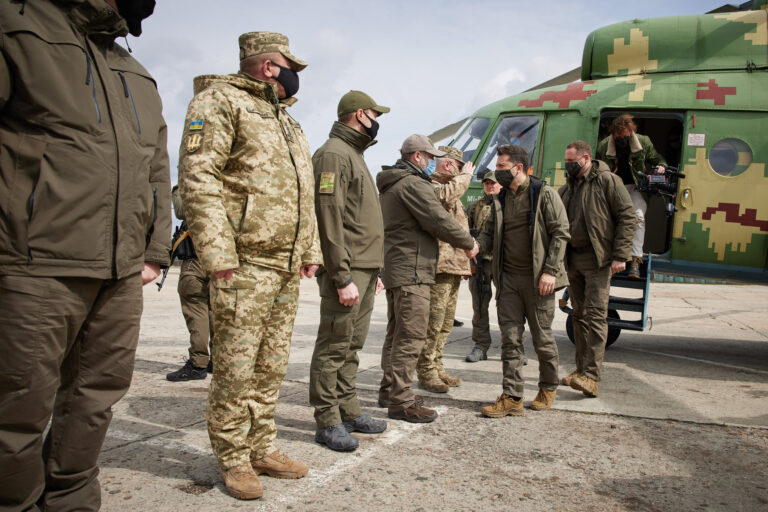
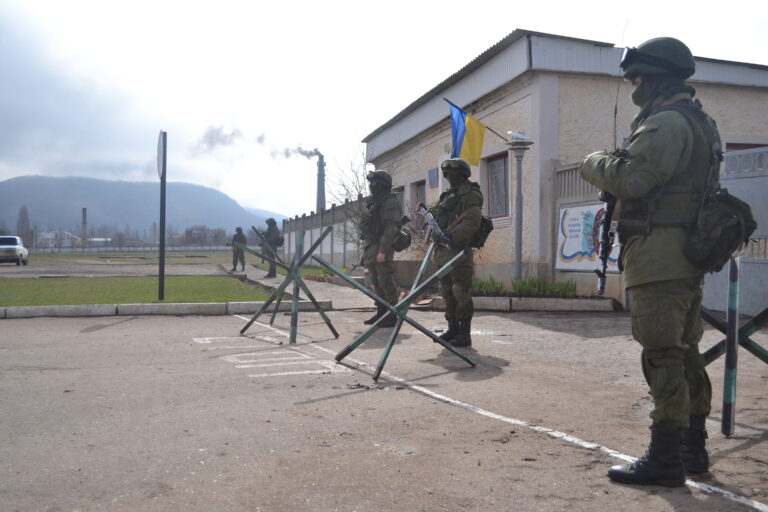
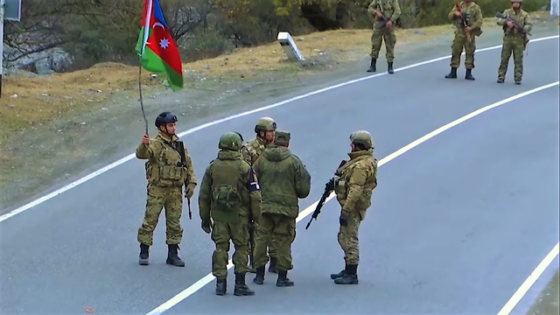
Many are still wondering whether Vladimir Putin’s massive troop deployment in conflict zones in the Donbas and the Crimean Peninsula in the spring of 2021 was preparation for eventual war and territorial gain or simply a public relations exercise meant to intimidate Ukraine and the West. The answer has to do with Putin’s main red line.
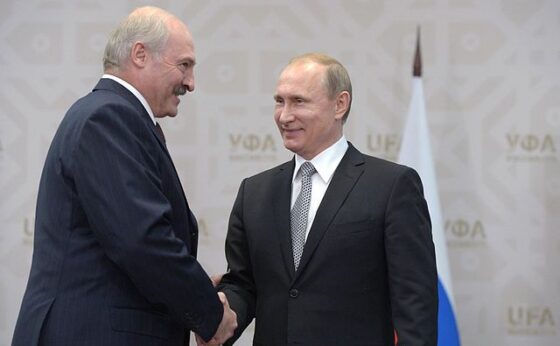
Belarus is growing increasingly isolated and is pushing itself more and more into Russia's embrace. Moscow is taking the opportunity to cement Belarus as a buffer state against Western geopolitical influence. But contrary to the established analysis, unless there is a real chance of a pro-Western government being installed in Minsk, Russia is unlikely to push for any radical scenarios, including full integration.
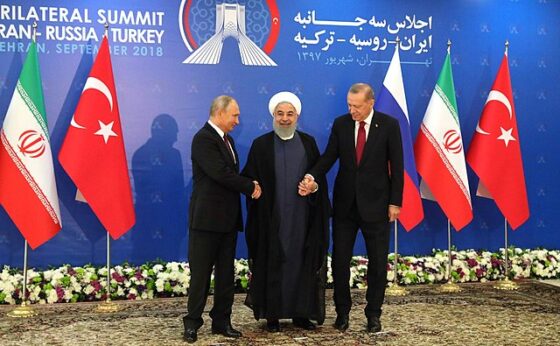
Iran, Turkey, and Russia are building a new model of bilateral ties. Unshackled by formal alliances, the trio is showing it can work together to limit Western influence while avoiding an overreliance on one another. This mixture of correlating and contradictory interests, which characterizes the new Eurasianist model of bilateral relations, is a product of the changing global order.
What Moscow is after with its renewed military pressure on Kyiv is unclear, but the long-term ramifications are discernible. With each passing year, it becomes more and more costly for Russia to undermine Ukraine’s efforts to build more effective military forces and a stronger economy.
The West is facing an increasing challenge from China. There are several ways to meet that challenge: expanding, restoring, and deepening relations across different regions of the world; taking a revolutionary approach toward Russia; and, most drastically, acting like the Chinese.
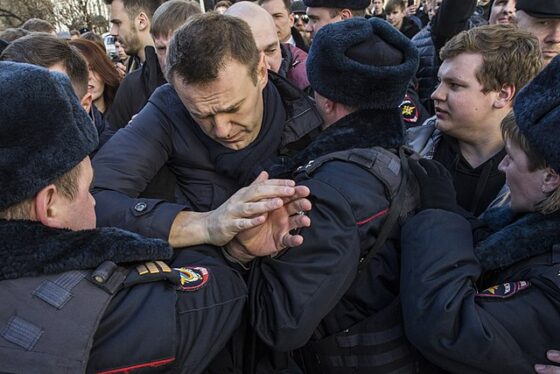
Having used brutal force to crush nationwide demonstrations in support of jailed opposition leader Alexei Navalny, President Vladimir Putin has now embarked on a new venture. By mobilizing a huge number of Russian forces at the eastern borders of Ukraine and in the annexed Crimea, he is refueling a conflict that has been simmering since 2014. Or is it all for show?
During simultaneous crises in Armenia, Belarus, and Kyrgyzstan, Moscow faced challenges that contained opportunities to reap geopolitical benefits. Moscow’s handling of these crises demonstrates that its policy toward its neighbors has evolved away from direct intervention and toward careful maneuvering, which is both face-saving and more geopolitically rewarding.
The near-murder of Russian opposition politician Alexei Navalny last August, his return to Moscow in January, and the resultant protests attended by tens of thousands in more than a hundred Russian cities raise the question of how long the Russian people will continue to tolerate President Vladimir Putin’s repressive acts against political enemies and rivals.

Accessibility Toolbar