Russia

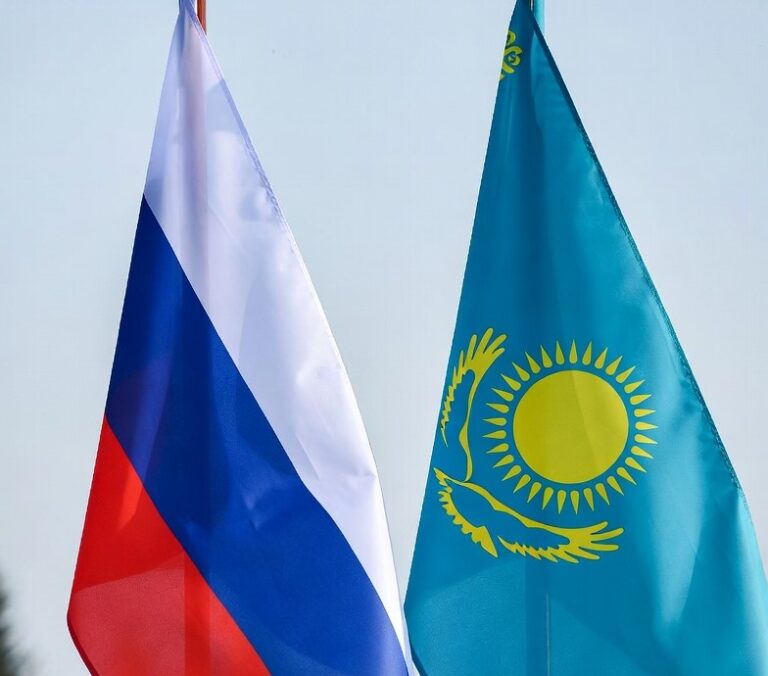
Kazakhstan is the second-largest state by area (after the Russian Federation) to have emerged as a result of the collapse of the USSR. At the time it gained independence, it was also the only post-Soviet state in which the titular nation constituted a minority. As a result of the large-scale colonization of its territory by non-indigenous populations, predominantly Russians, under the Russian Empire and subsequently the USSR, the share of Kazakhs declined from 81.8% to 30% between the censuses of 1897 and 1959.
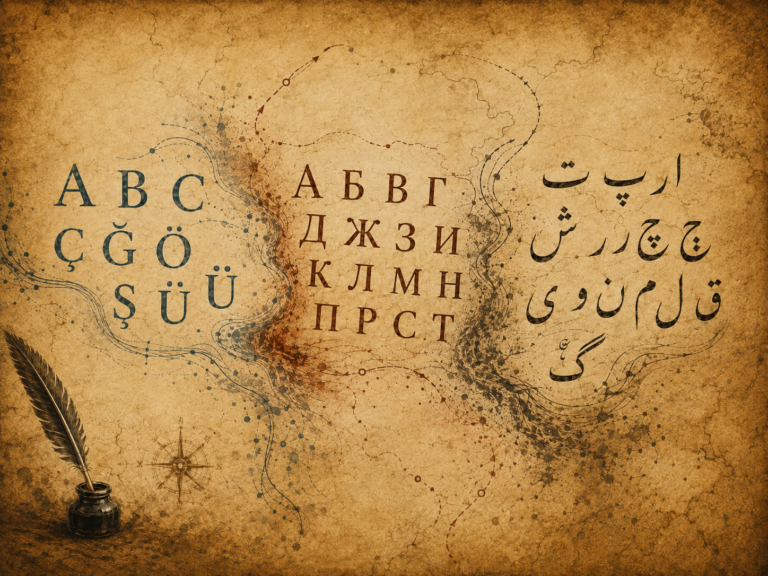
Written Sovereignty: Turkey, Russia, and Iran in the Battle Over Post-Soviet Scripts
Script is rarely a neutral technical choice in this region. Which alphabet a state teaches its children is a declared vector of civilizational allegiance — a public signal of which power it expects to matter for its future. This is what "written sovereignty" means in practice: not legal independence, but the ongoing, contested right to decide whose cultural gravity a nation writes itself into. Three powers are currently making competing claims on that gravity in the post-Soviet Turkic and Persianate world — Turkey, Russia, and Iran — and they are not equally equipped to press the claim.
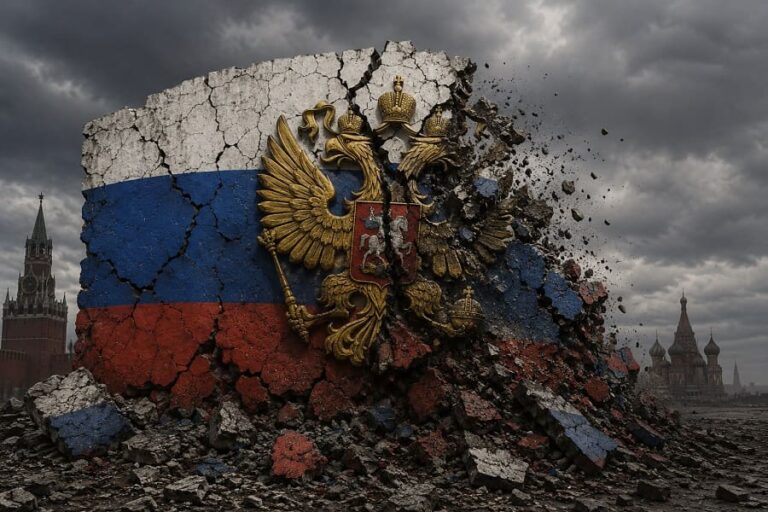
Kremlin Russia (AI generated)
The institution of indigenous small-numbered peoples (ISNP) in the Russian Federation represents a unique legal phenomenon, combining constitutional guarantees, special federal and regional legislation, and a system of preferences designed to compensate for the vulnerability of ethnic groups numbering fewer than 50,000 persons. However, as an analysis of public information for 2025–2026 demonstrates, the very status of ISNP, which presupposes the granting of special rights and benefits, generates multiple conflicts of various natures.
(AI generated)
The largest Ukrainian drone attack on Moscow since the beginning of the Russian-Ukrainian war, which took place in mid-May, became, in a certain sense, a symbolic event, demonstrating the Russian Army's inability to fully protect even the capital and its immediate surroundings. Against this backdrop, statements about the inevitability of Russia's defeat and possible disintegration as one of the consequences of such a defeat have become increasingly frequent. One of the prominent Russian opposition figures in exile, Garry Kasparov, co-founder of the Free Russia Forum, has repeatedly spoken about this possibility. Discussing the centrifugal forces that could cause the Russian Federation, in the event of a weakening central government, to lose some of the territories currently within its borders, the former world chess champion emphasized the civilizational differences between various parts of the Russian Federation.

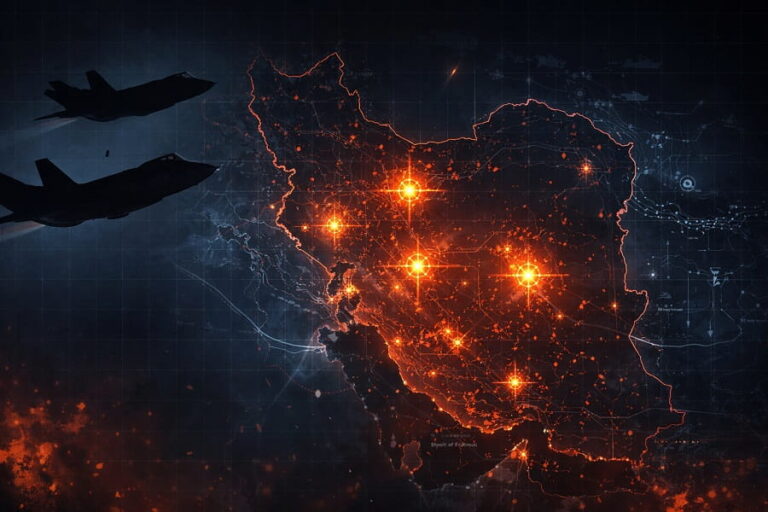
War in Iran (AI generated)
At the time this article was written, it was still unclear whether the White House intended to resume large-scale strikes on the infrastructure of the Islamic Republic of Iran — or whether it would heed the recommendations of the leadership of Pakistan, Qatar, and the UAE to continue negotiations with Tehran. It is clear that, in the event of a military decision, Israel would also join the United States — its leadership is unlikely to take such a step without a “green light” from Washington. For now, however, there appears to be no consensus on this issue within the U.S. president’s team.
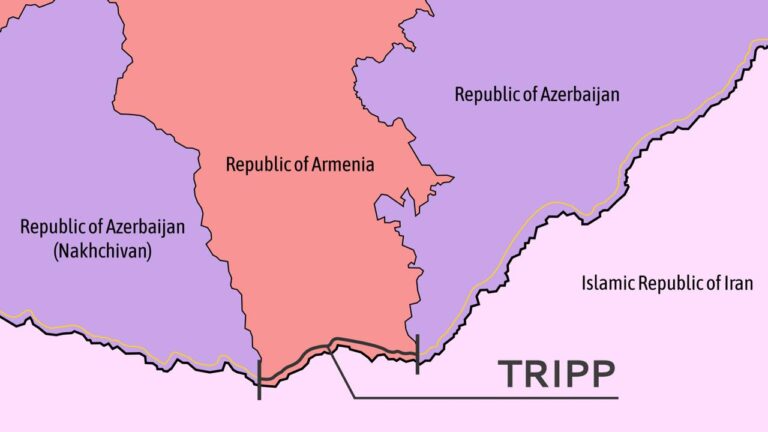
Russia against Armenia (AI generated)
With Armenian parliamentary elections set for June 7, Moscow has activated an unusually wide operational spectrum against Yerevan — ranging from clerical intelligence assets and a resident SVR station to a paid foreign lobbyist reportedly financed by Russian-based oligarchs and, most recently, a filmed death threat against Prime Minister Nikol Pashinyan. What looks, in isolation, like a series of domestic political pressures is, on closer inspection, a coordinated effort to replace a pro-Western government with one more amenable to Moscow’s preferences in the South Caucasus.
Kremlin Russia (AI generated)
Russia’s autumn 2026 elections cannot be characterized as routine. In many respects, they will constitute a plebiscite on the very survival of the “systemic opposition” model - a model that has endured without fundamental change for two decades. Even the Kremlin’s opponents do not dispute United Russia’s commanding electoral advantage. What remains in question is the architecture of the internal-systemic opposition to the party of power - an architecture that, by all indications, will look markedly different from the present one.
USSR old map (AI generated)
The dissolution of the Soviet Union was preceded by a promise, implicit in the logic of market transition, that integration into the global economy would deliver prosperity. For some successor states, that promise was kept. For others, it has not been kept to this day.
Zelensky and Aliyev (AI generated)
Volodymyr Zelensky’s April 25 visit to Gabala and his joint appearance with Azerbaijani President Ilham Aliyev produced six bilateral agreements spanning defense, energy, and trade — and positioned Baku as a prospective venue for trilateral Ukraine-Russia-U.S. negotiations. The episode crystallized a broader realignment already underway in the South Caucasus, one that Russian state media, wire services, and pro-war commentators struggled to process with composure.

Accessibility Toolbar