Russia

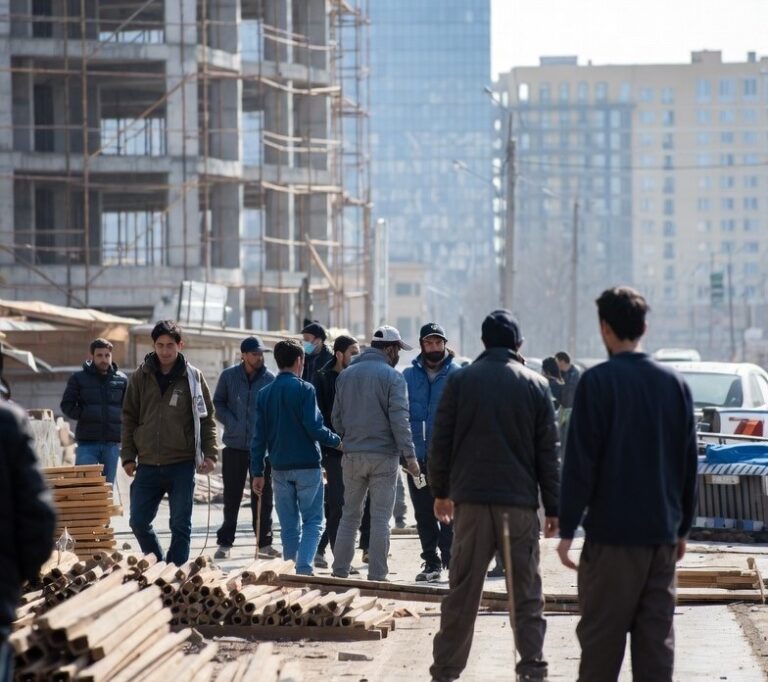
Vietnamese Gastarbajter in Russia -AI Generated
Legal labor migration has become a defining political dilemma for aging societies, and Russia’s search for solutions reveals striking historical parallels. Tracing the half-century formation of the Vietnamese diaspora, the report shows how policies designed for temporary labor repeatedly produced permanent communities instead. The experience of “Russian Vietnam” challenges current assumptions that migrants from the “far abroad” will simply work, leave, and leave no lasting imprint.
AI generated illustration
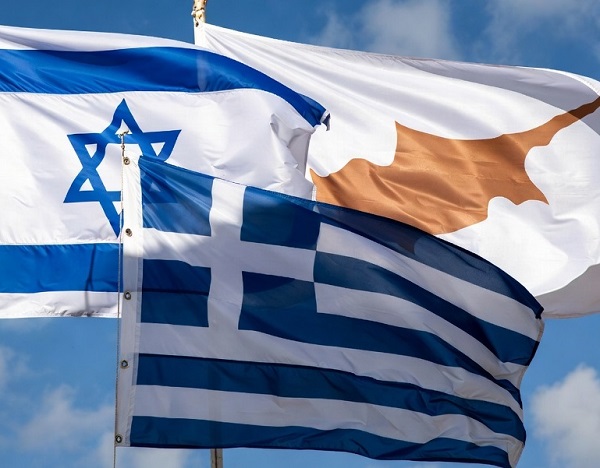
The revival of the Israel–Greece–Cyprus partnership reflects a broader realignment in the Eastern Mediterranean driven by Turkey’s expanding military posture, competition over energy routes, and debates on Gaza’s postwar future. These dynamics are embedded in larger connectivity projects such as IMEC and the Middle Corridor, while provoking sharp resistance from Ankara. Russia’s increasingly ambivalent stance suggests diminishing readiness to back Turkish ambitions as its own priorities shift toward Ukraine, Central Asia, and pragmatic engagement with Washington.
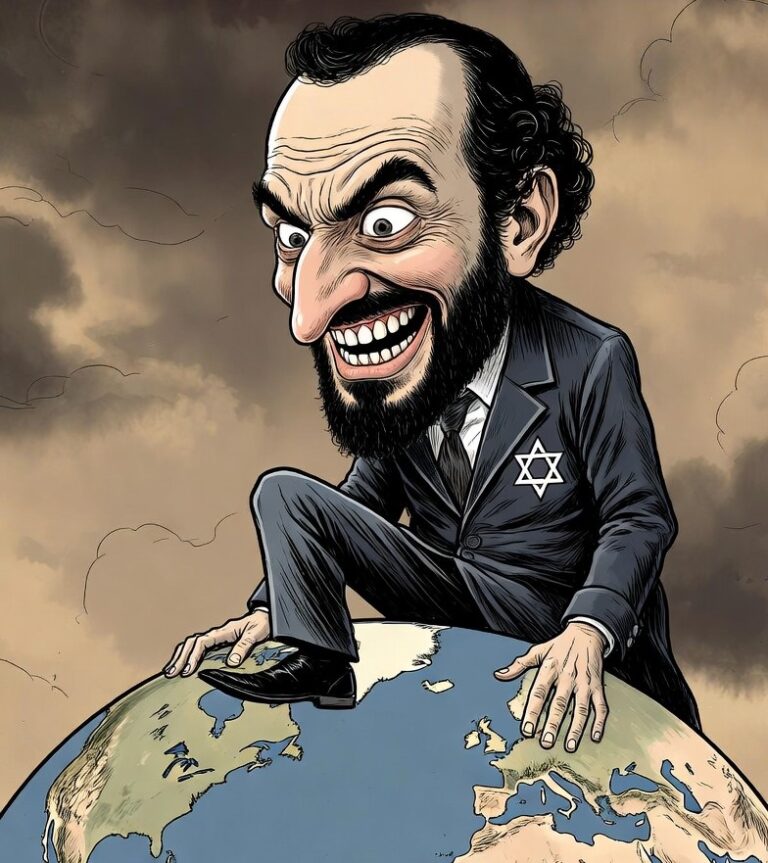
Antisemitic caricature (AI generated)
"Instrumentalization of antisemitism,” which means using this topic in isolation from real problems for political purposes, primarily to discredit opponents, has been used repeatedly in the post-Soviet space. Thus, since Russia’s succession and appending of the Ukrainian Crimea peninsula and active military and diplomatic involvement on the side of Eastern Ukraine separatists against the Ukrainian pro-European regime in 2014 and till now, both Kyiv and Moscow have viewed the Jewish world as a positive asset for the achievement of their immediate and strategic goals.
In the first part of our study we examined the social and political role of “SVO veterans” in the contemporary political and public landscape of Russia. We concluded that this role is not only significant—it is configurational and systemic, and it is not painted strictly in black or white. This article focuses on the other side of the conflict in southeastern Russia and Ukraine and presents an analysis of the social and political roles of veterans of the conflict within Ukrainian politics and society—today and in the near future.
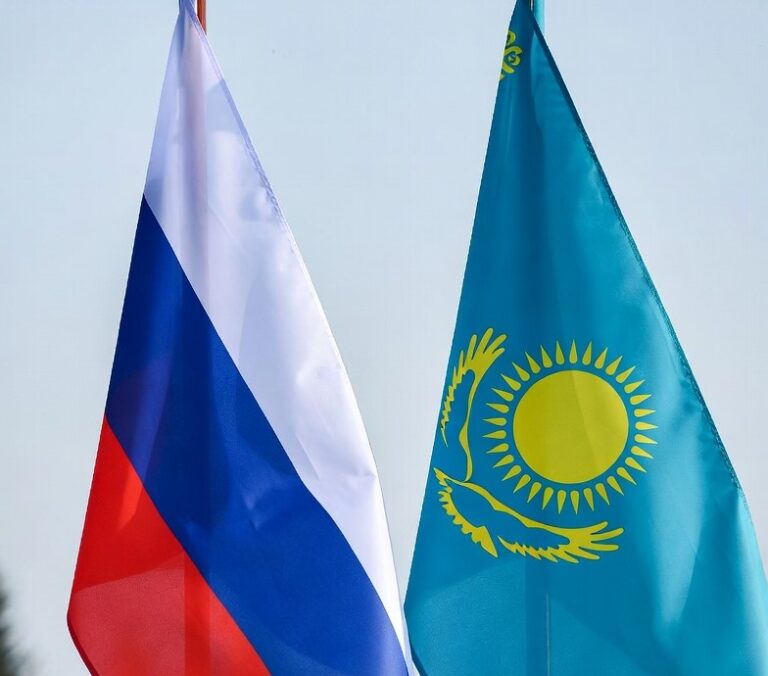
The return of Donald Trump to the White House has reenergized U.S. efforts to expand the Abraham Accords into a far more ambitious geopolitical framework. What began as a set of normalization agreements between Israel and key Arab partners is now evolving into a wider strategic architecture spanning the Middle East, the South Caucasus, and Central Asia. This report explores the opportunities and tensions emerging from this shift, with Kazakhstan’s unexpected early entry marking a significant new phase.
AI generated illustration
The ongoing military conflict in the south-east of Russia and Ukraine is producing consequences that extend far beyond the battlefield. With hundreds of thousands of servicemen simultaneously deployed, the scale of participation is generating deep structural shifts inside Russia itself. This report examines how the formation of a new, massive cohort of “SVO veterans” is beginning to reshape the country’s political, social, and administrative landscape in ways that will define its internal trajectory for years to come.
On October 1, 2025, the Parliamentary Assembly of the Council of Europe (PACE) initiated a new platform for dialogue with representatives of Russian democratic forces in exile. This development reflects a strategic shift in Europe’s approach toward engaging with the Russian opposition amid the protracted war against Ukraine and highlights the growing recognition that Russia’s internal political transformation will be essential for ensuring long-term European security.

Accessibility Toolbar