Russia

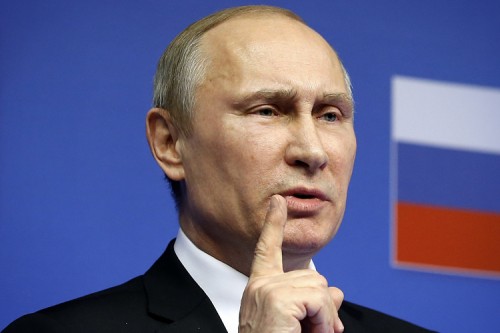
The adverse implications of US withdrawal from the Middle East are manifold, including: the acceleration of Tehran’s drive to regional hegemony, the palpable risk of regional nuclear proliferation following the JCPOA, the spread of jihadist Islam, and Russia’s growing penetration of the region. Manifest US weakness is also bound to have ripple effects far beyond the Middle East.
The desire of the international community to end the Syrian civil war is offset by the inability of any individual party to enforce its preferred solution. The conflict, which is likely to continue for some time, has solidified the centrality of Russia and Iran in regional affairs. Israel’s options are limited.
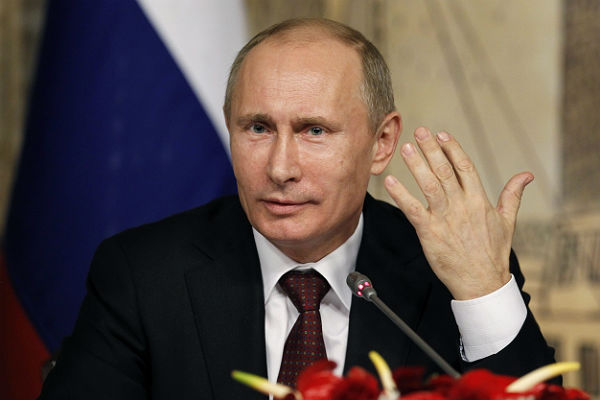
There is a contradiction between the ultimate purposes of Russia and Iran in their intervention in Syria. Putin’s concern for Assad's survival could give Israel some policy leverage, if Israel astutely navigates its way through the situation. This means that Israel should not be tempted to support Saudi-led efforts to unseat Assad or otherwise bring about a decisive outcome in Syria’s civil war.
For centuries, the Mediterranean Sea was the main arena for international interactions, before it was replaced by the Atlantic Ocean and subsequently by the Pacific. Nevertheless, as the historical meeting place between East and West, the East Mediterranean was the focus of significant superpower competition during the Cold War and still has strategic significance.

Accessibility Toolbar