Perspectives Papers

Perspectives Papers provide analysis from BESA Center research associates and other outside experts on the most important issues pertaining to Israel and the Middle East.

View Archive

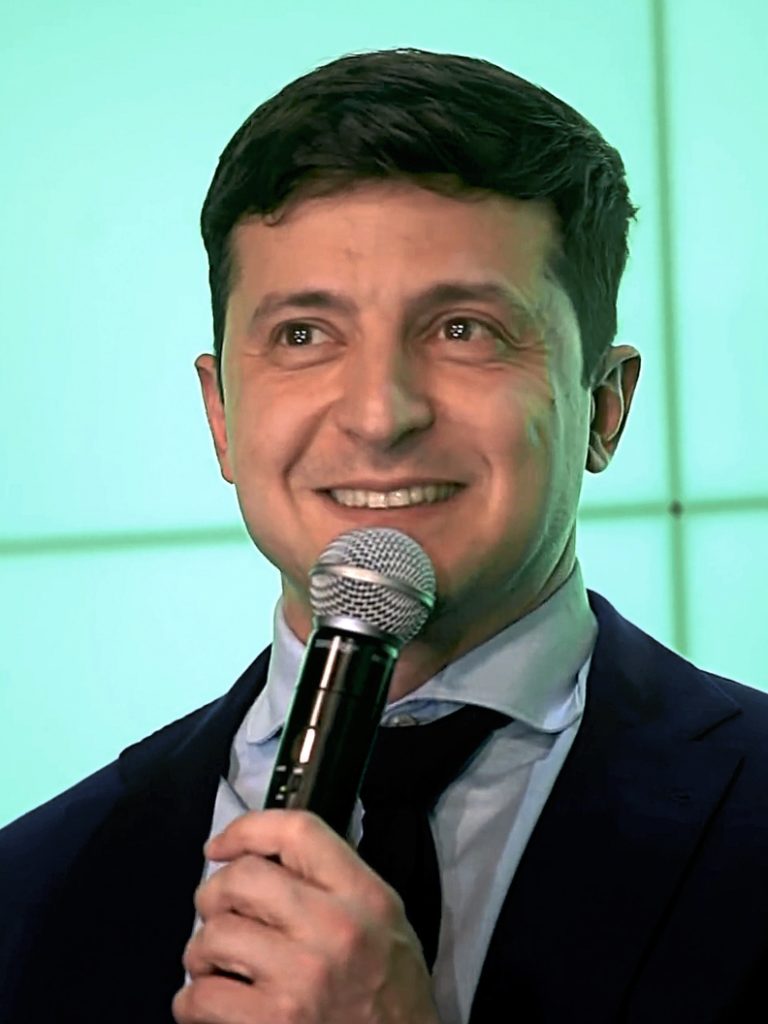
Ukraine has a new president, 41-year-old Volodymyr Zelensky. While some argue that Kiev’s policy toward Russia is now likely to undergo a significant positive change, geopolitical realities suggest the opposite. Ukraine-Russia relations might in fact worsen now that Moscow has eased the citizenship process for Donbas residents.
The €28.5 million Eurovision song contest, which draws 200 million viewers from 42 countries, might seem to be just a huge pop spectacle, but it is a good deal more. In addition to serving as an entertainment vehicle, it is a powerful mechanism of soft power – a tool that is critically important to the modern State of Israel and particularly to the city of Jerusalem. Europe’s refusal to allow the contest to be held in Jerusalem, in contravention of Eurovision’s own rules, constitutes a victory for the BDS movement.
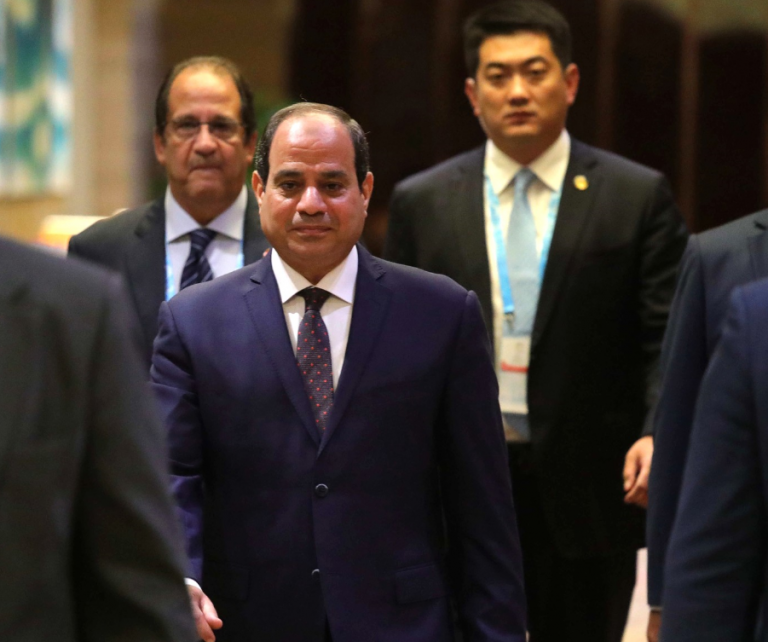
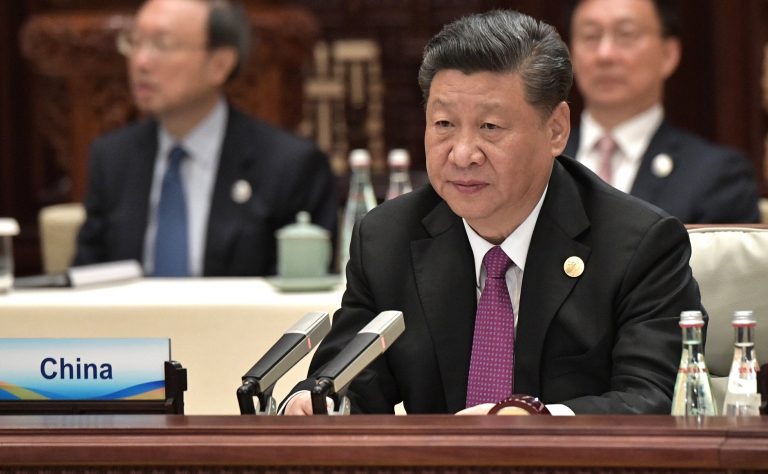
On April 25-27, 2019, Chinese President Xi Jinping convened a second summit of leaders and representatives from around the world to discuss his signature program, the Belt and Road Initiative. Xi’s keynote address revealed his take on Beijing’s trade struggle with the US as well as his approach to the concerns of poorer countries that lie along the initiative’s route.
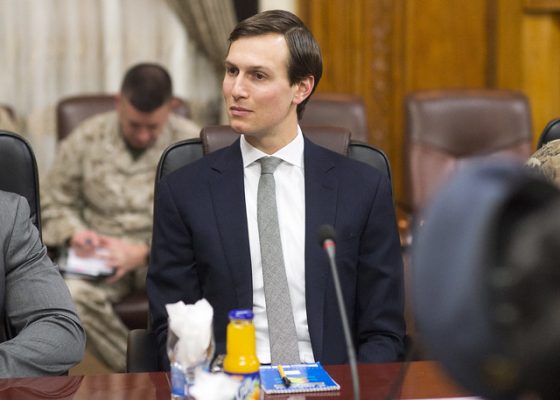
A recent report indicates that President Trump’s son-in-law and advisor Jared Kushner suggested that then Secretary of State Rex Tillerson and other policy makers read a January 2018 Wall Street Journal piece regarding the cutoff of American funding for UNRWA, the international agency for Palestinian ‘refugees.’ As authors of the piece referenced in the leak, we are flattered. With the administration’s much discussed peace plan to be announced in June, let us offer some last minute suggestions.
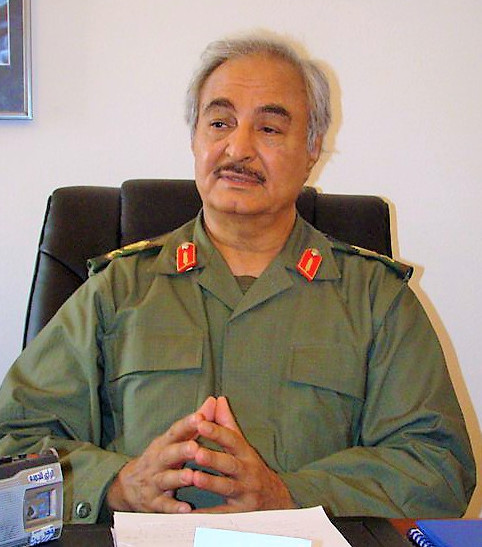
Libya’s battle for Tripoli alongside ongoing mass anti-government demonstrations that toppled autocratic leaders of Algeria and Sudan demonstrate that the popular Arab protests that in 2011 forced four presidents out of office – as well as the counterrevolution it provoked – are alive and kicking.
One tool of verbal demonization that is extremely difficult for Israel to combat is accusations of crimes it supposedly will commit in the future. These are far more difficult to contest than outright lies about current events. An example of this kind of manipulative lie is a remark in an interview by the outgoing French ambassador to the US, Gérard Araud, in which he said that Israel will officially be an apartheid state in the future.
Developments across northern Africa and the Middle East demonstrate that the drivers of the 2011 popular revolts that swept the region and forced the leaders of Egypt, Tunisia, Libya, and Yemen to resign not only continue to exist, but can still upset the apple cart at any moment. They suggest that the regional struggle between forces of change and ancien regimes and militaries backed by the UAE and Saudi Arabia is far from decided.
Hints from the Russian media show that more and more Russians are starting to question Moscow’s foreign policy during Putin’s 19 years of rule. Russia needs to reevaluate its position in the world: Should it focus only on the former Soviet space, or should it expand its vision of itself in a world where it might play a much grander role?

Accessibility Toolbar