Perspectives Papers

Perspectives Papers provide analysis from BESA Center research associates and other outside experts on the most important issues pertaining to Israel and the Middle East.

View Archive

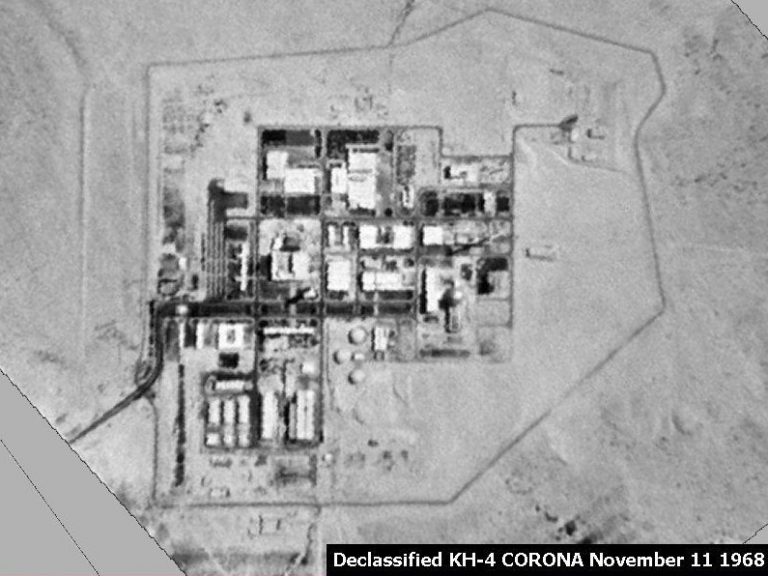
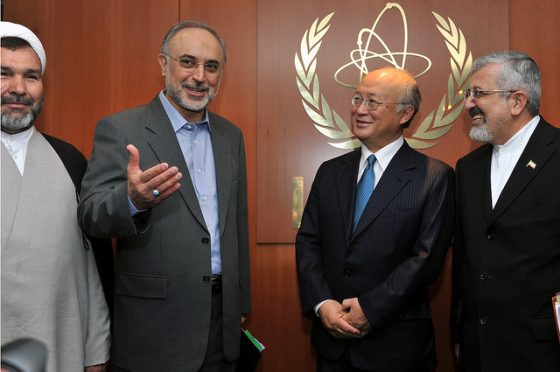
Israeli PM Benjamin Netanyahu’s appeal to Yukiya Amano, Director General of the International Atomic Energy Agency (IAEA), at the UN General Assembly in New York in September was met with a cold shoulder. The latest IAEA report claims that Iran continues to be in compliance with the 2015 JCPOA deal restricting its nuclear activities, despite the revelations by Israeli intelligence this year that showed Tehran’s clandestine military nuclearization. The Trump administration has promised that it will press the IAEA to examine the Israeli revelations.
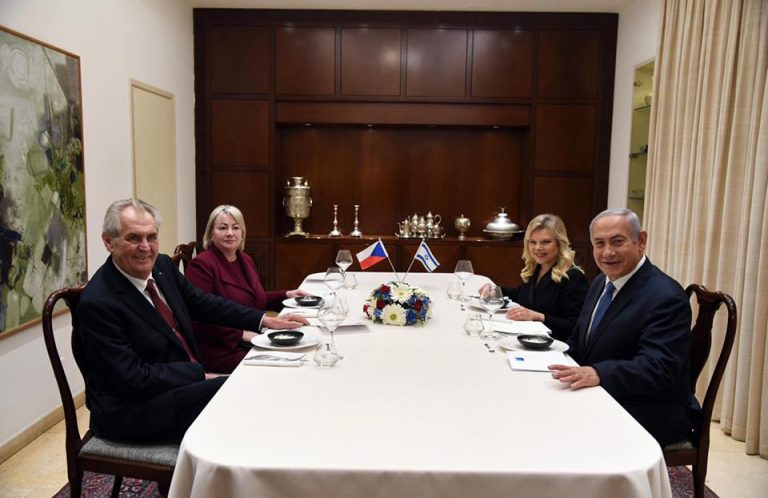
Shifts in perceptions among European Jews on where they feel safest is not due entirely to demographic change. It also has to do with Eastern European leaders like the Czech Republic’s Miloš Zeman, who, in the tradition of the country’s founder, Tomáš Garrigue Masaryk, has become not just a strong voice for his people but a true friend of the Jews.
Accusations of dual loyalty are the main anti-Semitic hate motif worldwide, as well as in the US. Extrapolating from poll data, it can be inferred that up to seventy-five million Americans might believe their Jewish co-citizens are more loyal to Israel than to the US. If that were true, the great majority of American Jews would likely have voted for Donald Trump, who is proving so far to be one of the most pro-Israel presidents in history. Yet only 24% of US Jews supported him in the 2016 elections, and in the newly elected Congress, a host of Jewish Democrat committee heads are expected to attack the president.
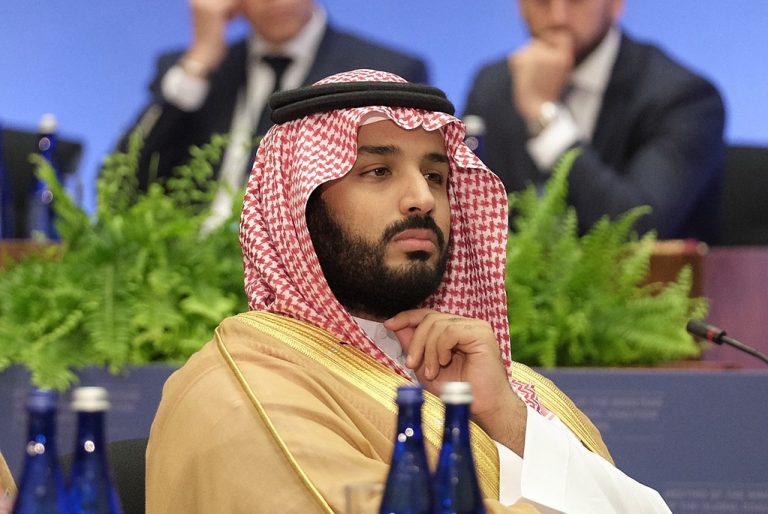
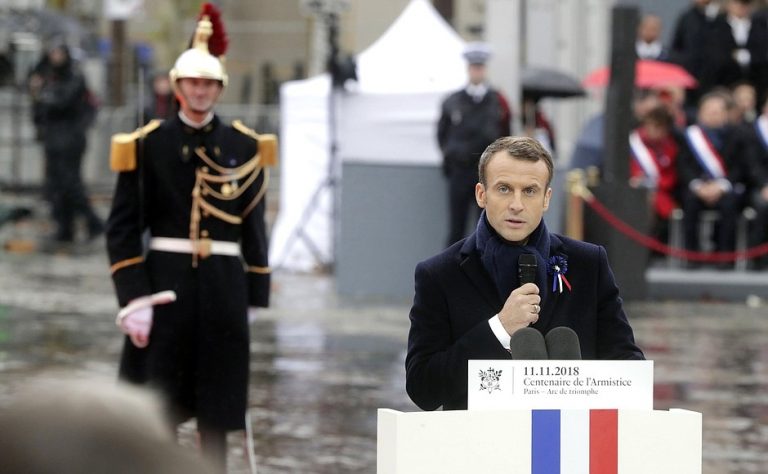
The killing of Saudi journalist Jamal Khashoggi has sparked multiple battles that are likely in coming months to shape relationships ranging from that between the US and Saudi Arabia to those among Donald Trump, his Republican party, the US Congress, and the US intelligence community. The fallout of the killing could also shape Trump’s ability to pursue his policy goals in the Middle East, including forcing Iran to its knees and imposing a settlement of the Israeli-Palestinian conflict.
Senior officials in the Trump administration have indicated that the sanctions recently imposed on the Islamic Republic were intended to significantly change its behavior. This declaration is inconsistent with its granting of an exemption to the eight countries – particularly China and India – that make up the bulk of Iranian oil exports. The administration's decision reflects, among other things, the desire to avoid a shake-up in global oil prices and a pragmatic approach that allows room for maneuver for countries that are not ready to immediately halt their purchases of Iranian oil. However, the decision is being interpreted by Tehran as a sign of weakness and an achievement for Iranian foreign policy.
The Institute for National Security Studies (INSS), led by Maj. Gen. (res.) Amos Yadlin, recently issued “A Political-Security Framework Strategic Action Plan for the Israeli-Palestinian Arena.” The gap between the INSS initiative and the basic principles expressed by PM Yitzhak Rabin is such that one might assume Rabin would have been fundamentally opposed to the initiative.

Accessibility Toolbar