Perspectives Papers

Perspectives Papers provide analysis from BESA Center research associates and other outside experts on the most important issues pertaining to Israel and the Middle East.

View Archive

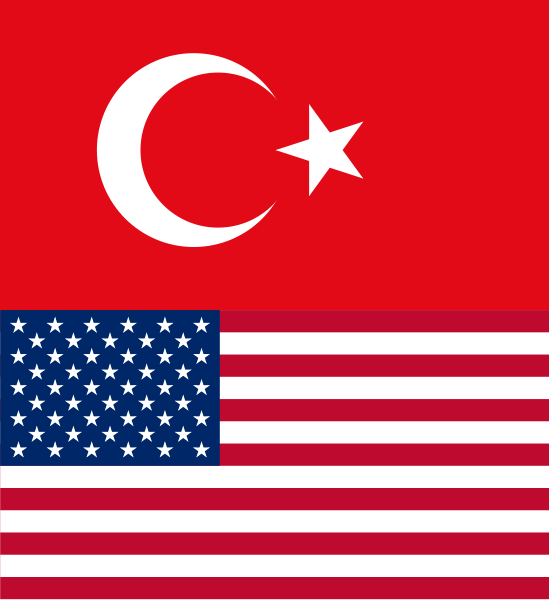
The present Turkish-American diplomatic crisis is fundamentally different from other such crises in 1964 or 1975. Turkish public sentiment in the 1960s and 1970s was largely pro-American (and anti-Soviet). Today, 79% of Turks have an unfavorable opinion of the US. Also, the earlier Turkish-American crises were largely single-case issues whereas the current one is multi-dimensional – and more difficult to resolve.
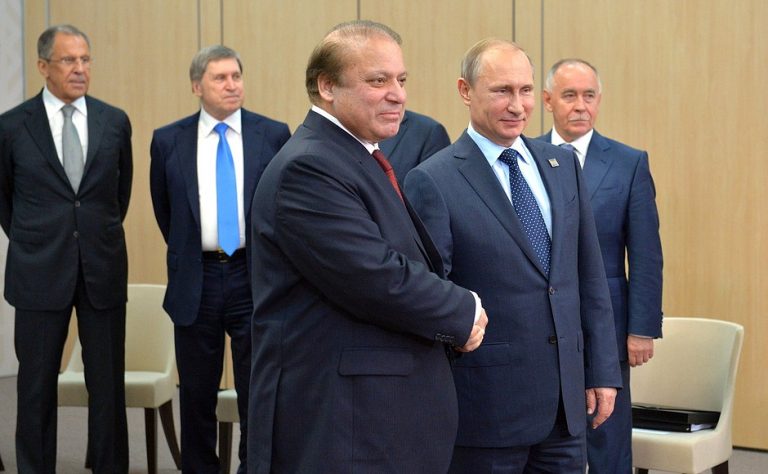
In a far-reaching development for India’s strategic interests, on July 31 Russia signed an agreement with Pakistan for naval cooperation. The agreement comes on the heels of an accord between Moscow and Islamabad in April of this year to increase cooperation in the training of armed forces personnel in the naval field and the conduct of a wide range of joint military exercises.
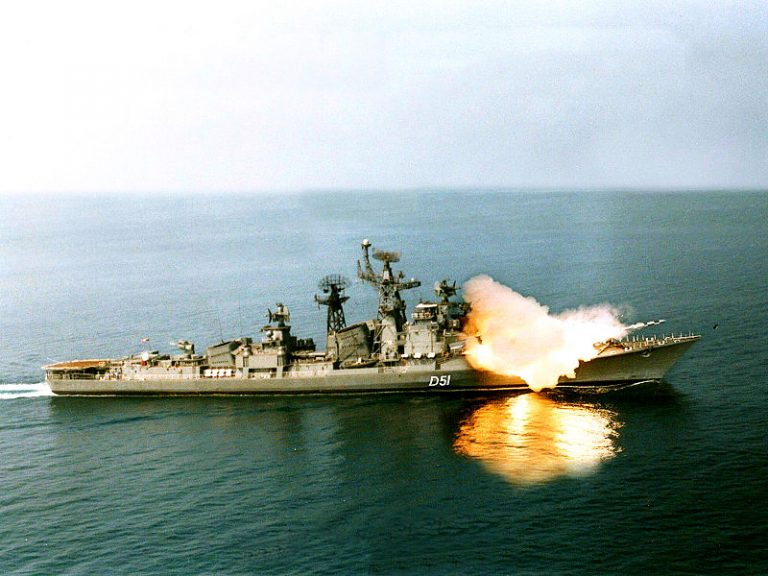
The Indian general election of 2019 will be a decisive moment for South Asia’s overall security. As India is a major power player in the region, the 2019 elections will pose challenges as well as opportunities for both India and its neighbors. Also, it remains to be seen whether India will be able to maintain its power position in the region in the wake of the recent election of Pakistani PM Imran Khan.
The next few weeks could be remembered in the annals of the Israeli-Palestinian conflict as historic. The US administration is due to decide at the beginning of September whether to stop its funding for the United Nations Relief and Works Agency for Palestine Refugees in the Near East (UNRWA). Such a decision could be as significant as Harry Truman's decision to recognize the State of Israel just 11 minutes after the Jewish State declared its independence in May 1948.
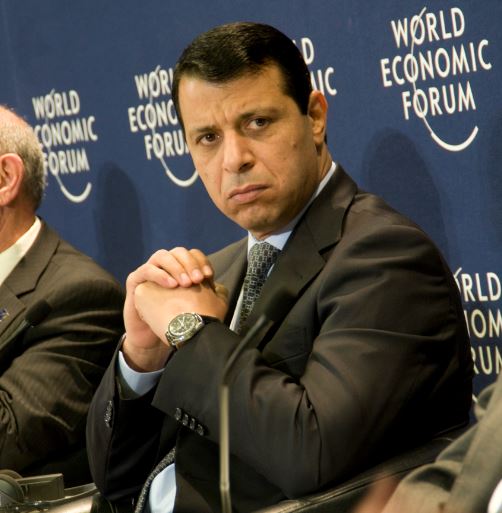
Recently, the human rights organization AGPS published a report documenting 3,840 cases of Palestinians killed since the beginning of the Syrian war in 2011 – nearly four times the number of those killed during the six years of the first intifada (December 1987-September 1993). The circumstances of the deaths were shelling, shooting, or torture in the interrogation rooms of prisons throughout Syria. Mahmoud Abbas remained silent and did not condemn Bashar Assad or Iran. Palestinian blood in the West Bank and Gaza appears to be worth far more than the blood of Palestinians elsewhere in the world. This is because Palestinians who are killed by IDF fire serve as a bulwark against Israel, whether by the Arab states or by the Western world.
Iranian leaders have said the future of the nuclear agreement (the JCPOA) in the wake of the US withdrawal will depend on the ability of Europe, China, and Russia to ensure that the impact of US sanctions is substantially blunted. While Europe’s resolve to do so is questionable, Russia, China, the UAE, and Oman appear willing to step in.

Accessibility Toolbar