Perspectives Papers provide analysis from BESA Center research associates and other outside experts on the most important issues pertaining to Israel and the Middle East.
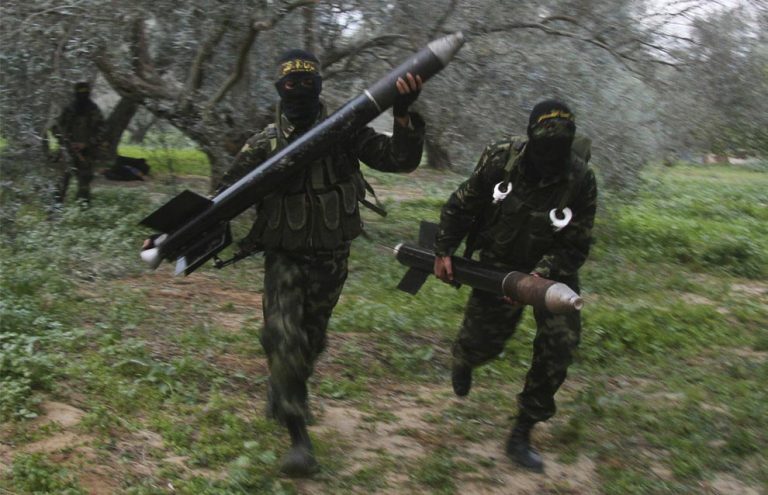
Hamas’s kite terrorism may not pose an existential threat, but by turning thousands of hectares of farmland into a wilderness and undermining Israel’s ability to provide peace and security for its frontier residents, it poses a threat that must be removed without delay.
Given Gaza’s sharp deterioration over the past 25 years – first under the PA’s rule (1994-2007), then under Hamas’s control – it is time to consider a new paradigm for resolving the Strip’s endemic predicament, and by extension the Palestinian-Israeli conflict. That paradigm could entail a Palestinian state in the Gaza Strip and northern Sinai, from Rafah to El-Arish, with the latter territory leased to the Palestinians on a long-term basis.
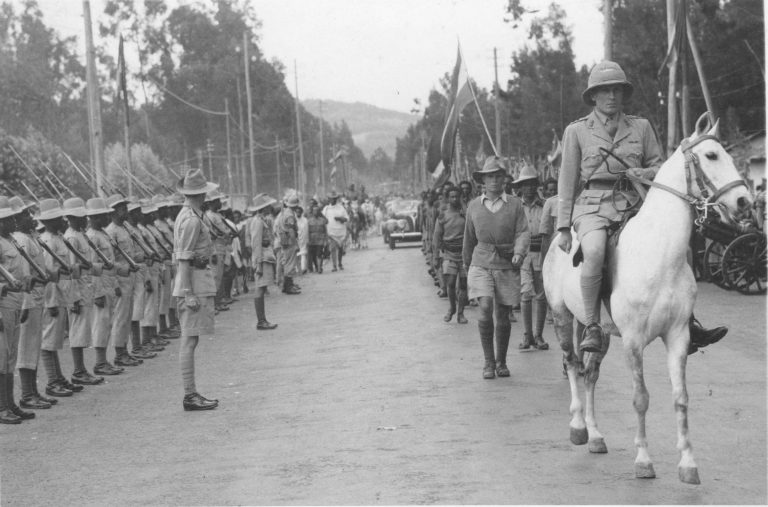
Orde Wingate’s approach to the liberation of Ethiopia from Italian occupation in 1941 provides a useful model for modern-day intervention in Syria. Rather than hand out money and materiel to local forces (à la the British support of the anti-Ottoman “Great Arab Revolt” of WWI), Wingate advocated committing one’s own forces and then allowing local forces to participate of their own accord. In Wingate’s view, loyalty bought with cash and weapons will always prove temporary.
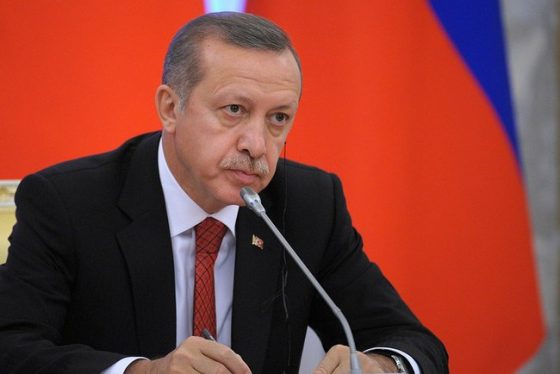
On June 24, Turkey will hold its sixth election in four years. The Turks will choose between augmenting what is practically one-man rule based on Islamist politics and returning to a regime based on the separation of legislative, executive, and judicial powers.
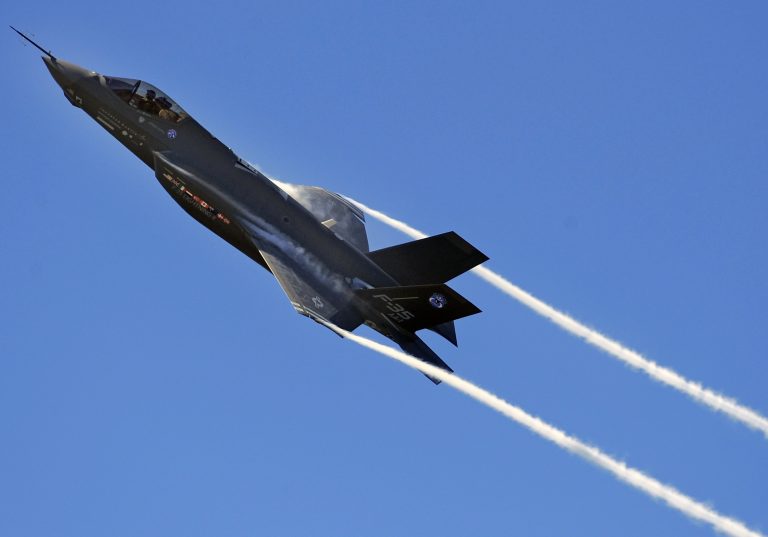
The divergence between the Trump administration’s desire to increase arms sales to the Middle East and the capacity limits of Arab clients for what the US currently markets makes the release of new types of advanced US weapon systems to the region more likely, which could undermine Israel’s qualitative military edge. While the administration’s global arms export drive may increase US-Israel competition for certain markets, it could also offer opportunities for joint arms export cooperation. Israel should be wary of following the American lead in relaxing export standards for approving arms sales.
An analysis of the British Labour party under the chairmanship of Jeremy Corbyn provides a panoramic view of many aspects of socialist anti-Jewish hate-mongering. The most extreme comments come disproportionately from Muslims, a subject that is taboo for the British media. The incitement is accompanied by a whitewashing of the party’s anti-Semitism problem, a whitewashing that is supported by a great majority of its members. The ongoing hate-mongering in the party has led to some unprecedented reactions by the British Jewish leadership.
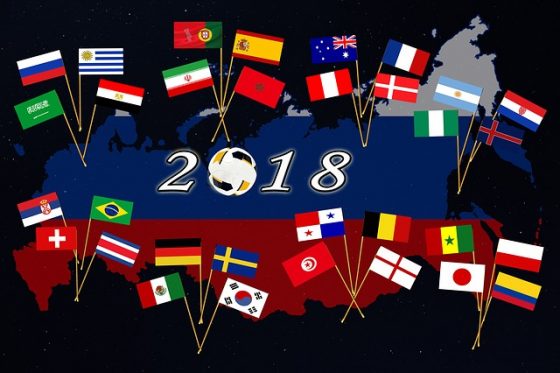
The simultaneous presence in Russia of the Saudi and Iranian teams for the 2018 World Cup is likely to shine a spotlight on the covert wars between Saudi Arabia, the United Arab Emirates, and Iran as well as on a related dispute over 2022 World Cup host Qatar, which did not qualify for this year’s tournament. Tensions will be present even if the kingdom and the Islamic Republic fail to meet face to face on the pitch.
The recent admittance of the Palestinian Authority (PA) to the Organization for the Prohibition of Chemical Weapons (OPCW) borders on the absurd. The PA has no access to chemical weapons technology and is not threatened by chemical weapons. Nor did it ever condemn the Halabja chemical weapons massacre of Iraqi Kurds by Saddam Hussein’s regime in 1988 or the multiple chemical weapons assaults on civilians by Bashar Assad's regime during the Syrian Civil War. If anything, the PA’s admittance to the OPCW is another step in the Palestinian campaign to win recognition from international organizations that can then serve as additional fora through which to censure Israel. Next, the PA might attempt to be accepted as a member of international nuclear organizations and conventions.
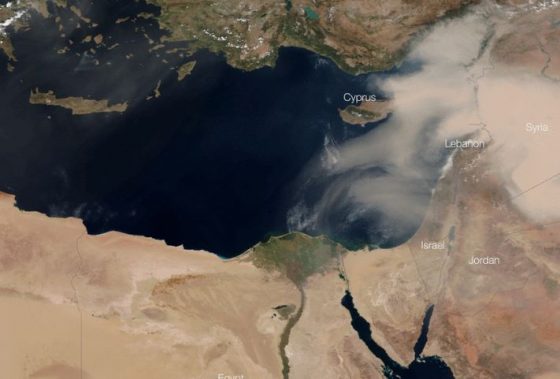
The geostrategic, diplomatic, and economic influence of the Eastern Mediterranean is more significant today than ever before. This creates opportunities for Greece, Cyprus, and Israel, but also increases the challenges and perils ahead.
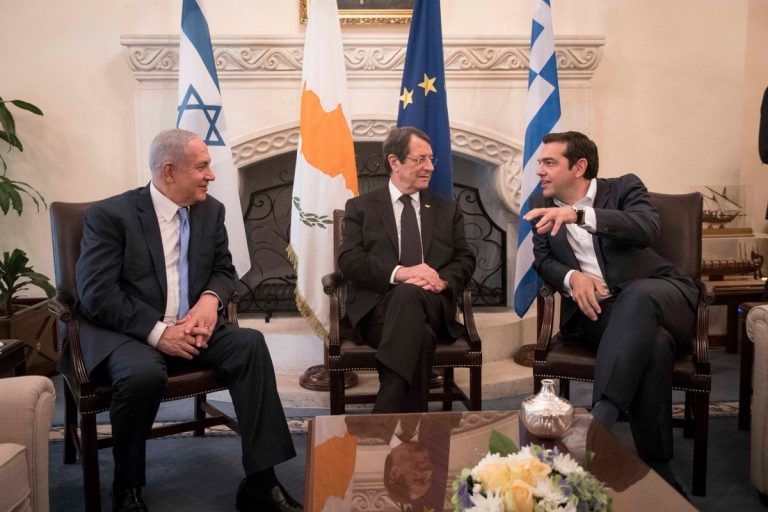
Cyprus, Greece, and Israel are steadily building a democratic geopolitical bloc in the Eastern Mediterranean. They are exploring ways to collaborate in fields ranging from energy to communication technology and defense. Greek-American and American-Jewish communities are exploiting the momentum to further boost the developing “triangle” and encourage US support. However, despite progress among the governments and the generally positive climate, warning signs of anti-Semitism in Greece underline the need for grassroots action to combine political achievements with wide public support.