Perspectives Papers

Perspectives Papers provide analysis from BESA Center research associates and other outside experts on the most important issues pertaining to Israel and the Middle East.

View Archive

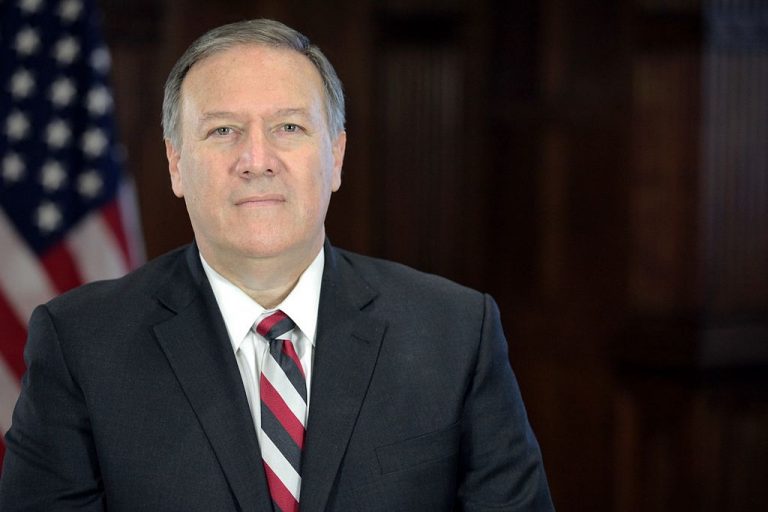
US Secretary of State Mike Pompeo's speech on May 21, 2018 was an important step in the realization of the Trump Doctrine. The 12-point speech outlined the administration’s nuclear nonproliferation strategy against Iran, which strives to exert constant pressure on Tehran so as to goad it into a new nuclear deal.
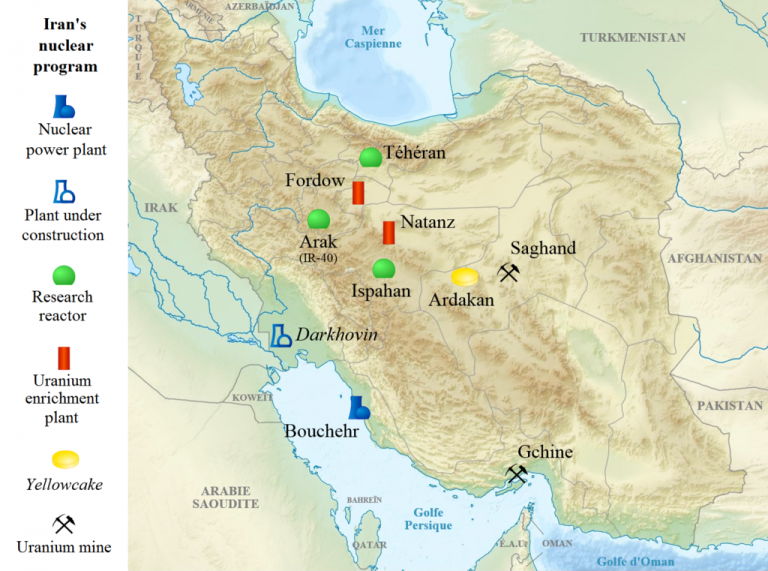
On April 29, satellite imagery showed irregular activity at Iran’s Fordow uranium enrichment facility, arousing suspicion that Iran is preparing to resume its activities. The Iranians had indeed threatened to do this if President Trump followed through on his plan to quit the 2015 nuclear agreement (the JCPOA). However, the unusual activity might simply be steps towards converting the facility to a civil research center for nuclear energy and physics, which would comply with the JCPOA.
Russia is experiencing an ever-growing number of reported HIV cases since the breakup of the Soviet Union. An estimated 1.5 million HIV cases are accompanied by a general decline in the Russian population that is expected to continue over the next several decades. A diminished population will directly affect Russia’s army, its military capabilities, and its economy, and thus its ability to position itself as a world power.
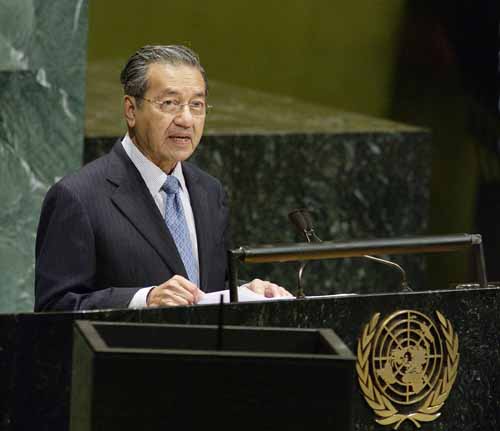
The 92-year-old Muhammad Mahathir has come out of retirement to become Malaysia’s prime minister once again. In his 2003 welcoming speech for the Summit of the Organization of Islamic Cooperation, he said the Muslim world was in a frontal confrontation with the Jewish people. The most extreme inciters against Jews and Israel have for many years come out of the Muslim world. Mahathir’s 2003 speech and the applause he received from political leaders from the 57 Muslim states present is a prime example of major Muslim anti-Israel incitement.
Now that Donald Trump has exited the 2015 JCPOA nuclear deal with Iran, there is more at stake for the other signatories than either their belief in the deal’s virtues or their eagerness to salvage economic opportunities. Maintaining the deal without the US would deliver a severe blow to American credibility and perceptions of US power. China has long experience circumventing sanctions regimes, but the environment surrounding the reimposed sanctions is likely to be unusually confrontational.
The spat over Saudi Arabia’s refusal to support a Moroccan bid for hosting rights of the 2026 World Cup tells the tale of the rise of individual country nationalism at the expense of Arab solidarity, Saudi determination to safeguard its alliance with the US at any cost, and creeping Saudi and UAE efforts to strong-arm countries into supporting their 11-month-old diplomatic and economic boycott of Qatar.
The Iranian leadership has claimed a great victory for the Hezbollah-Amal alliance, which it backed, in the recent Lebanese parliamentary elections. But Lebanese elections are a travesty. In that country, the will of the people is completely distorted by gerrymandering engineered by Hezbollah and its mentor, Iran.
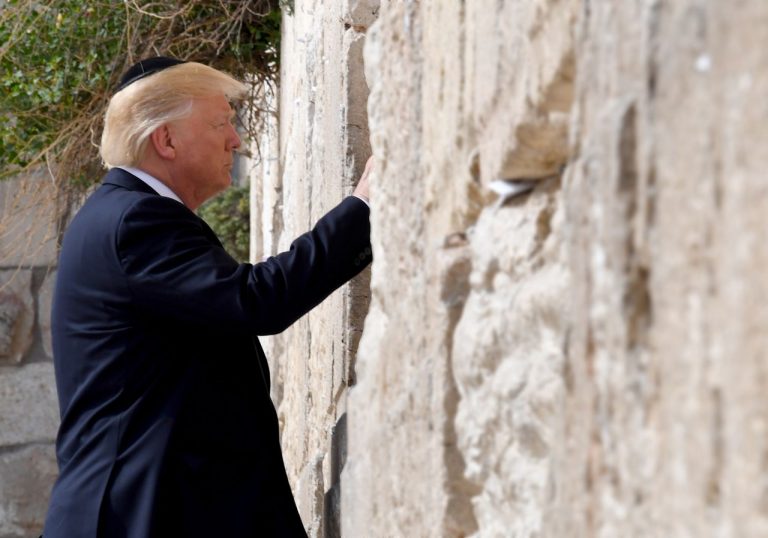
Jerusalem has been the capital of the state of Israel since 1949. Most states, however – including the US – chose not to recognize Israel's capital and located their embassies in the Tel Aviv area. There has never been any reason to deny recognition of West Jerusalem as Israel's capital, either before or after the 1967 Six-Day War. The failure to recognize Israel’s capital is thus a unique diplomatic anomaly. In election campaigns, successive American presidents have promised to transfer the US embassy from Tel Aviv to Jerusalem, but failed to live up to that commitment. Congress demanded recognition and transfer but to no avail. President Donald Trump dramatically changed this pattern by recognizing Jerusalem as Israel's capital and ordering that the US embassy be moved there.

Accessibility Toolbar