Perspectives Papers

Perspectives Papers provide analysis from BESA Center research associates and other outside experts on the most important issues pertaining to Israel and the Middle East.

View Archive

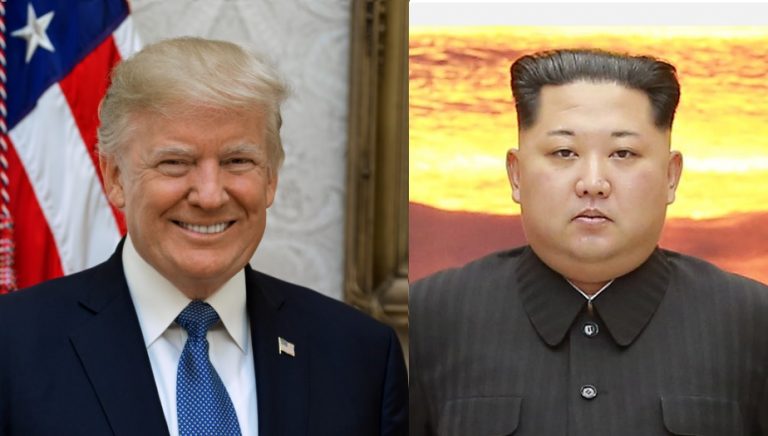
US President Donald Trump is expected to meet Kim Jong-un within two months. The Trump administration has little time to prepare, and it is unclear which Korean experts will be involved. It is also impossible to predict how Trump’s negotiating style will be received. Pyongyang will not give up all its nuclear weapons immediately. Kim will likely propose a phased negotiation and a step-by-step denuclearization on condition that the regime’s safety is guaranteed and the US-South Korean alliance is denuclearized beforehand.
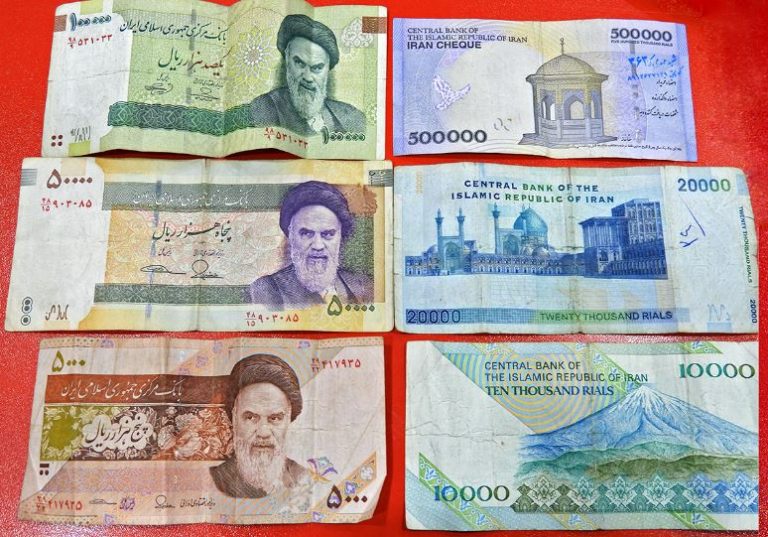
The sharp decline in the value of the Iranian currency is causing upheaval in the Iranian economy and challenging the government and the banking sector. The local currency’s plunge to a rate of 6,000 tomans to the dollar, despite the high level of oil and gas revenues, reflects a lack of trust between the citizens and the banking system. A consideration of Iran’s economic policy sheds light on the limitations of the “dual economy” practiced by the Islamic Republic since its inception.
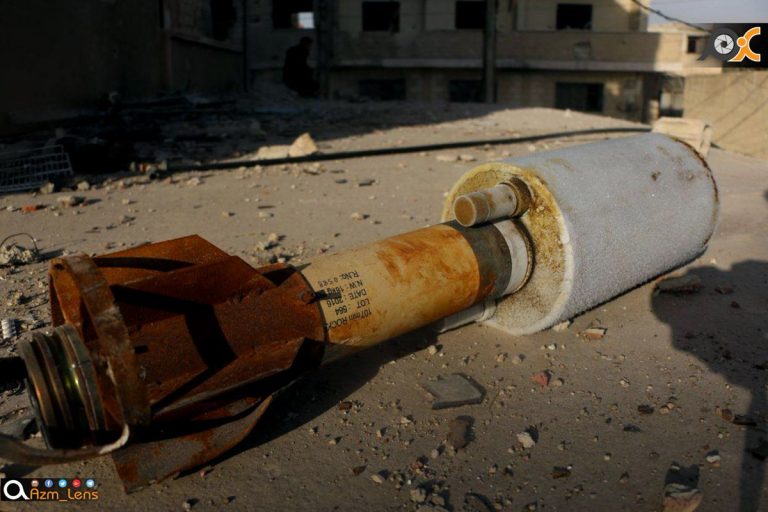
The attack on Syria’s chemical weapons (CW) sites wasn’t intended to influence the outcome of the war; it was designed to prevent the future use of CW.  This won’t save many lives, because regular bombs can kill as many people as CW. But ending the horrors of chemical warfare is a worthwhile and feasible international goal.  The way we react to the attack on Assad’s CW assets can affect the possibility of future use. We should applaud the international actions against Assad’s CW instead of complaining about what the attacks didn’t accomplish.
In thinking about deterrence-based national security, Israel must regard the country's nuclear and conventional threats as seamless and interwoven. This is because a recognizably capable and coherent conventional deterrent could prevent any too-sudden escalations to nuclear dimensions of conflict, and because a similarly capable and coherent nuclear deterrent could best ensure that adversaries remain suitably reluctant to menace Israel's existence. Moreover, because both interrelated forms of Israeli deterrence always require a presumption of enemy rationality – and because these enemies might not always conform to this reassuring presumption – Israel will have to develop a far more conspicuous doctrine for dealing with prospectively non-rational adversaries. While any such doctrine, inter alia, must include a broad variety of plausible preemption choices, there are conceivable circumstances wherein Israel's pertinent enemies would be judged irrational or potentially irrational, and where identifiable cost-effective preemption options no longer exist. At that eleventh-hour point of crisis, Israel's leaders would need to have ready certain still-promising security options other than deterrence (conventional or nuclear) or preemption.
The takeover of Turkey’s largest independent media group by an Erdoğan crony was not unexpected given the troubles and systematic state harassment suffered by the Dogan Media Company over the past decade. After the takeover, the opposition media will be limited to one large-circulation daily, a couple of small, left-wing newspapers, and a number of small digital platforms, with the third group now facing new pressure from the government.

Accessibility Toolbar