Perspectives Papers

Perspectives Papers provide analysis from BESA Center research associates and other outside experts on the most important issues pertaining to Israel and the Middle East.

View Archive

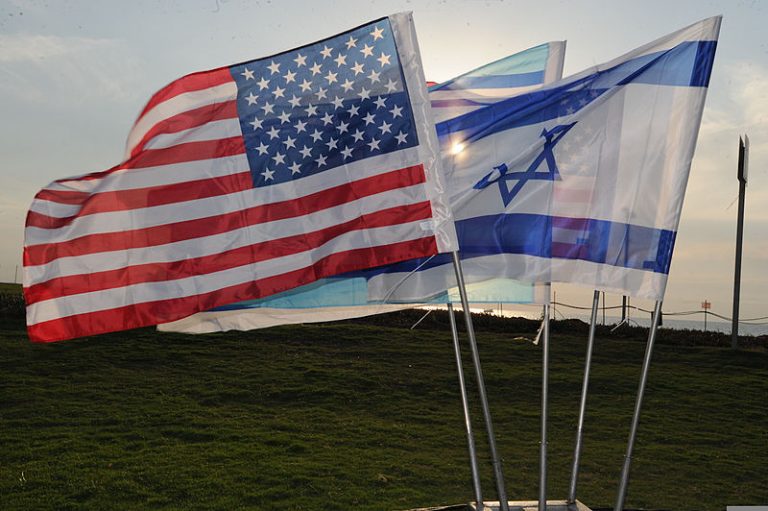
The American public has historically strongly supported Israel, especially since the 1967 Six Day War. This support substantially contributed to the establishment and development of a “special relationship” between the two countries. The Gallup Poll, the first and the most reputable polling organization in the US, has been measuring American attitudes towards Israel and the Arab-Israeli conflict since before the establishment of Israel. The long-term trends on several issues show constant growth in public support. The 2018 survey reveals record scores in favor of Israel, but also a few weaknesses.   
Hamas has failed because it is caught between two irreconcilable principles: establishing a modern, functioning state that provides for its citizens while at the same time maintaining a perpetual state of war against the Jewish State. Neither the PLO’s nationalist ideology nor Hamas’s religious nationalism have served the interests of the Palestinian people. Only emirates based on local clans can operate legitimately in the Palestinian-controlled territories.
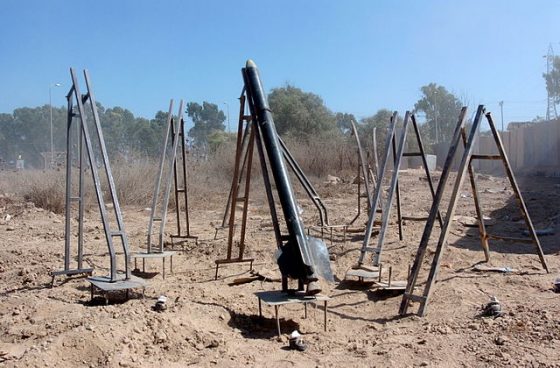
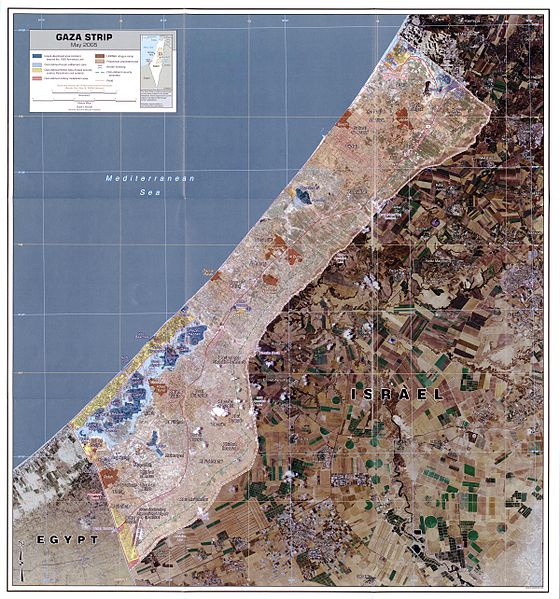
All Palestinian entities and organizations – from the PLO and PA through the factions, Hamas, Islamic Jihad, and the Salafi groups – have long sought to kill or maim Israeli Jews and damage or destroy their property. The March of Return in Gaza, the latest Palestinian innovation, is similarly intended to lead to bloodshed. Hopefully, Israel will be able to quash the event to save both Israeli and Palestinian lives.
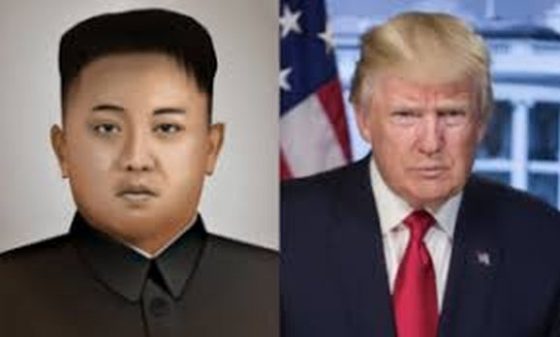
Should President Trump meet Kim Jong-un as planned, there are three key but achievable objectives that President Trump’s team should emphasize. These objectives fall short of complete denuclearization of the Korean Peninsula, but North Korea will never surrender its nuclear weapons or its ballistic missiles – not even if failure to do so leads to the starvation of much of its populace. Nevertheless, the objectives outlined here are both important and attainable.
Though Russia has been gradually increasing its economic and military influence in Lebanon, it is unlikely that Moscow is prepared to irreparably compromise its relations with Israel. Russia faces competition from other actors in Syria, and good relations with Israel can serve its interests there.
Turkish President Recep Tayyip Erdoğan has been the main beneficiary of a newfound feeling of glory among Turkey’s increasingly nationalistic masses. The main loser is the YGP, which has sought to consolidate control over Kurdish areas of Syria in the hopes of forging an autonomous state. But in the Syrian war theater, alliances are fragile and complex. Russia has given Turkey a limited free hand in its engagement in northern Syria, mainly in order to deepen Turkish-US and Turkish-NATO divisions. But Russia is not Turkey’s strategic ally.
Emmanuel Macron, France’s charismatic new leader, has adopted a proactive approach towards Iran that combines a moderate attitude with Sarkozy’s hard line. On the one hand, he supports the strict preservation of the 2015 nuclear agreement and opposes Trump’s ”fix or annul” view of the deal. He also supports tightened bilateral relations with Tehran. On the other hand, he has adopted a hard line, demanding the establishment of an international mechanism of inspection and sanctions on the Iranian ballistic missile program as well as a restriction on its destabilizing involvement in the region. Macron's demands have started a war of words between Paris and Tehran that has the potential to escalate.  

Accessibility Toolbar