Perspectives Papers

Perspectives Papers provide analysis from BESA Center research associates and other outside experts on the most important issues pertaining to Israel and the Middle East.

View Archive

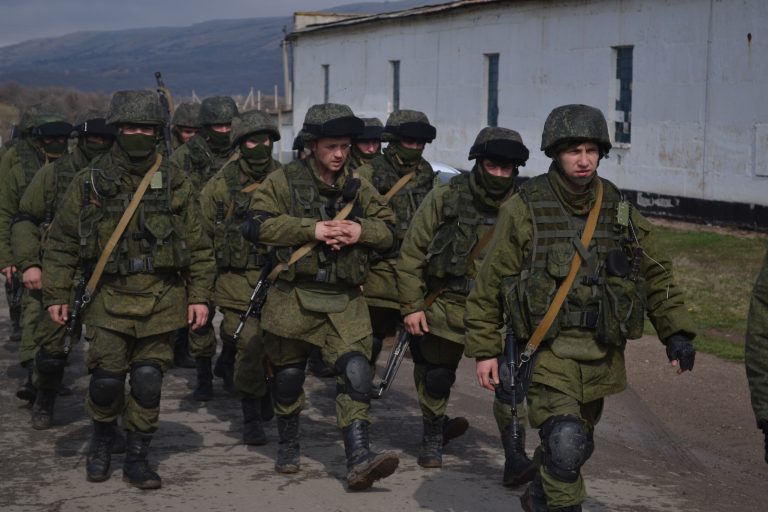
The Russian annexation of Crimea in 2014, the downing of a civilian aircraft, and the Russian military aggression in Ukraine were serious violations of the international order that required a powerful response from Western powers. But what is the right response to such provocations – and who might be affected other than the intended target?
Modern-day anti-Semites channel their Jew-hatred into the more politically correct avenue of so-called anti-Zionism. By conflating Zionism with racism and alleged human rights abuses, they attempt to delegitimize the very existence of the state of Israel. But their indignation, no matter how persistently or how shrilly it is expressed, cannot alter the legitimacy of the Jews’ return to their ancestral homeland. The reborn state of Israel has effectively settled the matter of the “Jewish Question.”
There is much logic in the British desire to leave the EU, but its approach to the Brexit negotiations needs to be far more sophisticated. There is a strong similarity between the Brexit deal and huge transnational corporate merger and acquisition negotiations. Given their far greater experience in complex financial negotiations and how to prepare for them, investment bankers could have a major advantage in assisting the politicians acting on behalf of the UK in the Brexit negotiations.
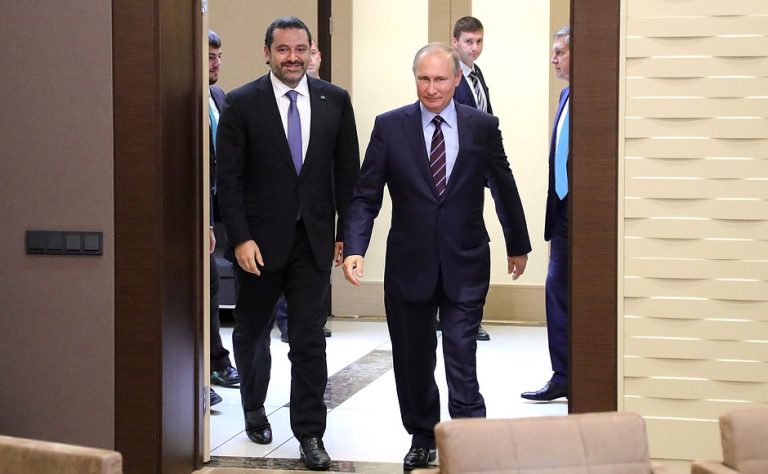
The widely criticized attempted resignation by Lebanese Prime Minister Saad Hariri backfired as a political move against Iran for two reasons: first, because Hezbollah is already largely in control of the Lebanese government; and second, because the Saudis, who backed the move, have little leverage inside the country. Continuing efforts to effect similar change inside another Iran proxy, Qatar, are bound to fail for similar reasons. In order to succeed, the Saudis and their allies should build authentic relationships with potential supporters and create an environment receptive to their interests.
The Eastern Mediterranean has entered a new period of high volatility, with Israel and Greece in the eye of the storm. Both countries are facing an upgraded strategic challenge from Turkey and Iran. This is not simply an interstate problem but a broader crisis that will influence the future geostrategic physiognomy of the Eastern Med.

Accessibility Toolbar