
Perspectives Papers

Perspectives Papers provide analysis from BESA Center research associates and other outside experts on the most important issues pertaining to Israel and the Middle East.

View Archive

The new National Security Strategy of the US enumerates the major problems and challenges facing the US and its institutions, as well as the policies Washington plans to adopt to carry out its foreign policy agenda. Though the major thrusts of the document are relatively close to what US statesmen have expressed over the past few years, it can be argued that the new strategy signals a significant development in the US approach to foreign relations: the return of geopolitics.
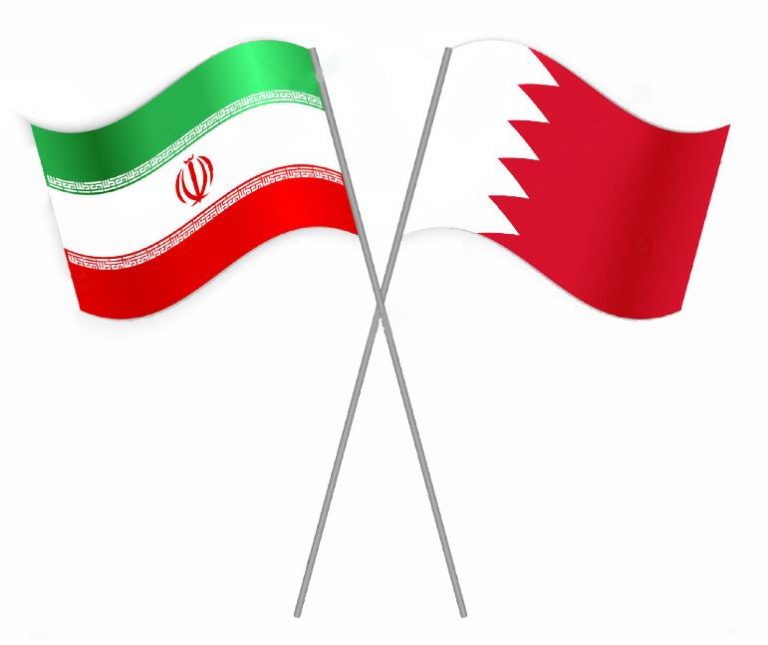
The Bahraini government has long claimed that Iran is encouraging the Shiite opposition, which is fighting for recognition and political change. This is not an empty fear. Tehran’s  push for hegemony in the archipelago is not a new phenomenon. However, unlike monarchic Iran, whose hegemonic drive focused on the international political-diplomatic arena, the Islamic Republic is working for change from within and is using both soft power and subversion.
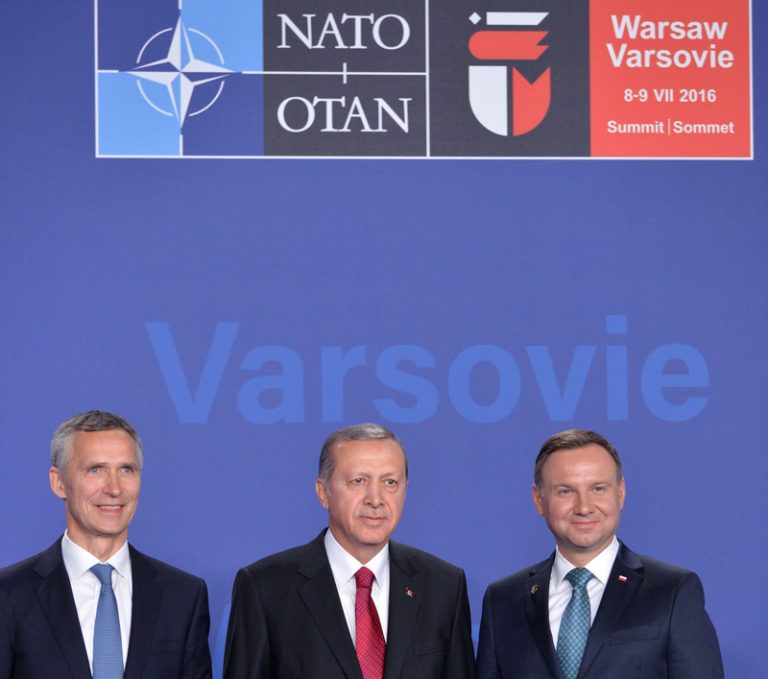
NATO Secretary General Jens Stoltenberg, President of Turkey Recep Erdogan and the President of Poland, Andrzej Duda, in Warsaw on July 8, 2016. (Image source: NATO/Flickr)
Erdoğan prepares to launch his campaign for presidential elections scheduled for November 2019. At a time of rising xenophobia and anti-western sentiments across Turkey, his campaign will undoubtedly target the “evil powers of the West,” adding to the isolationist Turkish psyche. Russian President Vladimir Putin could not have possibly found a better partner for his attempts to divide and weaken NATO.
Washington’s increased support notwithstanding, the Afghan government has thus far failed to contain the Taliban’s sustained terror campaign, while efforts to revive the moribund peace process have similarly run into a dead alley. It remains to be seen whether last week’s bold peace initiative by President Ashraf Ghani will strike a responsive chord with the Taliban.
Western-centric expectations of Russian collapse in the face of its recent foreign policy and domestic setbacks fail to consider the Russian mindset, political culture, and “rules of the game,” thus grossly underestimating the regime’s and the country’s resilience.
“Intra-state strategic competition [with Russia and China], not terrorism, is the primary concern of US national security,” posits the DOD 2018 National Defense Strategy (NDS). But how justified is this focus shift from the ongoing fight against Islamist terrorism? And can Moscow and Beijing’s interest in defeating this common enemy be harnessed to this fight? Exploring President Reagan’s policies to terrorism and intra-state competition can provide some useful clues.

Accessibility Toolbar