Perspectives Papers

Perspectives Papers provide analysis from BESA Center research associates and other outside experts on the most important issues pertaining to Israel and the Middle East.

View Archive

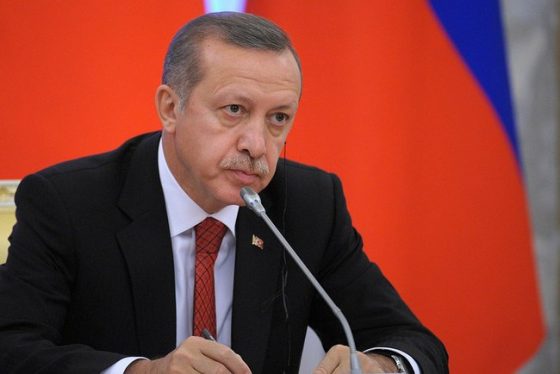
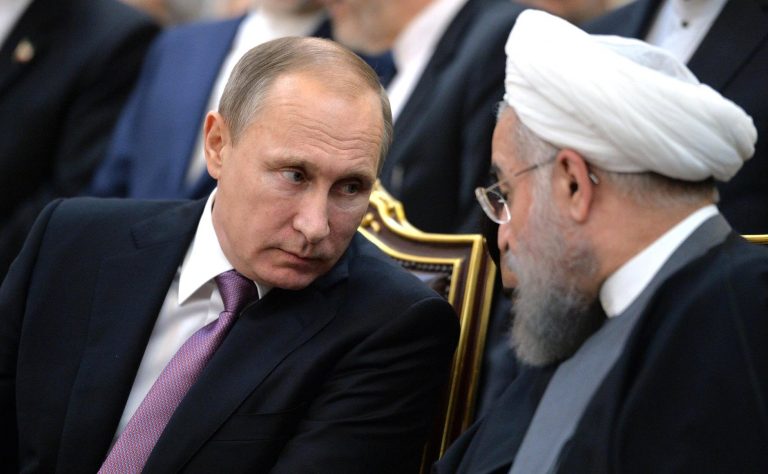
Russia and Iran have been geopolitical rivals for centuries – but over the past couple of years, the Moscow-Tehran axis has grown exponentially. This creates major headaches for the US and other western powers that are concerned about how far this cooperation could go. The two powers share common interests in the South Caucasus and the Middle East, but are wary of one another’s growing influence in their own backyards.
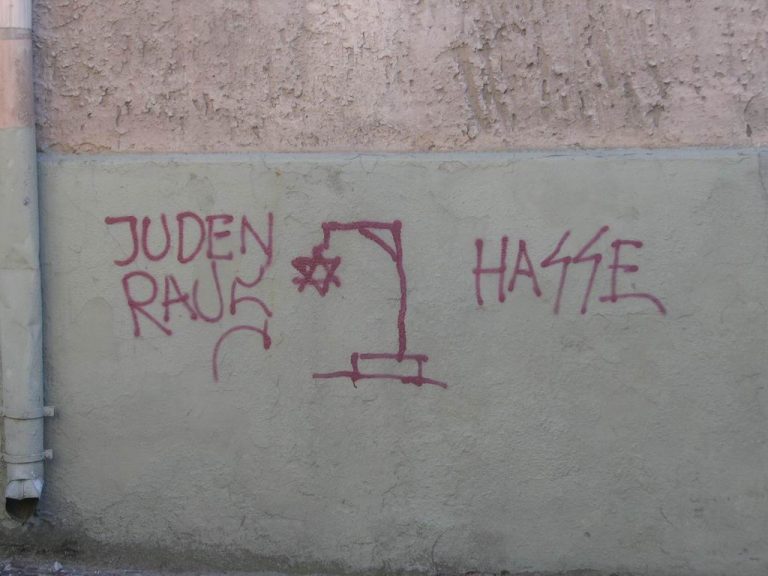
A number of major problem issues in Western European countries and the EU face Israel and the Jews. The widespread demonization of Israel remains a critical problem. So do anti-Semitism, the continuous influx of Muslims without any selection, the major manifestation of anti-Semitism within the UK Labor Party, the growth of the extreme right and left in France, and other important issues. Establishing such an inventory may provide a useful tool for Israel and international Jewish organizations in defining their 2018 agenda.
As the civil war in Syria winds down, ISIS is eliminated, and the chips begin to fall where they may, the aftermath appears profoundly tangled, with every imaginable interest pitted against all the others. But the situation is not unnavigable. Winners and losers are emerging, and a few wild card players are entering the fray that might disrupt the developing status quo. 
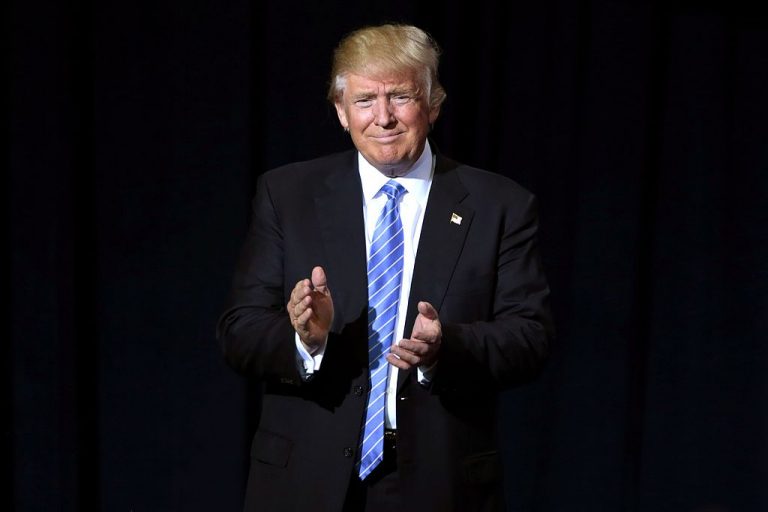
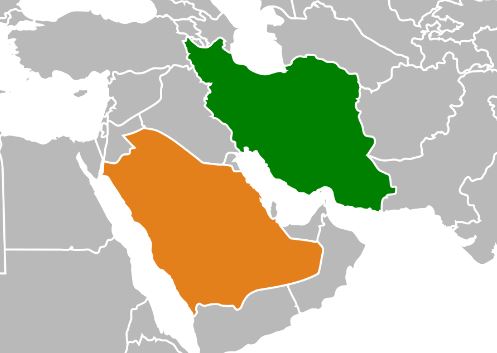
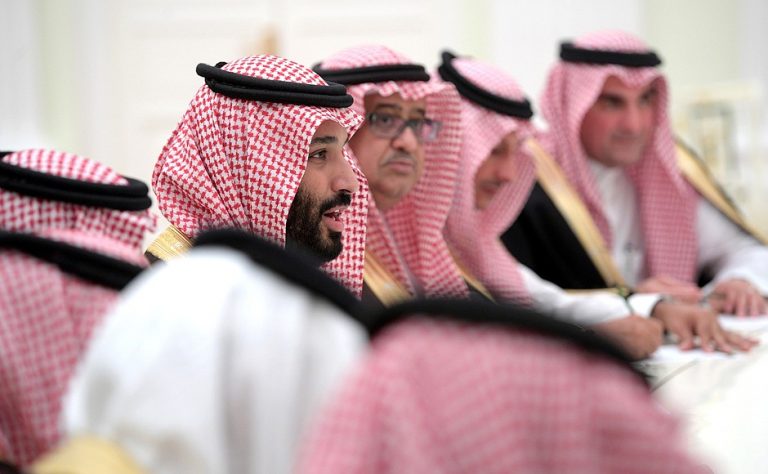
Talks aimed at transferring US nuclear technology to Saudi Arabia serve as an indicator of where the Saudi-Iranian rivalry is heading as well as the strength of the informal Saudi-Israeli alliance against Iran. The possible transfer could spark a new arms race in the Middle East and constitutes one explanation why Saudi responses to President Donald J. Trump’s recognition of Jerusalem as the capital of Israel were muted and limited to rhetorical statements.
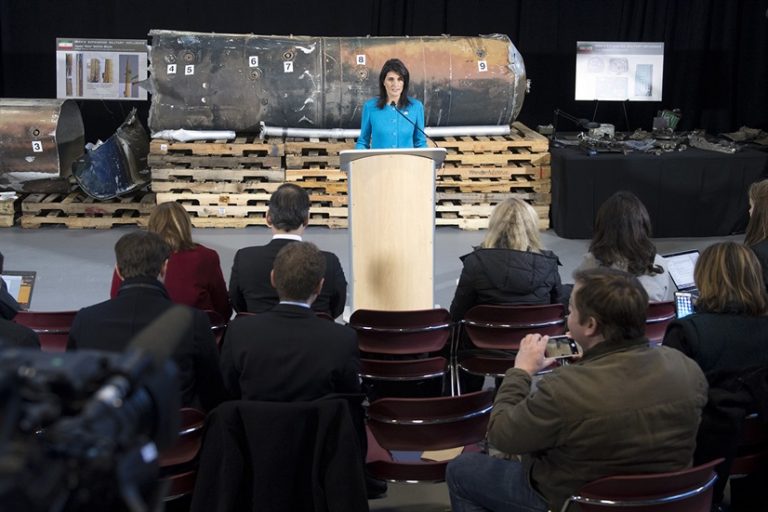
Rhetorical support for the Iranian protesters in their quest for freedom is not enough. The US, with the help of its allies, including Israel, must work 24/7 to provide – at the most opportune moment – arms and the knowhow to use them to the protesters against the regime. The time to act will be when casualties of the regime can be identified as coming from a broad spectrum of the Iranian public. 

Accessibility Toolbar