Perspectives Papers

Perspectives Papers provide analysis from BESA Center research associates and other outside experts on the most important issues pertaining to Israel and the Middle East.

View Archive

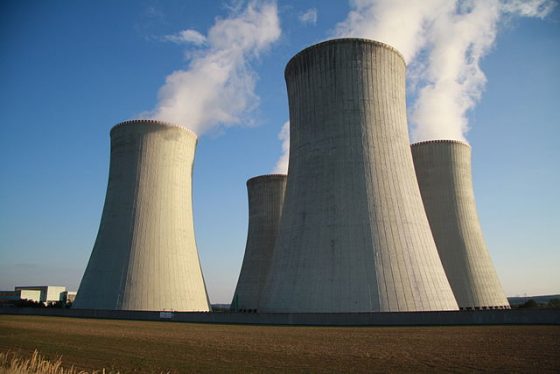
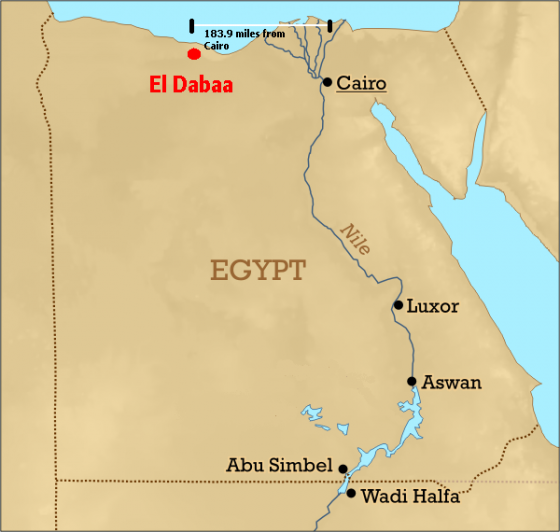
The long-term agreement recently signed between Russia and Egypt to build a nuclear power plant at El-Dabaa is aimed at improving Egypt’s electricity sector and has no direct implications for the development of nuclear weapons. It is, however, likely to legitimize any future attempt by Egypt to build a uranium-enrichment or nuclear-fuel-reprocessing facility. While Egypt has already gained significant experience in the nuclear field, neither its plans to develop a civilian nuclear power plant nor its efforts to develop nuclear weapons have yet borne fruit.
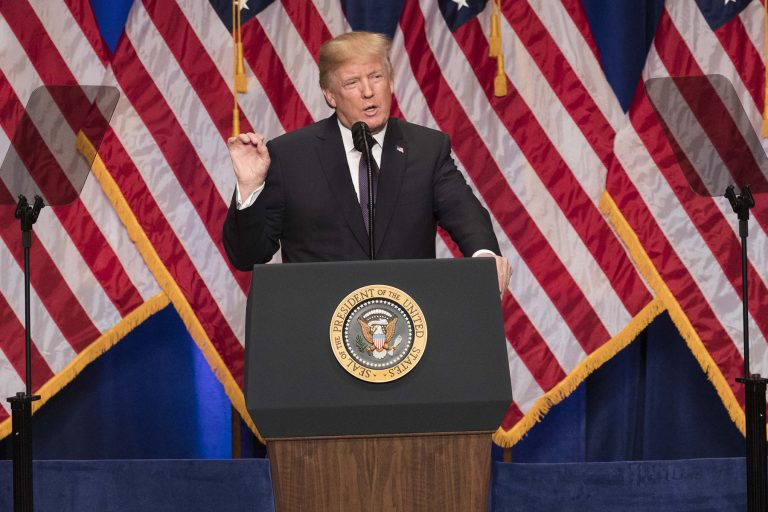
US President Donald Trump’s recently unveiled National Security Strategy paper does not specifically mention Turkey. Some Turks think this is good, as any mention would likely have been negative. But some think it is bad for Turkish interests because the absence of a mention highlights Turkey’s diminishing political clout in its region. Regardless, the strategy paper has messages for Ankara on several wavelengths.
There was a time when the world united against Galileo, who had defied holy teachings by stating that the Earth is neither flat nor the center of the universe, but revolves around the sun. President Trump’s acknowledgment that Jerusalem is Israel’s capital was also a plain statement of fact, one that Arabs and Muslims insist the West must simply wish away. “Eppur si muove,” said Galileo: the earth moves whether one acknowledges it or not. The same applies to the fact that Israel’s capital is Jerusalem.
The good news is that the 2018 Winter Olympics, which will be held in PyeongChang, South Korea, might serve as a venue for confidence-building measures towards negotiations between South and North Korea. The bad news is that North Korea has no intention of giving up its nuclear and missile capabilities. Pyongyang is changing its strategy towards Seoul in order to earn credit that it can use to ease sanctions without sacrificing deterrence.
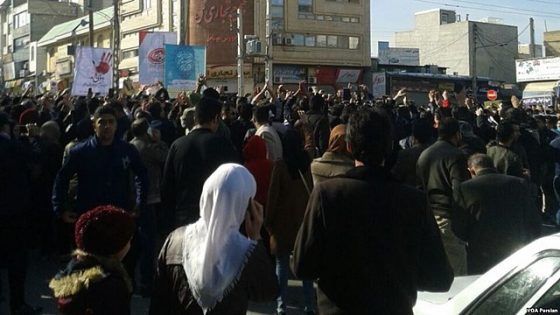
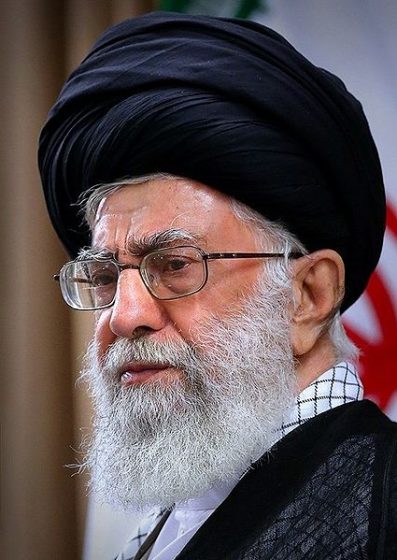
The social protests now sweeping across Iran reflect the deep tension between the Islamic regime’s commitment of vast resources to the assertion of Tehran’s regional hegemony and the yearning of middle class Iranians for an improvement in their economic wellbeing. And while the Islamist establishment that took power in the 1979 revolution is keenly aware of the perils of popular restiveness, history teaches that prolonged retention of power often makes regimes oblivious to the needs and yearnings of their subjects. This could upset the delicate balance between state and society.
In supporting recent anti-government protests in Iran, both Iranian hardliners and the US State Department might want to be careful what they wish for. Not only are the protests unlikely to spark the kind of change either of the two adversaries might be hoping for, but they are also refusing to stick to the different scripts the Trump administration and opponents of Iranian President Hassan Rouhani prefer to read into them.
The rationale for the 2003 Iraq War was the American intelligence community’s assessment that the Saddam Hussein regime possessed chemical and biological weapons and was pursuing nuclear weapons. This assessment proved a colossal failure, as no trace of nonconventional weapons was ever found in Iraq. Though the overthrow of Saddam’s cruel totalitarian regime was nevertheless worthwhile, domestic pressure led the US to quickly withdraw its forces from Iraq – resulting in many American casualties and preventing the establishment of a stable pro-Western regime.

Accessibility Toolbar