Perspectives Papers

Perspectives Papers provide analysis from BESA Center research associates and other outside experts on the most important issues pertaining to Israel and the Middle East.

View Archive

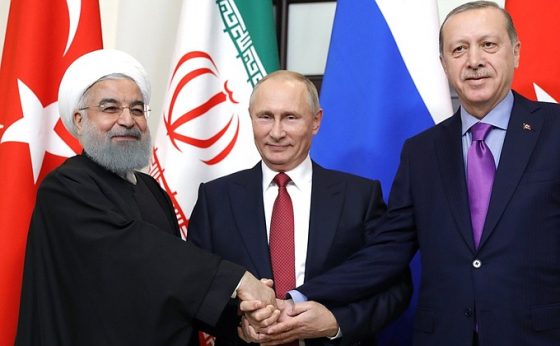
The victors in Syria and Iraq – Russia, Iran, Syria, and Turkey – are to meet in Sochi for a conference to discuss a peaceful conclusion to the Syrian civil war. The loser in Syria and Iraq – the US – will be conspicuously absent. The Americans’ adversaries were the beneficiaries of their own campaign against ISIS. Instead of the sheer folly of watching enemies free-ride on US might, the US should have exhausted Iran and Russia in the process of defeating ISIS.
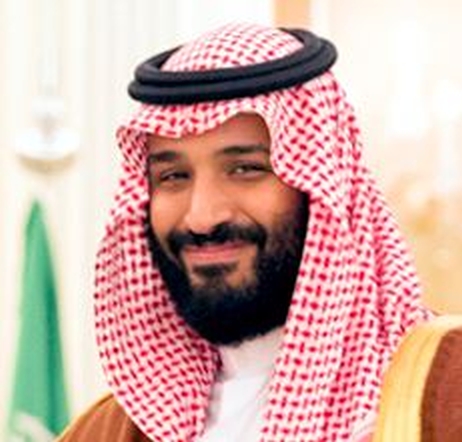
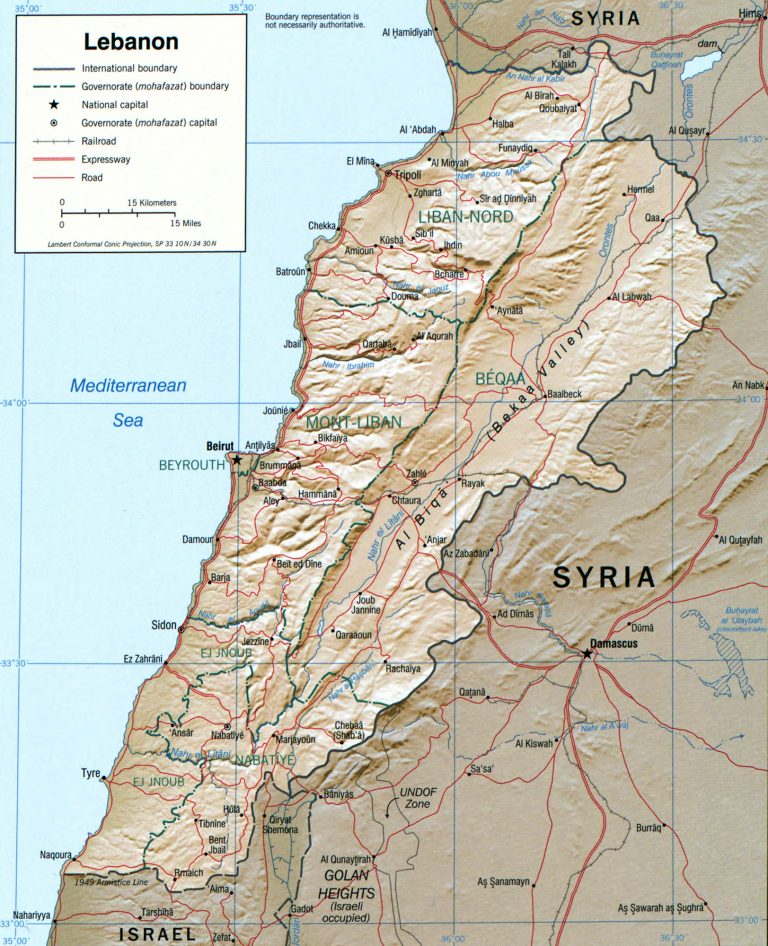
By strengthening cooperation behind the scenes, Saudi Arabia and Israel can take significant advantage of the political crisis in Lebanon and the regional developments that may result from it. Riyadh and Jerusalem should do their best to cooperate vis-à-vis the superpowers involved in Syria and Iraq, especially the US, as they attempt to shift the strategic balance towards their aligning interests.
It’s hard to prove beyond doubt a direct causal link between militancy and Saudi-inspired ultra-conservative forms of Sunni Muslim Islam. That hasn’t stopped Belgium’s parliament from attempting to wrest control from Saudi Arabia of Brussel’s downtown Grand Mosque after three years in which Belgians played a prominent role in ISIS attacks in the Belgian capital as well as Paris.
The need to engage enemies embedded in urban combat zones, megacities (metropolitan areas with more than 10 million inhabitants), and other populated regions is a challenge that is set to become increasingly prevalent for security forces around the world. Israel has amassed significant experience in this area. With that in mind, representatives from 12 NATO countries recently visited Israel to take part in a first-of-its-kind conference on the challenges of urban warfare and combat in populated areas. 
Since the onset of the so-called "Arab Spring" in 2011, there has been a continuous upheaval in Yemen, which has escalated into full scale civil war between the Houthis (a Shiite political-religious movement), supported by Iran, and the internationally recognized Government of Yemen, supported by Saudi Arabia. The recent missile attack on Riyadh's International Airport, which originated in Yemen and triggered a Saudi-Lebanese confrontation, is the fourth such attack this year. The Yemeni civil war has received scant attention in Israel, but its outcome could significantly affect Israel's national security and the stability of the Middle East.
The recent electoral success of the Alternative for Germany party (AfD) is attributable primarily to its anti-immigration agenda and opposition to radical Islam. Numerous German citizens saw AfD as a necessary brake to Chancellor Angela Merkel’s “open door” policy vis-à-vis the refugees. But some of AfD’s politicians, in addition to emphasizing the danger of Islamization, have expressed anti-Semitic sentiments. For now, AfD is keeping a lid on its latent anti-Semitism by stressing its admiration for Israel’s skill at safeguarding its security. It cannot be taken for granted, however, that AfD’s anti-Semitism will remain forever restrained.
Much has been written about the historical marginalization of the 900,000 Jews expelled from Arab states in the wake of the 1948 War. Few know that the June 1967 War played a similar role in accelerating the final demise of these historic communities. It is high time the international community rectified this longstanding injustice by ensuring that these refugees are fully compensated for their suffering and stolen property.
During President Donald Trump’s trip to Asia in November, he dealt with political-security issues alongside various economic issues. The visit lasted almost two weeks and included visits and meetings in Japan, South Korea, China, Vietnam, and the Philippines. North Korea's nuclear threat and economic issues were the top two matters under discussion. Trump managed to maintain good relations with all the countries he visited and even strengthened some of them, but it is not certain that this will last throughout his term in view of his incoherent statements on ongoing tensions in East Asia between China and smaller countries.

Accessibility Toolbar