Perspectives Papers

Perspectives Papers provide analysis from BESA Center research associates and other outside experts on the most important issues pertaining to Israel and the Middle East.

View Archive

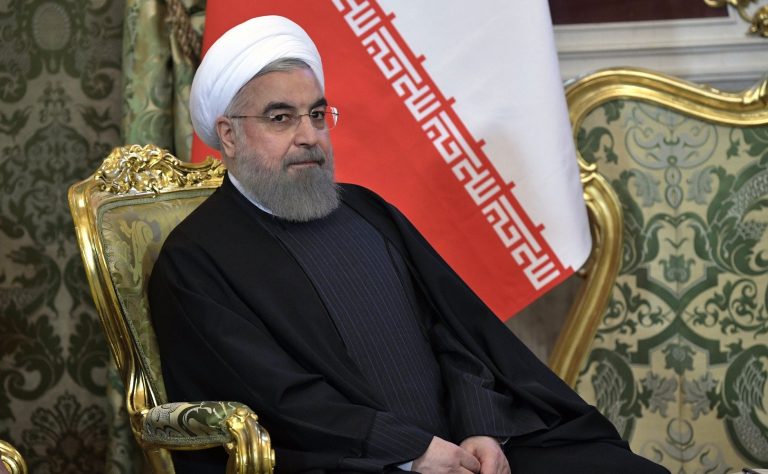
Iran is now openly threatening to dismember Saudi Arabia for its support for Kurdish independence and secession from Iraq. This ratcheting up of tensions has implications not only for those two countries but for the region and the world at large. Israel would do well to remember that the Middle East is growing ever more volatile, and the US should sharpen its resolve to contain Iran.
Saudi Arabia’s long-awaited lifting of a ban on women’s driving, widely viewed as a symbol of Saudi misogyny, will likely serve as a litmus test for Crown Prince Mohammed bin Salman’s ability to introduce economic and social reforms despite conservative opposition. It also distracts attention from international criticism of the kingdom’s war in Yemen and charges by human rights groups, as well as some Muslim leaders, that the kingdom fosters sectarianism and prejudice against non-Muslims.
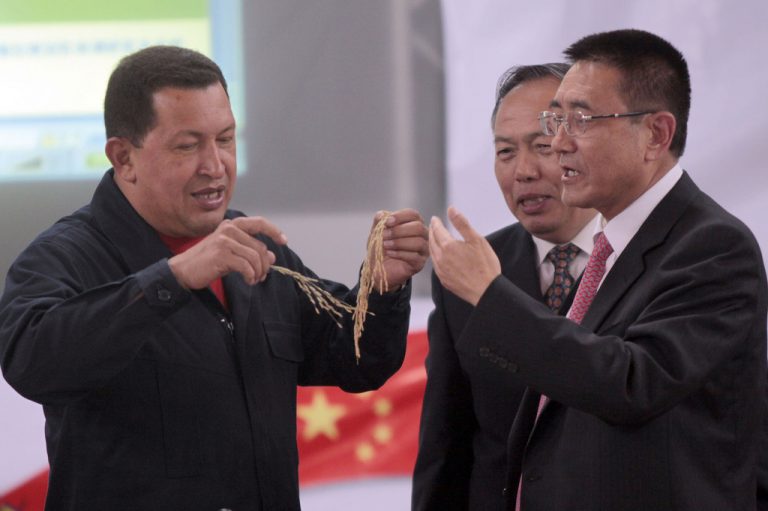
China has had relationships with Venezuela and Congo – countries that have experienced severe internal difficulties of late – for dozens of years. In Venezuela, China has chosen not to intervene and has withdrawn its investments. Though Beijing has yet to respond in any significant way in Congo, it can be assumed that it will take a similar approach. It does not appear that the conflicts in Congo, though they are accompanied by some financial risk to China’s economy, will affect Beijing’s overall policy regarding foreign intervention.
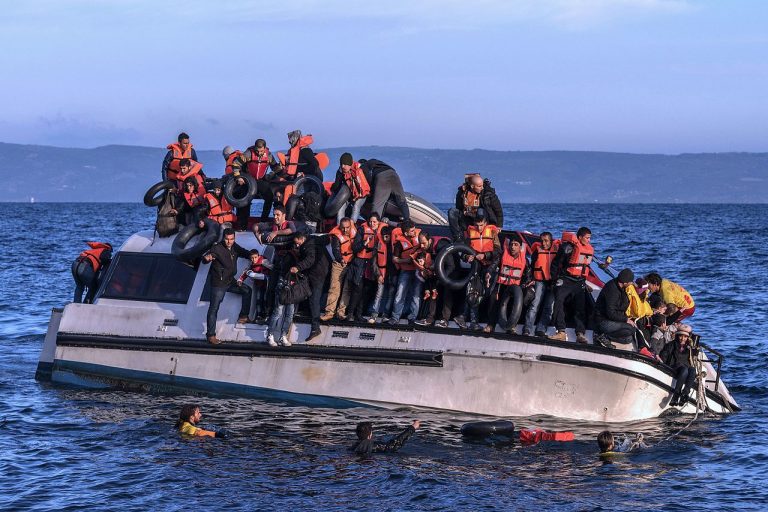
A Shiite effort is already underway to purge Iraq of its majority Sunni population. The result may soon be a new mass exodus of Iraqi refugees, a multiplication of the migrant crisis that could have dire consequences for the rest of the world. One way to avoid this scenario is to turn Iraq into a federation of emirates – a solution that could also be productively applied to the West Bank, Jordan, Sudan, and Yemen.
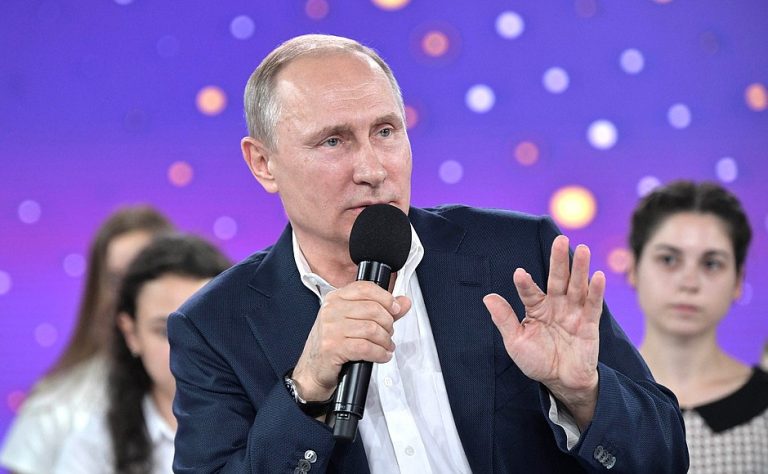
Russia will hold its next presidential elections in March 2018, and current president Vladimir Putin has yet to announce his intention to run. Russians are accustomed to Putin’s late announcements of his candidacy (as occurred in 2004 and 2012), and he is widely expected to run. He will almost certainly win, but will have to find ways to handle fundamentally different domestic circumstances both during the election and after it.
The national aspirations of the Kurdish minority in Iraq pose considerable challenges to all four countries that contain large Kurdish populations. It is not surprising that the decision to hold a referendum on Kurdish independence sparked angry reactions among the leaders of Iraq, Iran, Turkey, and Syria. However, Tehran’s staunch opposition does not stem solely from fear that the referendum’s passage will kindle separatist tendencies among the Kurds of Iran. The Iranians have other geopolitical and geostrategic concerns that can be affected should Kurdistan become independent.
The latest parade of the Iranian Revolutionary Guard displayed a new ballistic missile, the Khorramshahr. Though it had been modified to appear less threatening, the new missile matches a North Korean ballistic missile known by different names in the West, including BM25. The Khorramshahr could eventually enable Tehran to threaten the capitals of Europe with nuclear warheads, and it raises the level of the Iranian missile threat to Israel.
The recent verbal exchanges between President Donald Trump and North Korean leader Kim Jong-un have been among the most belligerent and bellicose to pass between any two major leaders in recent history. The North Korean nuclear crisis now resembles the 1962 Cuban Missile Crisis between the US and the Soviet Union. Trump has several options with which to deal with Kim. All are problematic, and a few are truly dangerous.

Accessibility Toolbar