Perspectives Papers

Perspectives Papers provide analysis from BESA Center research associates and other outside experts on the most important issues pertaining to Israel and the Middle East.

View Archive

The consequences of the war in Syria; the military opportunism displayed across the region by Iran; and the ploys by China and Russia to chip away at American global standing lost through President Obama’s “strategic patience” bode major foundational shifts in the power equations of the Middle East. The Chinese and Russians are openly pursuing the objective of establishing a multipolar international system. Vigilance and careful preparation are needed to face the coming upheaval.
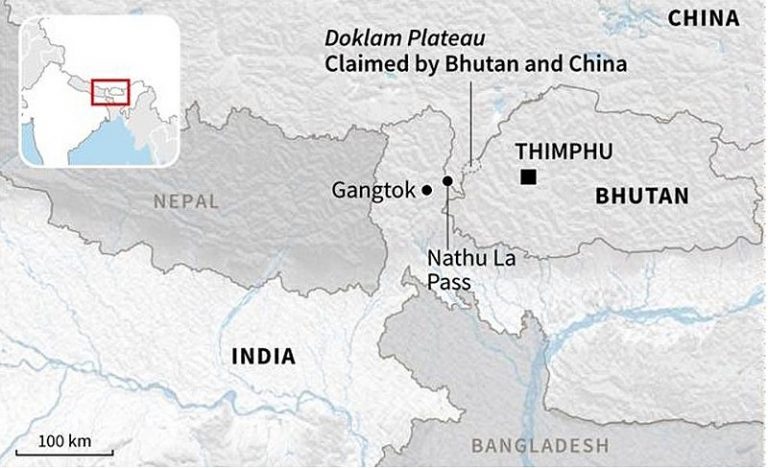
On July 24, 2017, China warned India “not to push its luck” – the latest salvo in a long-running border conflict. India wants the Chinese to stop construction of a road to the “chicken’s neck”: the Doklam plateau in the Himalayan mountain ridge between China and the Kingdom of Bhutan, India's close ally. This narrow strip of land connects China to northeastern India. The Chinese road, if completed, could ultimately threaten India and would represent a major strategic advantage for the Chinese.
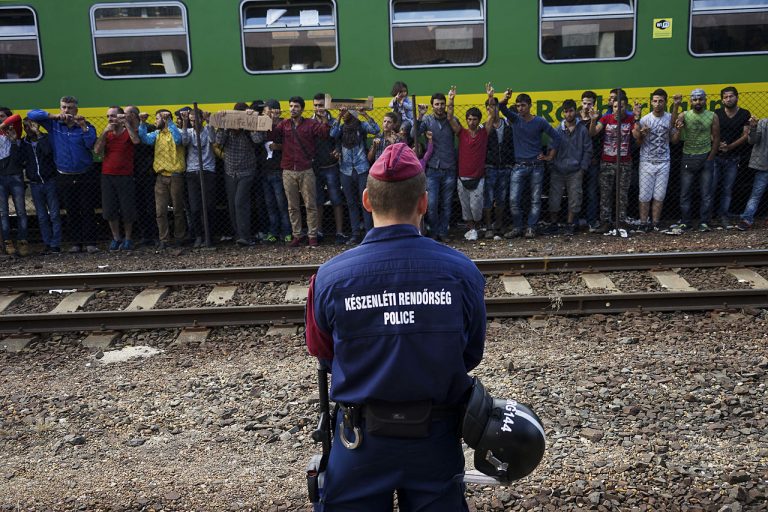
Almost all the “poor” illegal migrants on the Greek islands want to go to Germany, where they have heard from friends and relatives that they will be the best paid for being refugees. The cliché “the-poor-souls-are-fleeing-war-in-their-native-country” is becoming less and less convincing by the day. True, most Syrians fled to Turkey after the start of civil war in their country. But is flight from war their motivation as they proceed onwards to Greece, Serbia, Hungary, and Austria?
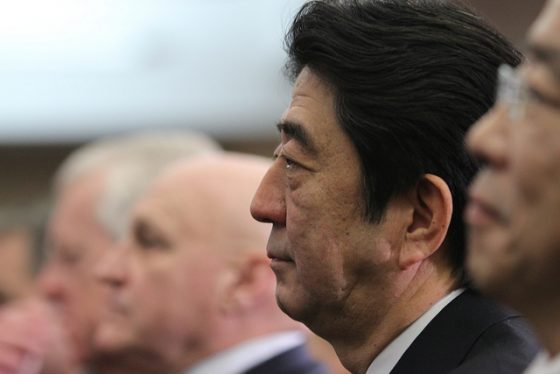
On August 29, 2017, North Korea launched a Hwasong-12 missile over Japan that landed in the Pacific Ocean – a show of force that once again illustrated Japan's vulnerability to North Korea's ballistic missiles. Tokyo should reconsider its newly conciliatory method of coping with the threat from Pyongyang. It will not be able to deter North Korea alone, and may have no choice but to be more active militarily.
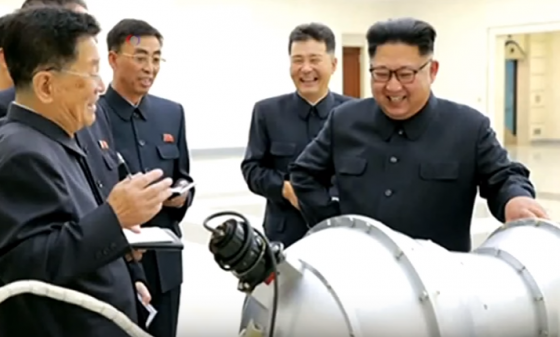
Tensions between the US and North Korea, which greatly increased following North Korea’s two ICBM launches on July 4 and July 28, are now near the boiling point. North Korea’s sixth nuclear test, which it conducted on September 3, seemed to indicate that it has reached an advanced capability to develop nuclear weapons. Despite Kim’s provocations and concern that Pyongyang’s military power will reach a point of no return, one cannot confidently predict that President Trump will risk a ground offensive. Nor, however, does it appear that the war of words is having any effect on Kim. Trump may have to order an operation to destroy North Korean strategic targets from the air.
To deal with the growing nuclear threat from North Korea, US policy will need to be drawn from theoretical decision models. Four such models should be constructed along the axes of rationality and intentionality. With these models in hand, President Trump and his senior strategists would be better prepared to assess and counter the threats posed by Kim Jong-un to the US and its allies. In the latter regard, the North Korean leader maintains ties to some of Israel's core enemies in the Middle East, including Syria, Hezbollah, and Iran.
The concept of “settler colonialism” has been applied with almost unique vehemence against Israel. But the fact that Jews are the indigenous population of the Southern Levant can be proved with ease. In contrast, historical and genealogical evidence shows Palestinians descend primarily from three primary groups: Muslim invaders, Arab immigrants, and local converts to Islam. The Muslim conquest of Byzantine Palestine in the 7th century CE is a textbook example of settler-colonialism, as is subsequent immigration, particularly during the 19th and 20th centuries under the Ottoman and British Empires. The application of the concept to Jews and Zionism by Palestinians is both ironic and unhelpful.

Accessibility Toolbar