Perspectives Papers

Perspectives Papers provide analysis from BESA Center research associates and other outside experts on the most important issues pertaining to Israel and the Middle East.

View Archive

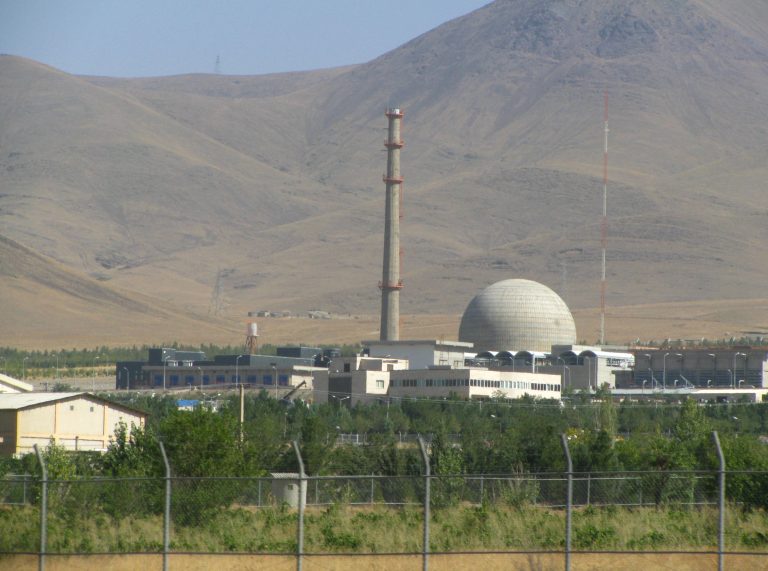
The US and its allies can prevent Iran from getting nuclear weapons, but only if they are clear about what the controversial 2015 nuclear deal actually says. Critics of the agreement, officially called the Joint Comprehensive Plan of Action, often say the deal gives Iran permission to acquire nuclear weapons after 10 years. Yet the stated premise of the plan was that Iran would never build or acquire nuclear weapons – ever.
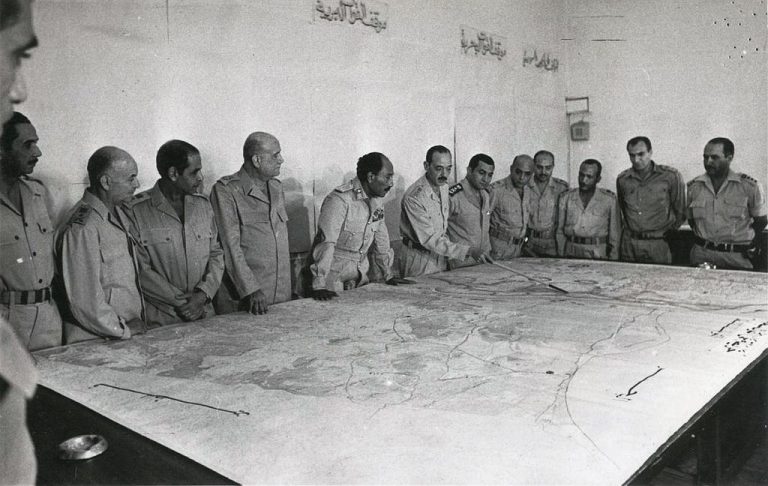
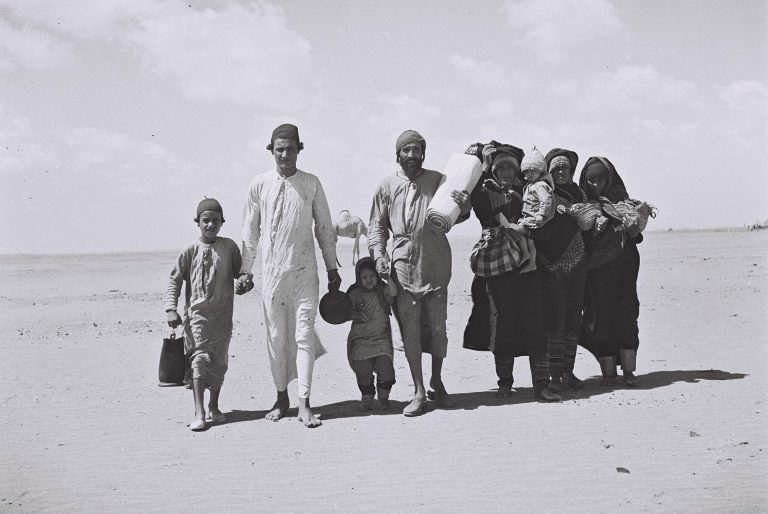
It has long been conventional wisdom to view the June 1967 war as an accidental conflagration that neither Arabs nor Israelis desired, yet none were able to prevent. This could not be further from the truth. Its specific timing resulted of course from the convergence of a number of particular causes at a particular juncture. But its general cause—the total Arab rejection of Jewish statehood—made another all-out Arab-Israeli war a foregone conclusion.
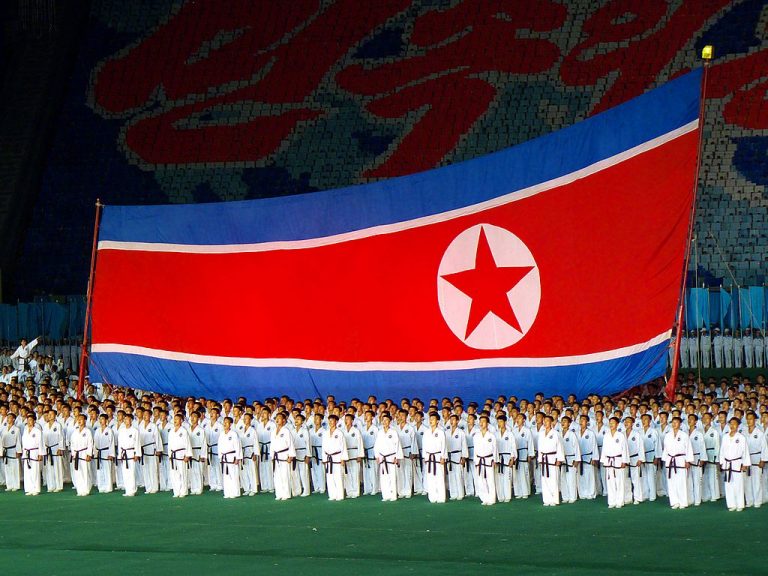
For the past few weeks, discussion has been rife among analysts, policy makers, and the media about tension in the Korean Peninsula from the perspectives of Washington, Seoul, Tokyo, and even Beijing. But aside from the North Korean media, no one is asking what Pyongyang should do. What would serve its interests? What are the best policy alternatives for Kim Jong-un? In the wake of US president Donald Trump’s declaration of a new North Korea policy, Pyongyang must analyze the pros and cons of a variety of policy options.

Israel is increasingly looking for partnerships in economic, political, cultural, and military sectors with countries in Southeast Asia, and relations with Vietnam in particular are on the upswing. While cooperation between Israel and Vietnam is largely focused on civilian sectors, defense ties are also growing more robust, with Israel getting involved in upgrading aging Vietnamese weapons systems and collaborating on weapons development. There is a visible bonhomie between the nations, and Israel-Vietnam ties are likely to deepen.
There is a structured, persistent failure in intelligence research that scholars have either not identified or underestimate: the assessment of long-term processes that develop separately from “objective” quantitative data. This inattention can result in the undervaluation of real dangers at our door. In order to establish a more reliable picture of reality, questions should be raised that challenge the consensus. More than one forecast and predicted future should be presented by synthesizing quantitative facts together with qualitative research. Works of literature, philosophy, and poetry can also serve as seismographs to tremors in the fabric of life.
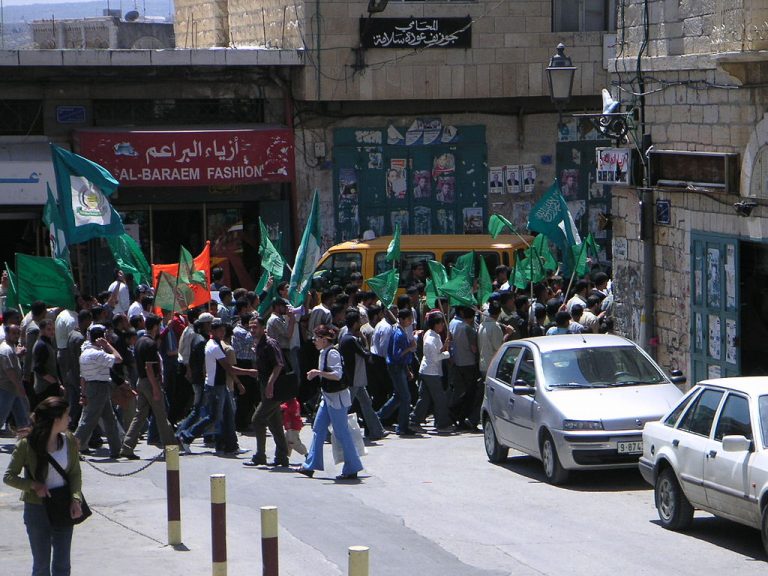
Mounting evidence suggests that Hamas, viewed as either a terrorist movement or as a government, is one more failed Palestinian organization. It is recognized as such by Gaza’s inhabitants, who no longer show up to their rallies. Its lack of popularity is one reason for the small concessions contained in its recently published document. More concessions will come as popular pressure mounts. Israel should be patient, as time is on its side.
It is difficult for Westerners to understand how intertwined religious and political imperatives are for people who subscribe to the Islamic faith. They feel compelled to fulfill their religious duties within the political arena and believe their experience in the political world teaches them how to practically implement their religion. Westerners should resist the temptation to infer too much into recent moves by Hamas, including a revised charter and a change of leadership. The tune might be changing slightly, but the song remains the same.
On April 6, 2017, the two most powerful men in the world, US president Donald Trump and Chinese president Xi Jinping, met at Trump’s Mar-a-Lago resort. Their meeting went on for two days. Their conversations dealt with political, security, and financial matters. Even before the meeting took place, both parties demonstrated good will. The Chinese forgave what they taken to calling “Mr. Trump’s provocations”, while Mr. Trump invited Mr. Xi and his wife to his home in an act of good faith that paved the way for a positive visit. Both sides attempted to ease tensions and create a basis for healthy relations.
The new Hamas policy document, which is meant to complement, rather than replace, the Hamas Covenant of 1988, does not in any way depart from what the movement believes to be the inalienable right of the Palestinian people to a state "from the river to the sea". The document declares both the Balfour Declaration and the UN Partition Resolution of 1947 "null and void", and makes clear that the Palestinian state – to be achieved piecemeal if necessary – is to be created at the expense of the very existence of the Jewish State. While the text is not by any means a breakthrough, it does contain a few indications that pressure on Hamas can eventually bear fruit.

Accessibility Toolbar