Perspectives Papers

Perspectives Papers provide analysis from BESA Center research associates and other outside experts on the most important issues pertaining to Israel and the Middle East.

View Archive

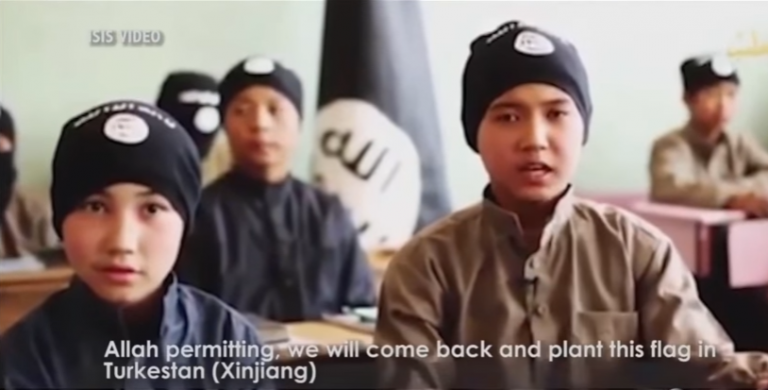
As the power of the Islamic State (IS) declines, it is becoming less menacing and less able to sow fear in the world at large. The group sees threats against China as a way to renew that sense of threat. IS claims to offer hope and refuge to the Uyghur Muslims, who are subject to a campaign by the central government in Beijing, and thereby to achieve two major goals: recruiting new volunteers and attracting further attention.
Arab MKs, left-wing NGOs, and local Bedouin leadership have decided to resist state attempts to regulate the hundreds of illegal Bedouin settlements in the Negev. This will be difficult to counter, as radical Arab nationalists and the Islamic Movement are infiltrating and co-opting the Bedouin conflict as a tool against the state. Israel should continue to enforce the law and negotiate with Bedouin families while remaining realistic about the endeavor’s long-term goals. Failure to do so will consign the Negev to lawlessness.
The FBI has concluded that ousted National Security Advisor (NSA) Mike Flynn’s contact with Russian ambassador Sergei Kisliak was not, in fact, illicit. Prior NSAs, aware that the Kremlin can influence close elections, have courted its “vote” for their candidates. Flynn acted as his predecessors did while protecting his back channel and his loyalty to Trump. The ongoing witch-hunt is emblematic of an unprecedented political power struggle in the US that reflects widely divergent policies toward Russia, the Middle East, and Ukraine.
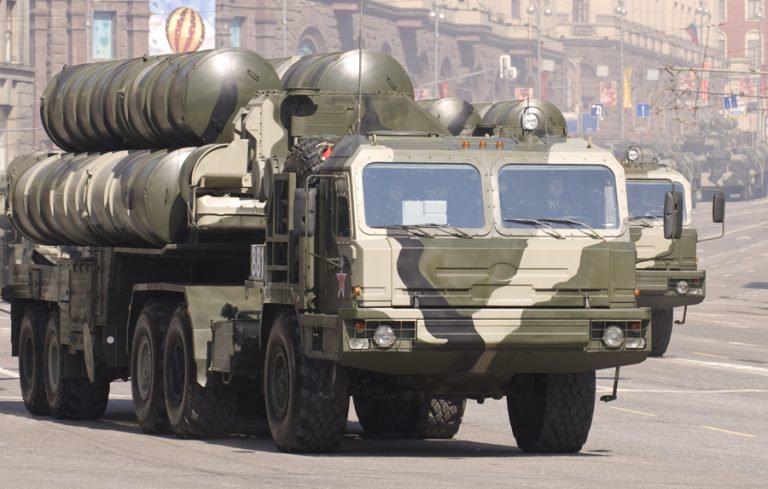
There is no scientifically valid way to predict US presidential irrationality. Nor is there any analytically acceptable way for an American president to foretell the nuclear outcomes of any considered policy decision. There is another, less frequently considered possibility that is just as impossible to predict: that President Trump could refuse to follow through on deterrent threats, thereby allowing assorted Russian aggressions – including those that might involve Israel.
Many believe that US financial and military support for Israel harms the interests of the US, especially in the Middle East and North Africa. One way to test this assumption is to explore whether US support for Israel has a negative effect on exports of the US to the countries of the region. It doesn’t. US exports to the region have grown. Fluctuations within that overall growth trend are easily explained by oil prices, the chief source of income of many of the consumer states – not by Israel’s “offenses” against Hezbollah and Hamas.
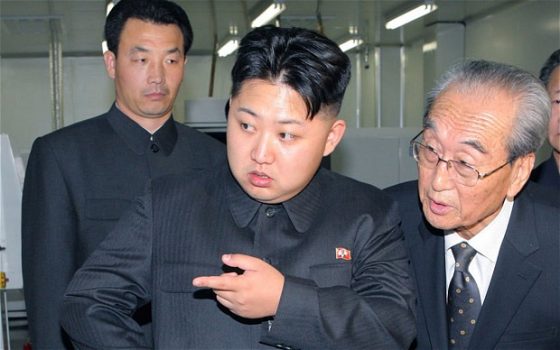
This analysis argues that Iran is steadily making progress towards a nuclear weapon and is doing so via North Korea. Iran is unwilling to submit to a years-long freeze of its military nuclear program as stipulated by the July 2015 Vienna Nuclear Deal. North Korea is ready and able to provide a clandestine means of circumventing the deal, which would allow the Iranians to covertly advance that nuclear program. At the same time, Iran is likely assisting in the upgrading of certain North Korean strategic capacities.

Accessibility Toolbar