Perspectives Papers

Perspectives Papers provide analysis from BESA Center research associates and other outside experts on the most important issues pertaining to Israel and the Middle East.

View Archive

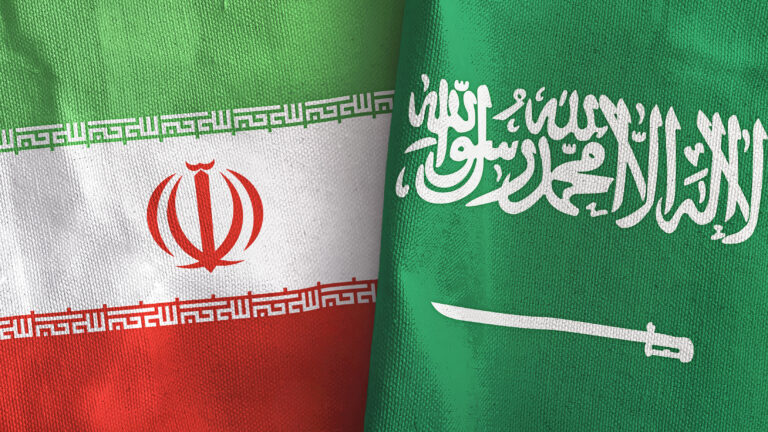
The recent reconciliation agreement between the Islamic Republic of Iran and the Kingdom of Saudi Arabia dismayed many Israeli policymakers, analysts, and journalists. The agreement suggests that Saudi Arabia is steering away from its course of rapprochement with Israel and cuddling up to the ayatollahs, thereby eroding Israel’s geostrategic position in the Middle East. But the widespread assessment of this development as entirely bad for Israel is short-sighted.
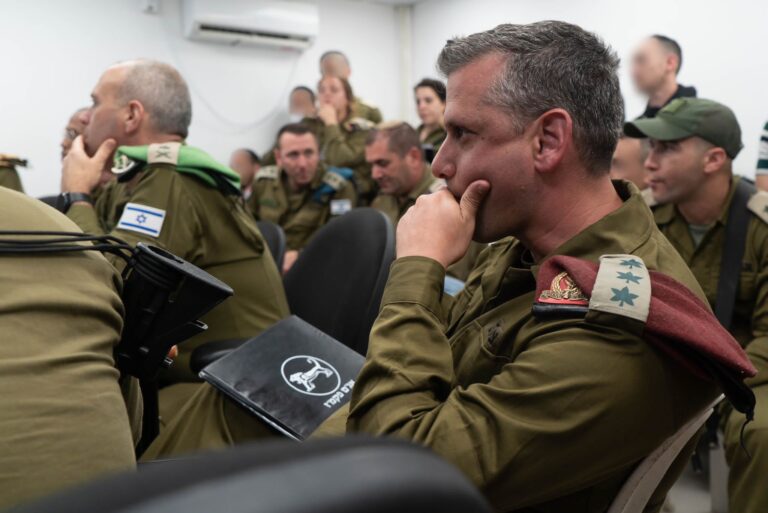
The main challenges currently facing the IDF are preparations to strike Iran’s nuclear sites and confrontation of pro–Iranian non-state actors (NSAs), mainly Hezbollah and Hamas. The IDF also has to deal with other important security matters, including ongoing unrest in the West Bank and the military campaign against Iran and Hezbollah in Syria.
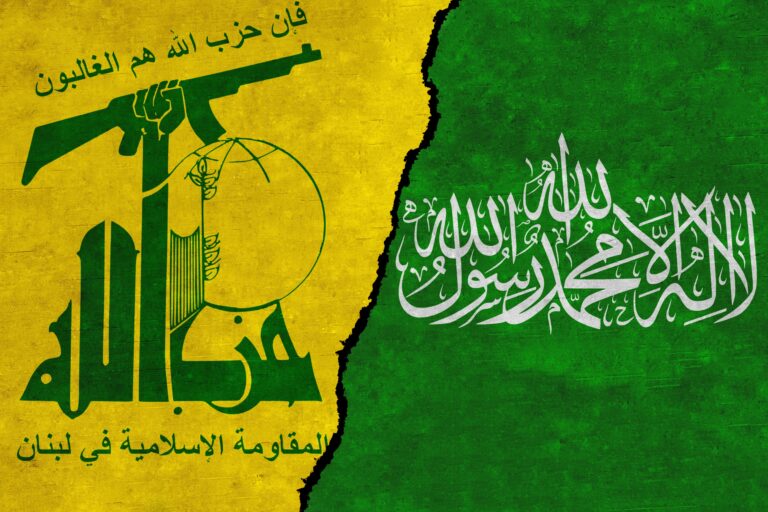
From their earliest days, Hezbollah and Hamas have seen immense value in closely monitoring Israel’s media. However, their reliance on open source information has proven a double-edged sword, as both groups have been misled into making poor strategic decisions. Either Hezbollah or Hamas is likely to identify the current crisis in Israel over the new government’s proposed reform of Israel’s judiciary as an opportunity to act against it. They might be surprised, however, by Israel’s response.
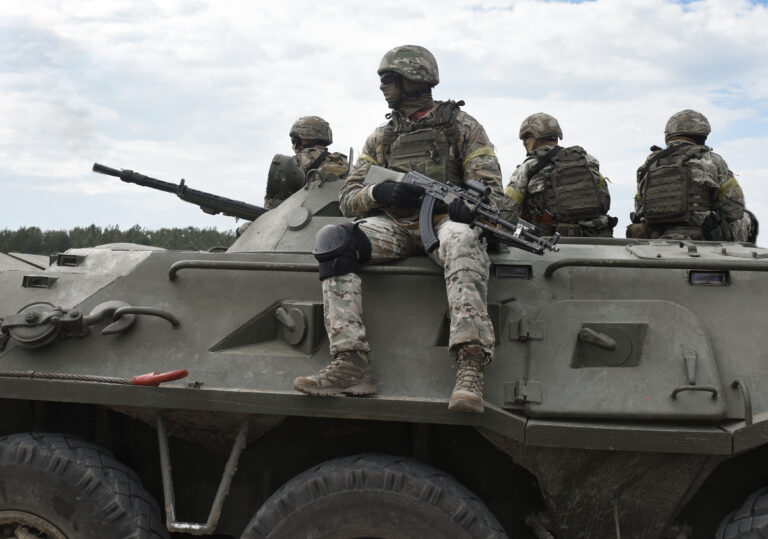
The war in Ukraine is an example of modern high-intensity warfare. As such, it offers a number of lessons that can be learned about the capabilities, limitations, and requirements of armies conducting such warfare. New technology and methods have added capabilities, but have not rendered more traditional methods of warfare and technology obsolete. The IDF should learn to merge the new with the old by acquiring competence in new technology and tactics while maintaining technical and tactical competence in the veteran ”basics”.
New Chief of Staff
The IDF’s 23rd Chief of Staff, Lt. Gen. Herzi Halevi, will need to safely and swiftly maneuver through a domestic minefield without entangling the military in politics. He will likely seek to prioritize the Iranian and northern arenas over the Palestinian arenas – provided the domestic political situation allows him to do so.
The Russian invasion of Ukraine has riled the energy markets of Europe and created opportunities for Israel’s energy sector that contain both risks and rewards. These opportunities include: 1) the prospect of more natural gas exploration and new LNG export projects in the Eastern Mediterranean to meet Europe’s growing demand for non-Russian gas; 2) the revival of the EAPC-UAE deal to move cheaper oil from the Gulf States to Europe through Israel; and 3) more Israeli solar and clean tech export deals to the Gulf States to help release oil and gas for export.
Operation "Breaking Dawn"
Islamic Jihad’s efforts to degrade Israel’s security are driven by Iranian interests. Israeli decision-makers must understand the nature of the struggle with this organization and continue to take steps to prevent its becoming a significant military force in the West Bank. This must be done in order to prevent the “unity of fronts” Iran is striving to create through its proxy organizations.
Israel’s shift from USEUCOM to USCENTCOM is no less than a formal recognition of Israel as a regional heavyweight. The move has transformed the strategic landscape. Under USCENTCOM’s umbrella, the IDF is now conducting exercises with Arab militaries, opportunities in long-range air operations have emerged, efficiencies in missile defense have been created, and former adversaries are now eager to purchase Israel’s military technology. Also, the shift creates a more natural and cooperative military environment for the IDF.
The current debate in Israel on a semi – constitutional reform is being carried out, as is often the case with Israeli strategic decision-making, in an improvised manner and under pressure. Better decision-making would strengthen the State of Israel and its three branches of government. Necessary factors include mutual acceptance that change is inevitable;

Accessibility Toolbar