Perspectives Papers

Perspectives Papers provide analysis from BESA Center research associates and other outside experts on the most important issues pertaining to Israel and the Middle East.

View Archive

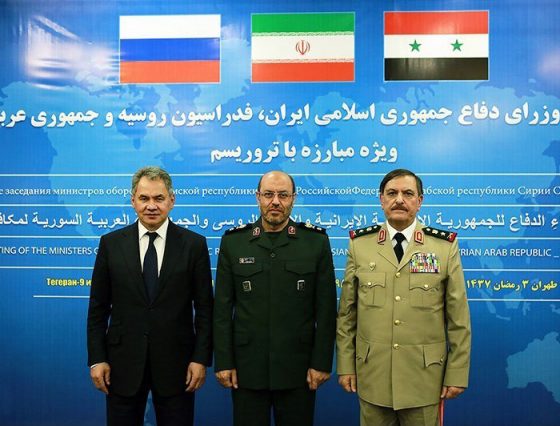
Recently, Hezbollah-affiliated Lebanese media reported on a first meeting in Aleppo between Russian senior military officials and Hezbollah field commanders, whereby the two sides agreed to continue conferring on a regular basis. The timing of this meeting, prior to the inauguration of US President-elect Donald Trump, appears to have been a calculated move, and it bears important implications for the US and Israel.
President-Elect Trump has serious decisions to make about the Middle East, including what to do about Syria, how to tackle Islamic State, how to take on Iran, and, of course, how to handle the perennial Israel-Palestinian problem. Trump’s margin of error is narrow, especially since Russia and Iran are likely to test his leadership and determination.
US President-Elect Donald Trump has toned down the anti-NATO rhetoric he employed on the campaign trail, but it remains uncertain whether he appreciates the value of the organization for American interests. NATO provides security insurance not only to Europe but also to the US. Trump should be cautious about weakening its deterrence and power projection.
A pragmatist like Reagan, President Trump will face three urgent foreign policy issues: renegotiating the Iran nuclear deal with a US-Israel military option and Russia’s acquiescence; resolving the human catastrophe in Syria in partnership with President Putin; and a Great Bargain with Putin on the Ukraine. At home, Trump’s challenge will be to bridge bitter political and racial divides. Establishing bipartisan commissions on the Middle East and Russia might help. So would the appointment of the non-partisan General David Petraeus as Secretary of State.
Frustration over government dysfunction was at the root of recent Arab upheavals, and it is now driving some of the changes taking place in Western democracies, including the US. The Trump administration will have to work hard to gain public trust, and to restore America’s credibility as a superpower too – which was badly eroded during Obama's presidency.
The attempt to impose a solution to the Israel-Palestinian conflict is worse than a crime; it is a mistake. Even the whiff of coercion deludes the Palestinian leadership and feeds their hope that they can avoid the hard decisions that are necessary for compromise. It also stiffens resistance within Israel to concessions, undermines the legitimacy of any negotiated outcome, and makes implementation all but impossible.
Israelis who cultivate the pipe dream of substituting Israel's long-term bond with the US for an alliance with China and Russia should take a long, hard look at the votes of Moscow and Beijing at UNESCO, where they joined in denial of Jewish links to Jerusalem. Russian and Chinese policies lack the ethical basis that is so prevalent in US policy, and the chances of forging a similar long-term bond with either are slim.
The BDS movement against Israel is a microcosm of the global Left. Both are political religions that sanctify secular entities and demonize their opponents, weaponizing liberal principles in order to create retributive “justice.” The BDS movement fuses Muslim and Communist antipathy towards Jewish difference and indeed to Jewish existence, embodied in Israel.

Accessibility Toolbar