Perspectives Papers

Perspectives Papers provide analysis from BESA Center research associates and other outside experts on the most important issues pertaining to Israel and the Middle East.

View Archive

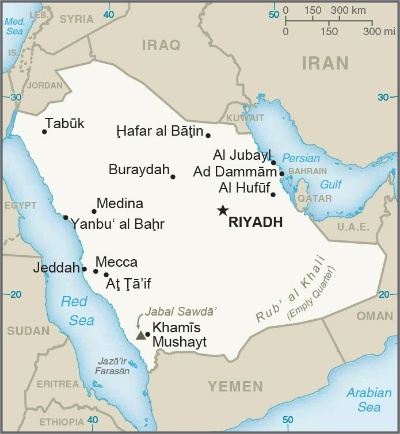
By executing a prominent Shiite leader, the Saudi King and his son the Deputy Crown Prince sent a strong signal to Iran, to the kingdom’s beleaguered Shiite minority, and to the world. To its Iranian Shiite rival, Sunni Riyadh was saying that it would absolutely not tolerate intervention in its internal affairs. It was telling its own Shiites that it would not allow “Arab Spring”-like dissent. And to the world, Salman and Muhammad were signaling that the Saudis were growing into their new role as a defender and leader of the Sunni Muslim countries; especially since the Obama administration appears to be siding with Iran.
The risk of ISIS employing chemical, biological, and radiological warfare agents is real. In fact, ISIS already has attacked with chemical agents. ISIS has mobilized Iraqi and Syrian scientists who are assisting in the development of chemical weapons, particularly nerve and mustard gas, alongside foreign experts. It also has reportedly moved its labs, experts, and materials from Iraq to Syria.
The flourishing new relationship between Israel and her two Hellenic neighbors in the eastern Mediterranean – Greece and Cyprus – is important on its own merits. But equally important, the Israel-Greece-Cyprus alliance seeks to block Turkey’s ambitions of regional hegemony, while at the same time offering Ankara a key place in the new Mediterranean political order, if and when she comes to her senses.
While there is no doubt that Israel is facing a difficult security situation, the surge in Palestinian violence does not pose any existential threat to Israel. Israel has weathered longer and harsher waves of terrorism. Israeli leaders must keep things in proportion, and reject calls for “massive retaliation” that will not truly improve security and could make things worse.
Legacies of Hajj Amin al-Husseini’s work are still with us. The broadcasts of Radio Zeissen, the Mufti's propaganda station, resonate in the 1988 Hamas covenant, and indeed still reverberate throughout our region. So do the recurrent references to Nazi imagery and texts in the Palestinian public domain. To demand a proper historical reckoning is therefore not to "demonize" the Palestinian people but to treat them, for a change, as adults capable of coping with a culture of responsibility.
Conflicts and clashes are not unique to Jerusalem. Israel needs to know why Jerusalem should be a priority; because it is seeking the return to Zion in all regions of the homeland! And if Israel does not insist on this, it will steadily withdraw inward, toward the coastal plain, and edge towards decline.
There is a contradiction between the ultimate purposes of Russia and Iran in their intervention in Syria. Putin’s concern for Assad's survival could give Israel some policy leverage, if Israel astutely navigates its way through the situation. This means that Israel should not be tempted to support Saudi-led efforts to unseat Assad or otherwise bring about a decisive outcome in Syria’s civil war.

Accessibility Toolbar