Perspectives Papers

Perspectives Papers provide analysis from BESA Center research associates and other outside experts on the most important issues pertaining to Israel and the Middle East.

View Archive

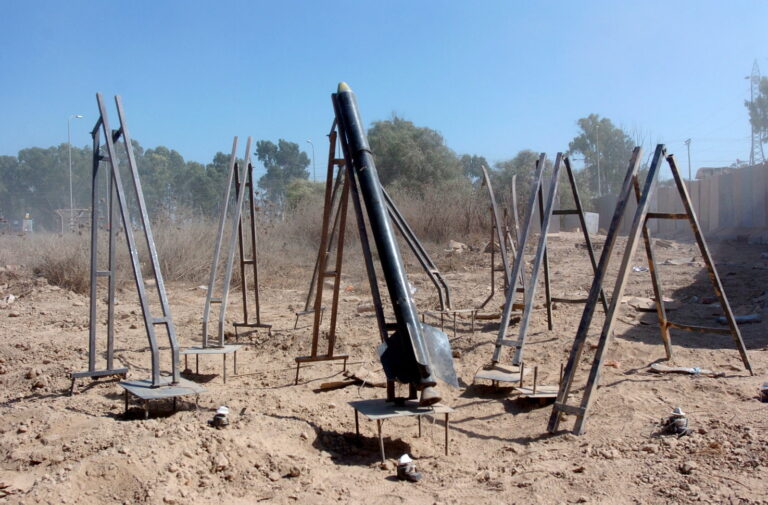
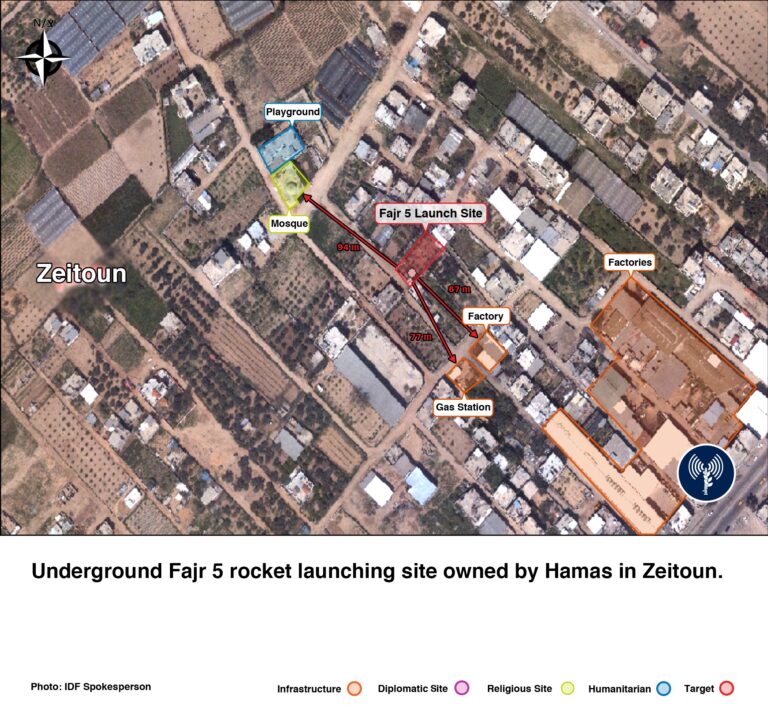
Much of the coverage and commentary surrounding the fighting in May between Hamas and Israel has focused on numbers, especially the much larger number of Palestinians than Israelis killed. The number of deaths is actually very low for such an intense conflict, a testament to Israel’s Iron Dome and civil defense systems, and its use of precision weapons and warnings aimed at minimizing Palestinian civilian deaths. Of course, Hamas aims to kill as many Israeli civilians as possible, but its rockets place both Israelis and Palestinians in peril, because many of those rockets—in this case 680—misfire and explode inside Gaza. The death and destruction caused is, of course, usually blamed on Israel. The question addressed here is how many Palestinians are likely to have been killed by these errant Palestinian rockets in May. The estimate arrived at is 91, amounting to 36% of the alleged Palestinian death toll.

In an attempt to justify breaking his repeated promises not to form a government with the support of the United Arab List (Ra’am) because of its opposition to Israel’s existence and backing of Palestinian terror organizations, new PM Naftali Bennett is portraying Ra’am as a pragmatic Islamic party seeking to advance the interests of the Israeli Arab sector. But pragmatism must not be confused with moderation.
Hamas will always prioritize its radical ideological and political objectives over pragmatic considerations whenever those two factors come into conflict. As Israeli decision makers monitor Hamas’s renewed efforts at force build-up following Operation Guardian of the Walls, they face dilemmas as they look for “least-worst” options.
Iran, Turkey, and Russia are building a new model of bilateral ties. Unshackled by formal alliances, the trio is showing it can work together to limit Western influence while avoiding an overreliance on one another. This mixture of correlating and contradictory interests, which characterizes the new Eurasianist model of bilateral relations, is a product of the changing global order.
The announced withdrawal of the US from Afghanistan could represent an opportunity for Beijing to expand its geopolitical influence westward. This would be fraught with security risks for Xinjiang and Central Asia. Beijing might be creative in how it manages the Afghan problem, possibly establishing a quartet of states that share not only security and economic interests but a deep revulsion toward an America-led world order.
The shrinking of the American presence in Eurasia will accelerate the creation of new spheres of influence. The US will still be a prominent player, but its power will be significantly curtailed and the global institutions it has built will decay—the inevitable result of illiberal states ganging up on the last remnants of the liberal order remaining in the heart of Eurasia.

Accessibility Toolbar