Perspectives Papers

Perspectives Papers provide analysis from BESA Center research associates and other outside experts on the most important issues pertaining to Israel and the Middle East.

View Archive

As the State of Israel continues to face intertwined health, economic, and political crises simultaneously, the IDF has been left without a new defense budget. Nevertheless, it is taking a series of significant and noteworthy steps that are designed to reshape its force build-up by diverting resources internally in the face of a rapidly changing strategic environment—a place where threats continue to evolve despite the global pandemic.  
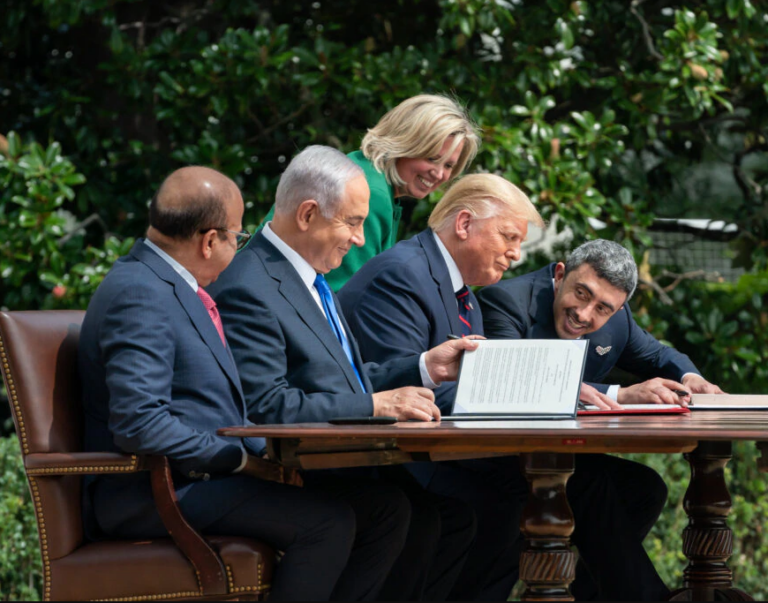
Rather than address state actors as big or small, international relations theory might more profitably think in terms of smart vs. foolish. Two smart states, the UAE and Israel, have the potential to strengthen the Middle East region through their signing of the Abraham Accords. Smart states might constitute an effective form of deterrence—not only with regard to IR revisionism but also to the volatility of this era.  
It is Washington’s strong support for Saudi Arabia’s security needs, clear stance against Iran’s pursuit of regional hegemony, support for Saudi actions in Yemen, and willingness to set aside its criticism of Riyadh’s domestic policies that have allowed for even the possibility of a formal shift in the kingdom’s stance on Israel. But Joe Biden has made clear that if elected, he intends to reverse all those policies. Such changes, along with his preemptive rejection of Israel’s extension of sovereignty to any new territory, would undermine any prospect that exists for normalization between Israel and Saudi Arabia.
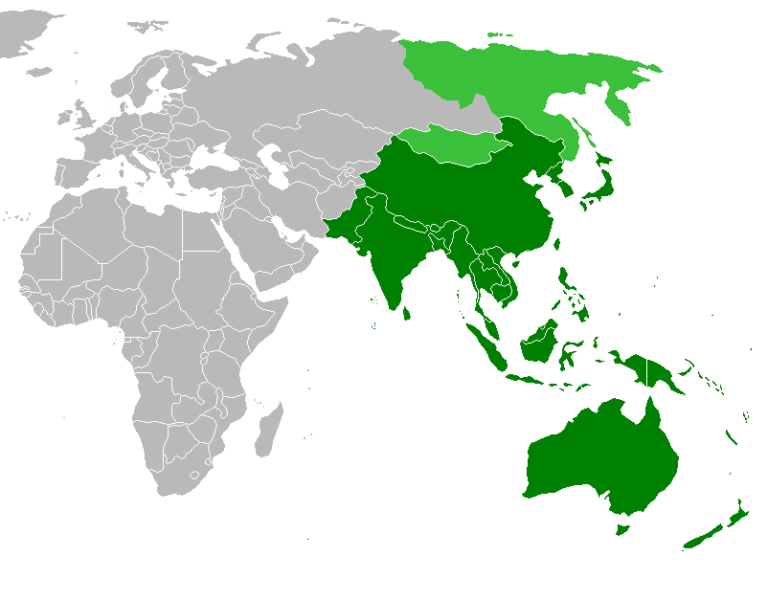
India has initiated a grand strategic shift away from active engagement with China and toward its outright containment. This evolution was long in coming, but recent military clashes in the Himalayas have accelerated the process. India’s emerging strategy undermines the notion of a multipolar world championed by Moscow and Beijing, putting into question the degree to which the liberal world order is in decline.
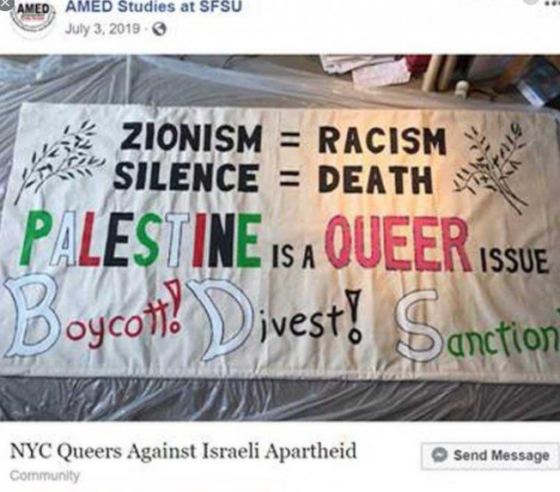
Israel has largely ignored the war of words against it. This includes malicious terms such as “apartheid” and ”occupation,” as well as anti-Israel phrases like “land for peace” and “two-state solution.” The UN’s falsely calling descendants of Palestinians who fled during the 1948 war “refugees” is another example. Well before any new negotiations take place with the Palestinians, the issue of Palestinian incitement as part of their cult of the glorification of genocide and death should be put on the international agenda.
Polls and other social barometers are consistently forecasting that Joe Biden will win the US presidential election on November 3, but it’s too early to be sure. Relatively little attention is being paid to Trump’s track record in foreign affairs, though it might turn out to be a meaningful factor in the election. By taking that element into consideration, it is possible to make a “Devil’s Advocate” case for a Trump victory. The president’s multiple nominations for the 2021 Nobel Peace Prize could have an impact as well.
Peaceful revolution has finally come to the last dictatorship on Russia’s Eastern European periphery. President Alexander Lukashenko of Belarus has become an illegitimate leader due to a rigged election. Facing weeks-long massive public demonstrations, he has appealed to Vladimir Putin for help—but what happens next might be up to Donald Trump.
Despite military and political parleys between India and China to reach an understanding on their border dispute, the situation is careening toward a flashpoint. An estimated 50,000 Chinese PLA troops now control a combined area of about 1,000 square kilometers in India’s eastern Ladakh. India has few options with which to confront China’s unilateral redrawing of the LAC.

Accessibility Toolbar