
Perspectives Papers

Perspectives Papers provide analysis from BESA Center research associates and other outside experts on the most important issues pertaining to Israel and the Middle East.

View Archive

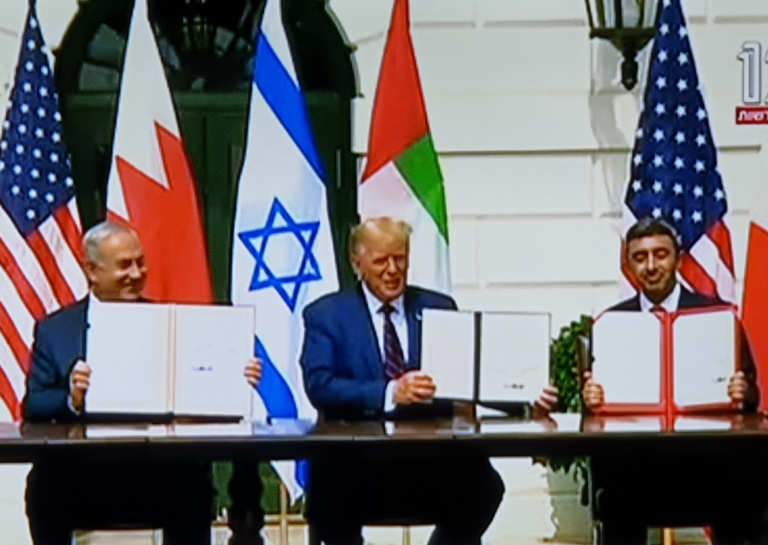
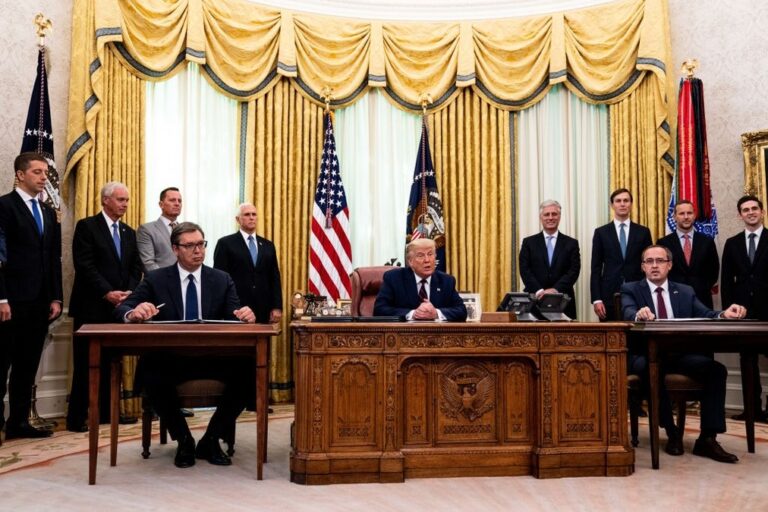
The US-brokered Israel-UAE normalization agreement was swiftly followed by a similar agreement between Serbia and Kosovo, as well as an Israel-Bahrain agreement. The Trump administration has momentum as it continues to work toward a reformulation of formerly combative relationships. The Israel vs. Arab perception is rapidly changing to an Israel-Arab vs. Iran perception, and that dynamic will create further new alliances on both sides.
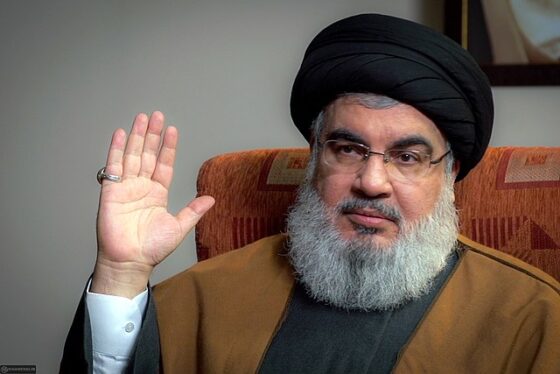
Hezbollah wishes to both maintain and change the status quo vis-à-vis Israel, a circle it is attempting to square by threatening retaliation while simultaneously doing what it can to avoid escalation. This inherent contradiction has left Hezbollah with few viable options, leading to a series of tactical failures and an increased need to deliver some kind of success, however cosmetic. The result is a greater likelihood of inadvertent escalation along Israel’s northern border.
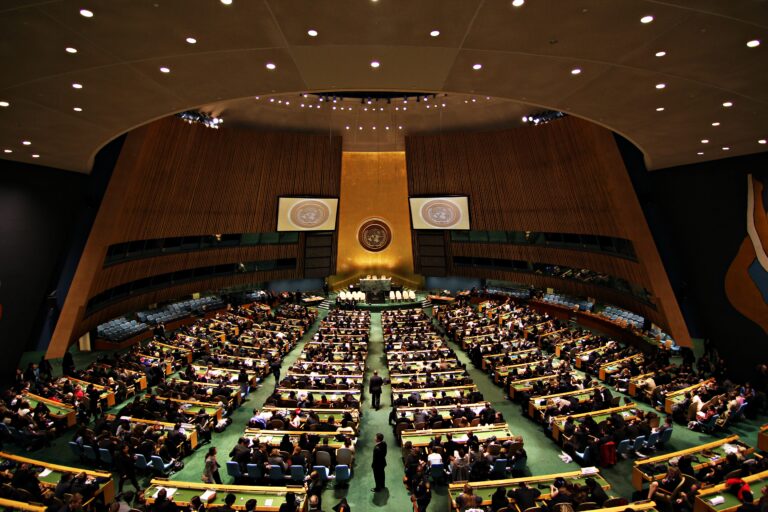
With the opening of the UN General Assembly on September 15, the international body will mark 75 years since its founding. The celebrations will assuredly be accompanied by extensive Western media discourse on the need for the US to return to multilateralism and rely on international institutions for “legitimacy.” However, Western progressive discourse regarding the UN and other international institutions is based upon a myth: that such institutions reflect elevated ideals, objective standards, and a genuine commitment to human rights.
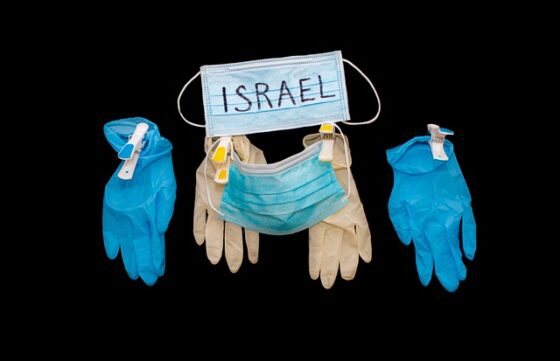
Israel is different from other democracies in two ways: it has moral political values that are set forth in its Basic Laws; and its values are derived from Jewish morality. This means that Israel is not just a democracy; it is a Jewish democracy. The fight against COVID-19 requires difficult decision-making, and those decisions should be based on the country’s moral values. Instead, Israel is acting in contravention of its own moral values. Because those values are contained in its laws, this means the law is being violated as well.   
France’s longstanding diplomatic involvement in Lebanon was intended to promote Lebanese stability, sovereignty, and democracy, but it has failed to achieve any of those goals. As long as Paris continues to consider Hezbollah integral to Lebanon’s democratic life and denies that it is a terrorist organization controlling Lebanon with a private army, its ability to stabilize Lebanon will remain slim to nil.
Normalized relations between Gulf States and Israel function as a deterrent to Iran. Qatar, which favors Iran at its Gulf neighbors’ expense, opposes this trend. Qatar and its Aljazeera mouthpiece must not be allowed to drive a wedge between Israel and its current and prospective peace partners in the Gulf.
Shinzo Abe served four terms as PM of Japan and is the longest-serving PM in the country’s history. On August 28, 2020, he announced his resignation for health reasons. While politicians and pundits debate his legacy, others are focusing on the challenges his successor will face. In addition to reigniting the Japanese economy, the new PM will have to cope with threats and challenges from Washington, Beijing, Seoul, and Pyongyang.
With the door (temporarily?) closed on extending sovereignty to parts of the West Bank, the time has come to return to the logic of what used to be known as “practical Zionism.” Though the modern state of Israel was established as far back as 1948, the controversy between “political” and “practical” Zionism remains as current as it was in the 1930s.  

Accessibility Toolbar