Perspectives Papers

Perspectives Papers provide analysis from BESA Center research associates and other outside experts on the most important issues pertaining to Israel and the Middle East.

View Archive

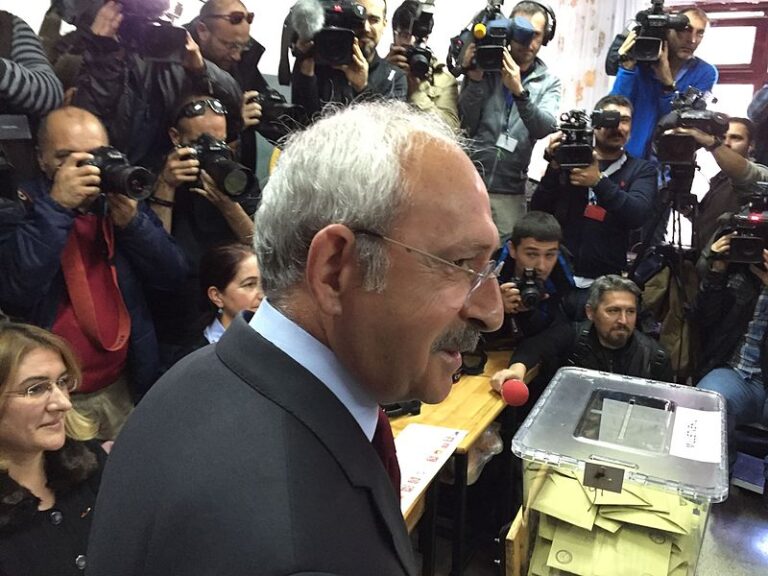
Turkey exhibits a remarkably stubborn selective amnesia about its own history. The country claims the title of world’s greatest friend to the Palestinians and most ardent champion of their cause, yet forgets that the Palestinians assisted both the Armenians and the Kurds in their bloody fights against Turkey.
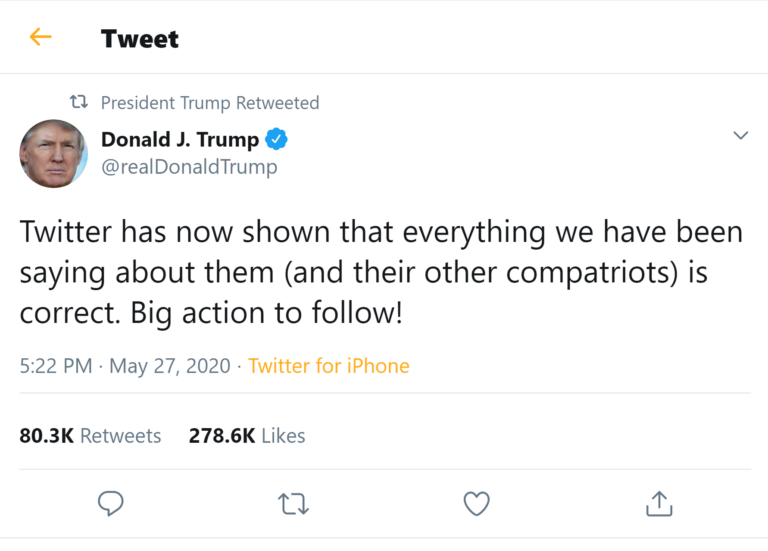
Twitter, which has spent most of Donald Trump’s presidency avoiding a public stand on his use of the medium, has slapped a “public interest notice” on his tweets about the rioting that is occurring in the US in the wake of the violent death in police custody of a black man, George Floyd. According to Twitter, Trump warranted this notice on the grounds that his tweets violate its rules regarding the glorifying of violence. Yet Twitter has nothing to say about the tweets of Iran’s Supreme Leader Ali Khamenei, whose violent posts include hate speech and antisemitism and openly incite rioting and killing. Ted Cruz has called for the launch of a criminal investigation into Twitter’s violation of US sanctions against Iran. 
An important tool in understanding the dynamics of antisemitism is the identification of moments when its boundaries shift. This occurred with the Trump Peace Plan, the antisemitism crisis in the British Labour party, the UN’s first World Conference against Racism, the huge outburst of antisemitism in France in 2000, and the German welcome policy for refugees and asylum seekers.
The coronavirus pandemic and its economic fallout may rewrite the security as well as the political and economic map of the Middle East. The crisis will probably color Gulf attitudes towards the region’s major external players: the US, China, and Russia. Yet the Gulf States are likely to discover that their ability to shape the region’s map has significantly diminished.
In 1992, shortly after the fall of the Soviet Union, both the US and Israel established diplomatic relations with Georgia, which had been freed from the grip of the Soviet bloc and was setting out as an independent state. Between then and now, relations between the states have tightened in all areas: diplomacy, security, and trade.
Opinion polls from all over the world show that most of the public is satisfied with how its leaders have handled the medical aspects of the coronavirus crisis, including the use of location and tracking methods at the price of infringing on privacy. This contrasts to widespread dissatisfaction over the handling of the economic aspects of the crisis and greater concern over its economic than its health implications.
The Islamic Revolution in Iran, which brought Islamists to power for the first time in modern history, pitted the global left—perhaps best personified by Michel Foucault—against the global right. To this day, the global left’s advocacy for Islamism continues to guide the West’s general approach toward the Middle East.
The coronavirus crisis has exposed Arab and Islamic notions of fraternity, mutual commitment, and solidarity as hollow rhetorical slogans. Each country in the region is focused entirely on its own efforts to survive economically, socially, and politically as the pandemic continues to wreak havoc.

Accessibility Toolbar